


American Heart Association says Extreme Heat Exposure linked to Firefighter Heart Attacks
April 11, 2017
American Heart Association Rapid Access Journal Report
 Dallas, TX – Exposure to extreme heat and physical exertion during firefighting may trigger the formation of blood clots and impair blood vessel function, changes associated with increased risk of heart attack, according to new research in the American Heart Association’s journal Circulation.
Cardiovascular events are the leading cause of death among firefighters and are responsible for roughly 45 percent of on-duty firefighter fatalities annually in the United States.
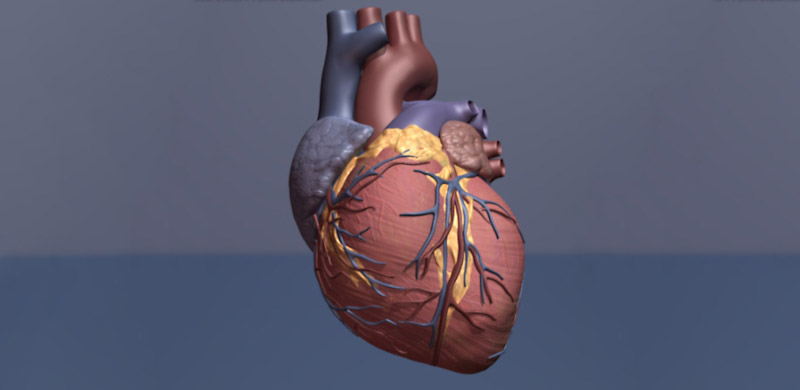
Exposure to extreme heat and physical exertion during firefighting may trigger the formation of blood clots and impair blood vessel function, changes associated with increased risk of heart attack. (American Heart Association)
March 27, 2017
American Heart Association Scientific Statement
Dallas, TX – Improving physical activity among older adults with heart disease benefits their heart health, independence and quality of life, according to a new American Heart Association scientific statement published in the American Heart Association journal Circulation.
Physical activity helps reduce heart disease symptoms for patients with heart failure, heart attacks and stroke, and it also helps to improve the age-related erosions of strength, balance, and reduces frailty that particularly affect older heart patients.
Healthcare providers should emphasize cardiac rehabilitation when appropriate and provide individualized guidance on increasing daily physical activities for older patients with heart disease. (American Heart Association)
American Heart Association says Coffee shops, ATMs may be ideal locations for lifesaving AEDs
March 26, 2017
American Heart Association Rapid Access Journal Report
Dallas, TX – Community coffee shops and automated teller machines, or ATMs, might be ideal locations for public access to automated external defibrillators (AEDs), according to new research in the American Heart Association’s journal Circulation.
An automated external defibrillator (AED) is a computerized medical device that can check a person’s heart rhythm and recognize a rhythm that requires a shock and advise the rescuer when a shock is needed.
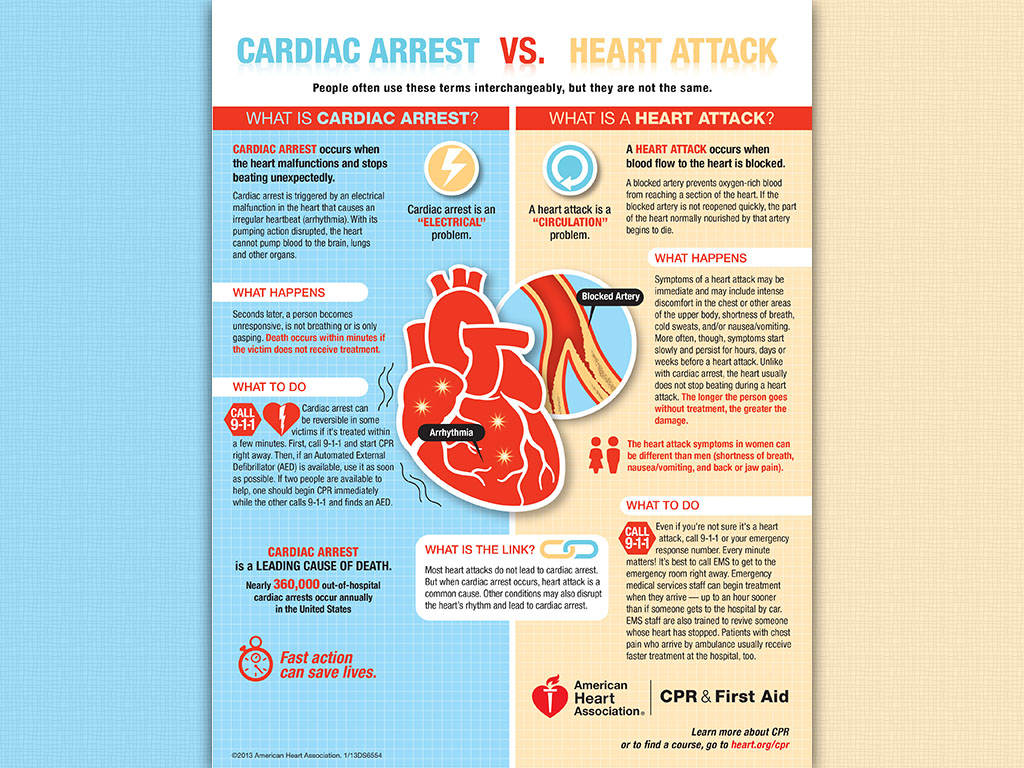
CARDIAC ARREST occurs when the heart malfunctions and stops beating unexpectedly. Cardiac arrest is an “ELECTRICAL” problem. A HEART ATTACK occurs when blood flow to the heart is blocked. A heart attack is a “CIRCULATION” problem. A blocked artery prevents oxygen-rich blood from reaching a section of the heart. If the blocked artery is not reopened quickly, the part of the heart normally nourished by that artery begins to die. (American Heart Association)
American Heart Association says Pacemaker function may be impacted by Electric Appliances; Tools
March 8, 2017
American Heart Association Rapid Access Journal Report
Dallas, TX – Electric and magnetic fields (EMF) generated from everyday household appliances, electrical tools and more, used in very close proximity to the body, can interfere with the ability of pacemakers to regulate patients’ heartbeats, according to new research in the American Heart Association’s journal Circulation.
“Electromagnetic interferences with pacemakers in everyday life can occur, however, harmful interferences are rare using vendors’ recommended device settings,” said Andreas Napp, M.D., study author and cardiologist at RWTH Aachen University Hospital in Aachen, Germany. “Dedicated device programming is an effective measure to reduce the individual risk of interference. For example, doctors can reprogram pacemakers to a lower sensitivity to reduce EMF susceptibility.”
Electric and magnetic fields generated from everyday household appliances, electrical tools and more, used in very close proximity to the body, can interfere with the ability of pacemakers to regulate patients’ heartbeats. (American Heart Association)
American Heart Association says Caregivers of Black Stroke Survivors spend more time; but report more positive outlook
March 2, 2017
American Heart Association Rapid Access Journal Report
Dallas, TX – Despite providing more hours of care, caregivers of black stroke survivors reported a more positive perception of caregiving than caregivers of white stroke survivors, according to new research in Circulation: Cardiovascular Quality and Outcomes, an American Heart Association journal.
The study found black stroke survivors received an average of 11 more hours of care than white stroke survivors. There was little difference in the unmet needs of the black and white stroke survivors.
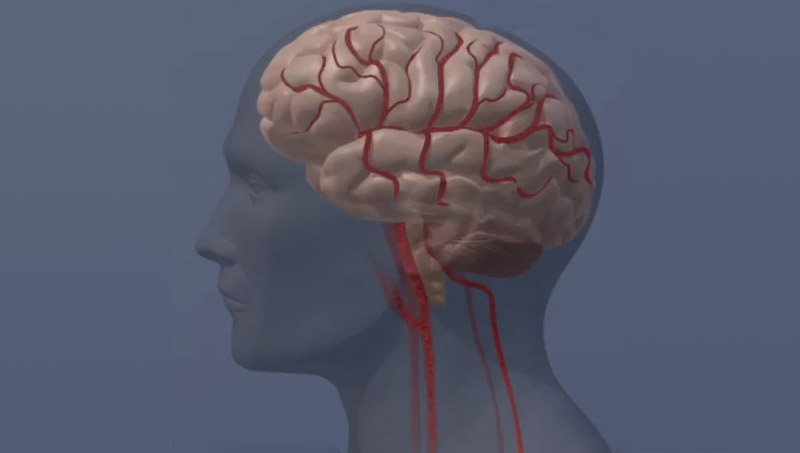
Black stroke survivors were more likely to have a caregiver and received more hours of help per week. (American Heart Association)
American Heart Association says Women with Mild Heart Blockage report Poorer Health, more Anxiety and Negativity than Men
February 28, 2017
American Heart Association Rapid Access Journal Report
Dallas, TX – Women with mild blockage of coronary arteries report poorer health, more anxiety and a more negative outlook than men with the same condition, according to new research in the American Heart Association’s journal Circulation: Cardiovascular Quality and Outcomes.
In general, people with non-obstructive coronary artery disease report more anxiety, depression and a negative outlook, what physicians refer to as psychosocial distress, than the general population. Prior to this study, gender disparity had not been investigated.

F.A.S.T. infographic with stroke warning signs: Face drooping, Arm weakness, Speech difficulty, Time to call 9-1-1. Strokeassociation.org (American Heart Association)
American Heart Association says Shock from Heart Device often triggers further Health Care needs
February 21, 2017
American Heart Association Rapid Access Journal Report
Dallas, TX – A shock from an implantable cardioverter defibrillator (ICD) may trigger an increase in health care needs for many people, regardless whether the shock was medically necessary, according to a new study published in Circulation: Cardiovascular Quality and Outcomes, an American Heart Association journal.
ICDs save people from sudden cardiac death by delivering a shock to restore a normal rhythm when the lower chambers of their heart, or ventricles, beat erratically.
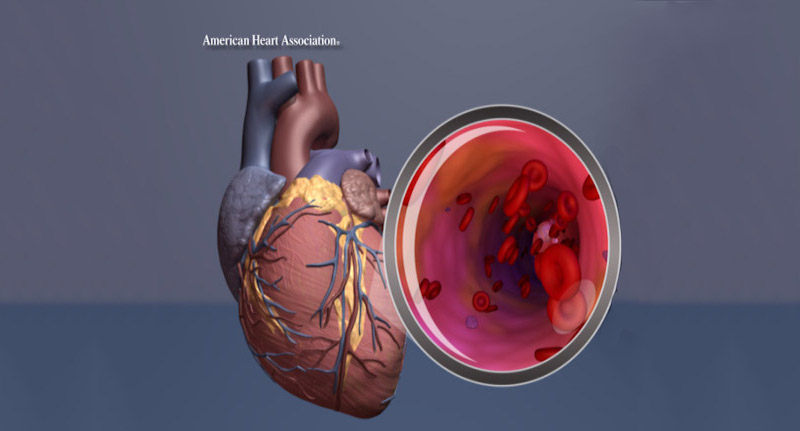
Heart illustration with artery close up. (American Heart Association)
American Heart Association says Pregnancy and heart disease research highlighted in special Women’s-Focus Journal Issue
February 4, 2017
American Heart Association Rapid Access Journal Report
Dallas, TX – Experiencing multiple pregnancies increases a woman’s risk of developing atrial fibrillation later in life, according to new research in the American Heart Association’s journal Circulation, which includes the inaugural Go Red for Women issue.
Atrial fibrillation is an irregular heartbeat that can lead to blood clots, stroke, heart failure and other heart-related complications.
Meal planning, timing, may impact heart health according to American Heart Association
January 31, 2017
American Heart Association Scientific Statement
Dallas, TX – Planning when to eat meals and snacks and not skipping breakfast, are patterns associated with healthier diets, which could reduce cardiovascular disease risk, according to a new scientific statement published in the American Heart Association journal Circulation.
The statement provides a snapshot of the current scientific evidence suggesting when and how often people eat may impact risk factors for heart attack, stroke, or other cardiac or blood vessel diseases.

Planning and timing meals and snacks, such as not skipping breakfast and allocating more calories earlier in the day, might help reduce cardiovascular disease risk. (American Heart Association)
American Heart Association reports Clinic Readings may underestimate Blood Pressure during Daily Activities
December 6, 2016
American Heart Association Rapid Access Journal Report
 Dallas, TX – Around the clock monitoring during daily activity revealed masked, or undetected, high blood pressure among otherwise healthy adults who had normal readings in the clinic, according to new research in the American Heart Association’s journal Circulation.
The reverse of “white coat hypertension” (higher blood pressure readings at the doctor’s office than outside the clinic setting), “masked hypertension” is normal blood pressure in the doctor’s office but high readings outside of the office.
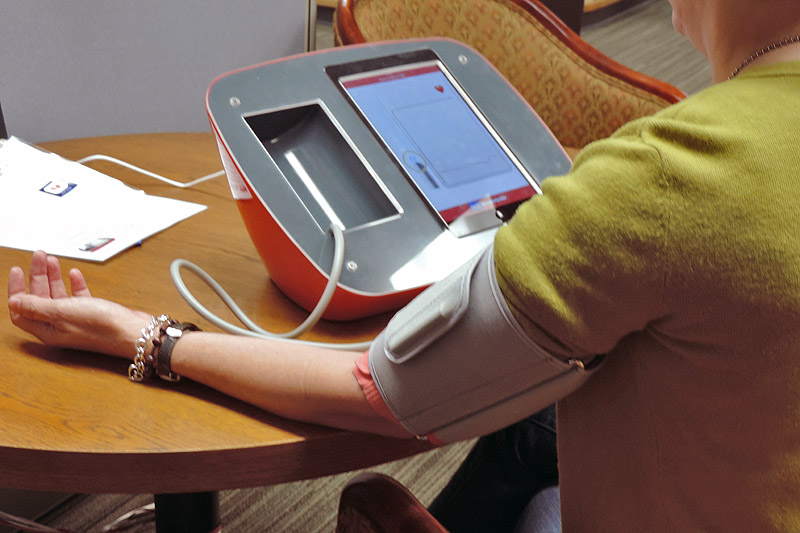
Healthcare providers should be aware that normal blood-pressure tests in the clinic may not rule out high blood pressure among otherwise healthy patients. (American Heart Association)


