Quitting Daily Aspirin Therapy may increase second Heart Attack, Stroke Risk
October 5, 2017
Circulation Journal Report
 Dallas, TX – Stopping long-term, low-dose aspirin therapy may increase your risk of suffering a cardiovascular event, according to new research in the American Heart Association’s journal Circulation.
Aspirin, taken in low doses, is used to help reduce the risk for recurrent heart attack or stroke. Aspirin inhibits clotting, lowering the risk of cardiovascular events. Nearly 10 to 20 percent of heart attack survivors stop daily aspirin use within the first three years following their event.
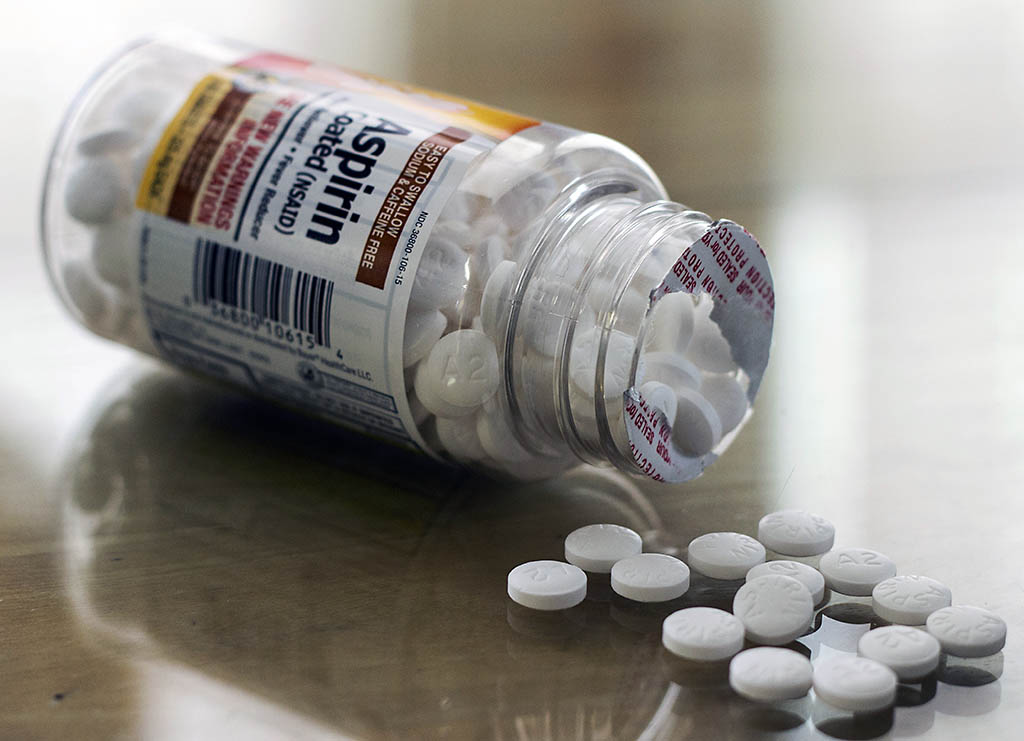
Risk increases shortly after stopping aspirin therapy and does not appear to diminish over time. (American Heart Association)
Can height increase risk for blood clots in veins?
September 16, 2017
Circulation: Cardiovascular Genetics Journal Report
Dallas, TX – The taller you are, the more likely you may be to develop blood clots in the veins, according to new research in the American Heart Association journal Circulation: Cardiovascular Genetics.
In a study of more than two million Swedish siblings, researchers found that the risk of venous thromboembolism – a type of blood clot that starts in a vein – was associated with height, with the lowest risk being in shorter participants.

Risk of blood clots in the veins was associated with height, with the lowest risk in participants who were five feet tall or shorter. (American Heart Association)
Low-income patients more likely to take blood pressure medication when doctor involves them in conversation
August 29, 2017
Circulation: Quality and Outcomes Report
Dallas, TX – The key to getting low-income patients to take their blood pressure medications as prescribed may be as simple as a conversation.
Low-income patients with high blood pressure were less likely to take their medications as directed when their healthcare providers did not use a collaborative communication style or ask them about social issues such as employment, housing and partner relationships, according to new research in the American Heart Association’s journal Circulation: Quality and Outcomes.
Low-income patients with high blood pressure whose healthcare providers did not use collaborative communication styles or ask about social issues, such as employment and housing, were less likely to take their blood pressure medications as directed. (American Heart Association)
Fluctuations in home-monitored Blood Pressure may raise Dementia risk
August 17, 2017
Circulation Journal Report
Dallas, TX – Whether or not you have high blood pressure, your risk of dementia may be higher if your pressure varies a lot from day to day, according to new research in the American Heart Association’s journal Circulation.
“Home monitoring of blood pressure may be useful to assess the future risk of dementia,” said lead study author Tomoyuki Ohara, M.D., Ph.D., an assistant professor of neuropsychiatry at the Graduate School of Medical Sciences at Kyushu University in Fukuoka City, Japan.
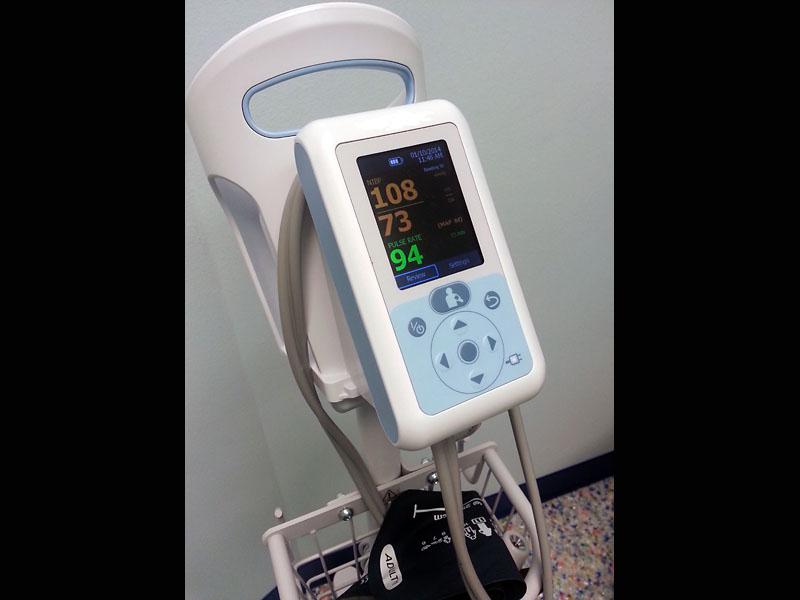
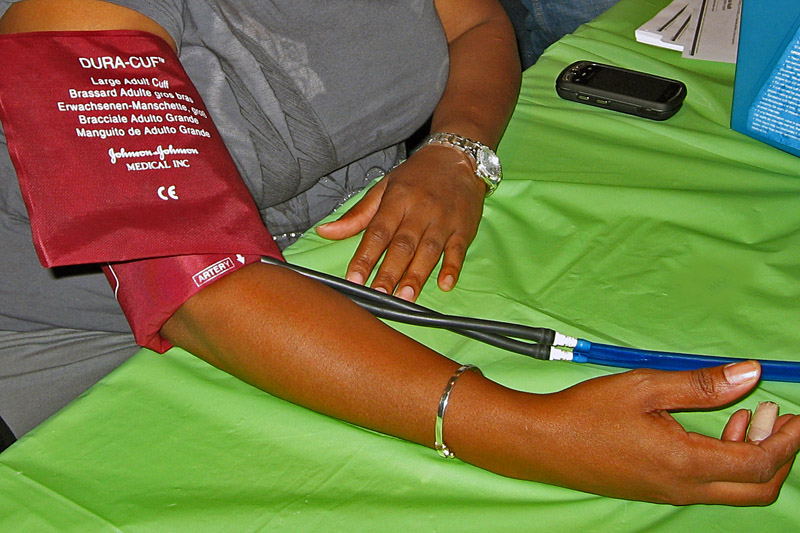
Blood pressure cuff. (American Heart Association)
Blacks suffer higher rates of fatal first-time Heart Attacks than Whites
July 11, 2017
American Heart Association Rapid Access Journal Report
Dallas, TX – Black men may have similar risk of coronary heart disease as white men, but their first cardiac event is twice as likely to be fatal. That means preventing a first heart attack is even more crucial for blacks, according to research findings reported in the American Heart Association’s journal Circulation.
In an analysis that examined cardiac events in three major heart studies, researchers found that in two of these studies, black adults aged 45-64 have about twice the risk of fatal events compared with whites.

Hospitalizations for Heart Failure on the decline; disparities remain for Blacks and Men
June 28, 2017
American Heart Association Rapid Access Journal
Dallas, TX – The number of people hospitalized for heart failure in the United States declined about 30 percent between 2002 and 2013, but large disparities between blacks vs. whites and men vs. women remain, according to new research in Circulation: Cardiovascular Quality and Outcomes, an American Heart Association journal.

Heart failure hospitalizations in the United States have declined overall but remain significantly higher among blacks. While still hospitalized more than whites, the disparity narrowed between Hispanics and whites. (American Heart Association)
Four-year follow-up confirms that participation in competitive sports may be okay for many athletes with implanted cardioverter defibrillators
June 10, 2017
American Heart Association Rapid Access Journal Report
Dallas, TX – A four-year study of athletes with implantable defibrillators confirms an earlier short-term study’s findings that competitive sports may be considered for many of these athletes, according to new research in the American Heart Association’s journal Circulation.
An implantable cardioverter defibrillator (ICD) is a battery-powered device placed under the skin that tracks the heart rate and delivers an electric shock when it detects a type of abnormal heart rhythm called an arrhythmia.

ICD patients should talk to their doctors about their individual risks of participating in competitive sports.
American Heart Association says Chronic Anabolic Steroid use may damage Heart, Arteries
June 1, 2017
American Heart Association Rapid Access Journal Report
Dallas, TX – Long-term anabolic-androgenic steroid use may reduce the heart’s ability to pump blood throughout the body, according to new research in the American Heart Association’s journal Circulation.
In addition, long-term anabolic-androgenic steroid use damages the heart muscle’s ability to relax and may cause atherosclerotic coronary artery disease.
Anabolic-androgenic steroids mimic naturally occurring testosterone, a muscle-building hormone that promotes male sexual characteristics.
Hardening of the arteries is associated with long-term anabolic steroid use. (American Heart Association)
American Heart Association says Kicking the Salt Shaker habit may not be enough
May 18, 2017
American Heart Association Rapid Access Journal Report
Dallas, TX – Restaurant foods and commercially processed foods sold in stores accounted for about 70 percent of dietary sodium intake in a study in three U.S. regions, according to new research in the American Heart Association’s journal Circulation.
Sodium is an important contributor to high blood pressure, one of the leading causes of heart attack and stroke. The American Heart Association recommends a maximum of 2,300 milligrams (mg) of sodium a day, which is equivalent to 1 teaspoon of salt.
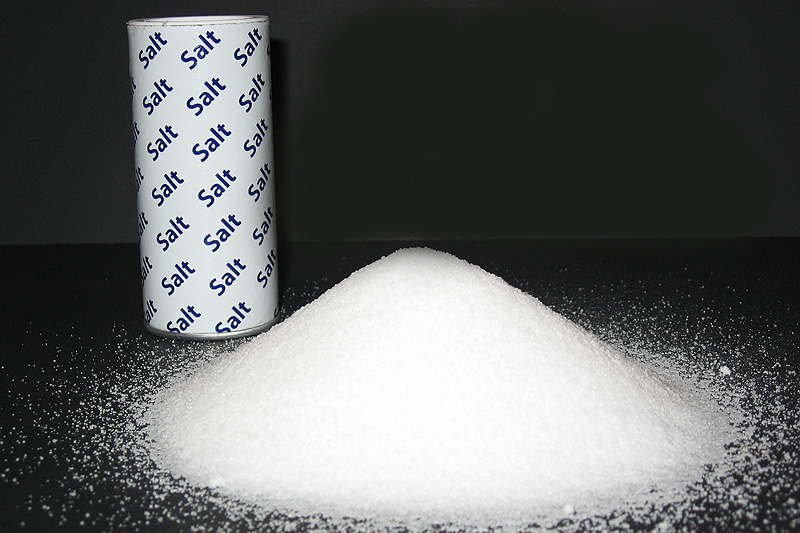
Salt added at home during food preparation or at the table accounted for a small fraction of dietary sodium. (Copyright American Heart Association)
American Heart Association says Golden Years are longer and healthier for those with Good Heart Health in Middle Age
May 11, 2017
American Heart Association Rapid Access Journal Report
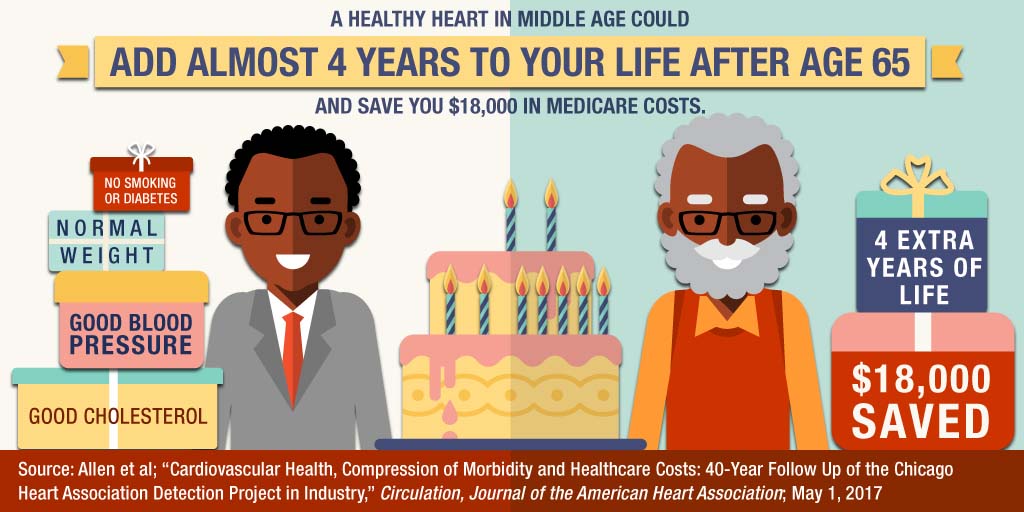
Dallas, TX – People with no major heart disease risk factors in middle age live longer and stay healthy far longer than others, according to a 40-year study reported in the American Heart Association’s journal Circulation.
“Good cardiovascular health in middle age delays the onset of many types of disease so that people live longer and spend a much smaller proportion of their lives with chronic illness,” said Norrina Allen, Ph.D., M.P.H., assistant professor of preventive medicine at Northwestern University Feinberg School of Medicine in Chicago.