


American Heart Association says New Peripheral Artery Disease Guidelines emphasize Medical Therapy and Structured Exercise
November 15, 2016
American Heart Association/American College of Cardiology Clinical Practice Guideline
 Dallas, TX – New guidelines for the treatment of peripheral artery disease (PAD), include recommendations on the use of antiplatelet therapy to reduce the risk of blood clots and statin drugs to lower cholesterol and advise PAD patients to participate in a structured exercise program.
The joint American Heart Association/American College of Cardiology guidelines are published in the American Heart Association journal Circulation and the Journal of the American College of Cardiology.
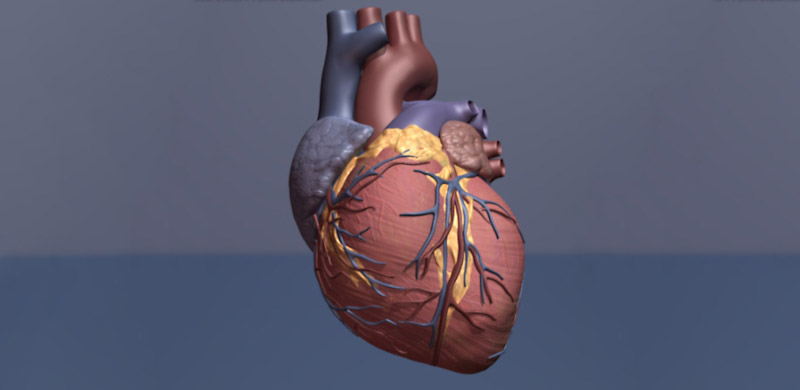
Eliminating exposure to all tobacco – including second-hand smoke – is highly recommended for patients with PAD. (American Heart Association)
American Heart Association reports Recreational, Commuter Biking linked to Lower Cardiovascular Disease Risk
November 2, 2016
American Heart Association Rapid Access Journal Report
Dallas, TX – People who bike regularly, either for pleasure or as a way to commute, appear to have a lower risk of cardiovascular disease, according to two separate studies published simultaneously in the American Heart Association’s journal Circulation and Journal of the American Heart Association, the AHA/ASA’s Open Access Journal.
While structured cycling as part of a formal workout routine is already known to guard against cardiovascular illness, little is known about the effects of habitual biking done for leisure or as a way to commute.

People who bike regularly, either recreationally or as a way to commute, appear to have a lower risk of cardiovascular illness, according to studies conducted in Denmark and Sweden.
American Heart Association says Taking Meds after Heart Procedures may boost trouble-free Survival Rate
October 25, 2016
American Heart Association Rapid Access Journal Report
Dallas, TX – Medications matter, but if you are a heart patient who doesn’t take them as prescribed you may have a lower trouble-free survival rate and heart bypass surgery may be more beneficial than percutaneous coronary interventions (PCI or stenting), according to new research in the American Heart Association’s journal Circulation.
Coronary artery bypass surgery redirects blood flow to the heart around clogged heart arteries.

Heart bypass patients appeared to be more resistant than PCI patients to the negative effects of not taking prescribed medication. (American Heart Association)
Short episodes of Abnormal Heart Rhythm may not increase Risk of Stroke
October 18, 2016
American Heart Association Rapid Access Journal Report
Dallas, TX – People with pacemakers or defibrillators who experience only short episodes of an abnormal heart rhythm known as atrial fibrillation have a very low risk of stroke, suggesting that anticoagulants in this group of patients were not likely to reduce the risk for stroke, according to new research in the American Heart Association’s journal Circulation.
Atrial fibrillation is the most common abnormal heart rhythm, affecting approximately 2.7 million Americans.
People with pacemakers or defibrillators who experience short episodes an abnormal heart rhythm called atrial fibrillation have no higher risk for stroke or other medical complications than people without documented atrial fibrillation. (American Heart Association)
Emotional Upset and Heavy Exertion may trigger a Heart Attack
October 11, 2016
American Heart Association Rapid Access Journal Report
Dallas, TX – Being angry, emotionally upset or engaging in heavy physical exertion may trigger a heart attack, according to new research in the American Heart Association’s journal Circulation.
In a large international study, researchers found an association (more than twice the risk) between anger or emotional upset and the onset of heart attack symptoms within one hour. The same was true for heavy physical exertion during the hour before their first heart attack.
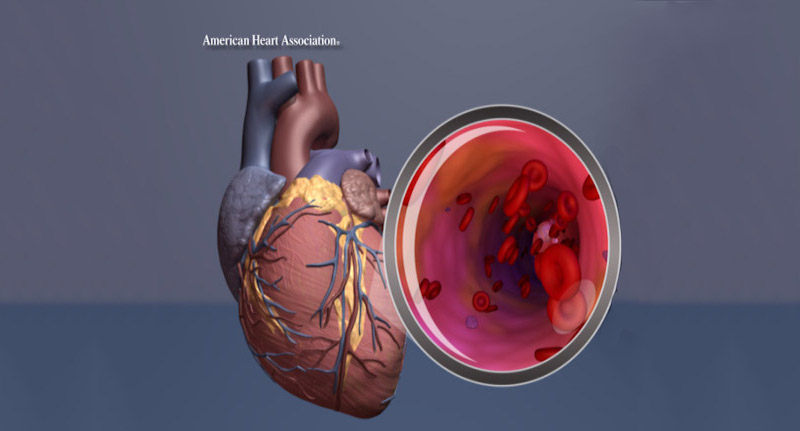
Being angry or emotionally upset while engaging in heavy physical exertion appears to triple heart attack risk. (American Heart Association)
American Heart Association says Smoking leaves historical “footprint” in DNA
September 27, 2016
American Heart Association Rapid Access Journal Report
Dallas, TX – Smoking leaves its “footprint” on the human genome in the form of DNA methylation, a process by which cells control gene activity, according to new research in Circulation: Cardiovascular Genetics, an American Heart Association journal.
The new findings suggest that DNA methylation could be an important sign that reveals an individual’s smoking history, and could provide researchers with potential targets for new therapies.

Smoking has a very broad, long-lasting impact on the human genome. (American Heart Association)
Sleep disorders may influence heart disease risk factors says American Heart Association
September 26, 2016
American Heart Association Scientific Statement
Dallas, TX – Sleep problems including sleeping too little or too long, may be linked to a variety of factors that may raise the risk for cardiovascular diseases, according to a new American Heart Association scientific statement published in the American Heart Association journal Circulation.
The first statement by the American Heart Association on sleep and heart health outlines what we currently know about sleep irregularities and cardiovascular-related risk factors, including obesity, Type 2 diabetes, heart disease and atherosclerosis, arrhythmias, high blood pressure, stroke, unhealthy levels of triglycerides and cholesterol.

Research linking sleep problems to obesity and diabetes is robust, but longer studies measuring impact on actual weight are needed. (American Heart Association)
American Heart Association says Smoking may lead to Heart Failure by thickening the Heart Wall
September 16, 2016
Circulation: Cardiovascular Imaging Journal Report
Dallas, TX – Smoking is associated with thicker heart walls and reduction in the heart’s pumping ability, two factors associated with increased risk of heart failure, according to new research in the American Heart Association’s journal Circulation: Cardiovascular Imaging.
The study, conducted in participants of average age 75.7 and no obvious signs of cardiovascular disease, also found that higher rates of cumulative cigarette exposure — measure of how much and how long people have smoked during their lifetime — were associated with greater heart damage.
The longer and more cigarettes people smoked, the greater the damage to their hearts’ structure and function.
American Heart Association says Kids need to be Protected from toxic Secondhand Smoke
September 15, 2016
American Heart Association Scientific Statement
Dallas, TX – Parents and policy advocates should take a “zero tolerance” approach to exposing children to secondhand cigarette smoke, which can be responsible for lifelong cardiovascular consequences in addition to respiratory and other health issues, according to a new scientific statement published in the American Heart Association journal Circulation.

American Heart Association says Kids need to be Protected from toxic Secondhand Smoke. (American Heart Association)
Younger heart attack survivors may face premature heart disease death according to American Heart Association
September 2, 2016
American Heart Association Rapid Access Journal Report
Dallas, TX – For patients age 50 and younger, the risk of premature death after a heart attack has dropped significantly, but their risk is still almost twice as high when compared to the general population, largely due to heart disease and other smoking-related diseases, according to new research in Circulation: Cardiovascular Quality and Outcomes, an American Heart Association journal.
Heart illustration with artery close up. (American Heart Association)


