American Heart Association says Genetically inherited High Cholesterol increases long-term risks of Coronary Heart Disease and Stroke
July 2, 2016
American Heart Association Rapid Access Journal Report
 Dallas, TX – Patients who experience high cholesterol due to an inherited genetic disorder from one of their parents—heterozygous familial hypercholesterolemia— are much more likely than those with average cholesterol levels to have diseases caused by hardening of the arteries, including an accelerated onset of coronary heart disease by up to 30 years, according to new research in the American Heart Association journal Circulation.
The inherited form of high cholesterol—familial hypercholesterolemia—is a genetic disorder that is passed down through families.

Prepping the patient to draw blood for a cholesterol test. (American Heart Association)
American Heart Association says Prehypertension during Pregnancy could lead to Cardiovascular Risks
June 28, 2016
American Heart Association Rapid Access Journal Report
Dallas, TX – Pregnant women who experience persistent blood pressure elevations in the upper ranges of normal may be at high risk of developing metabolic syndrome and increased cardiovascular risk after giving birth, according to research published in the American Heart Association’s journal Hypertension.
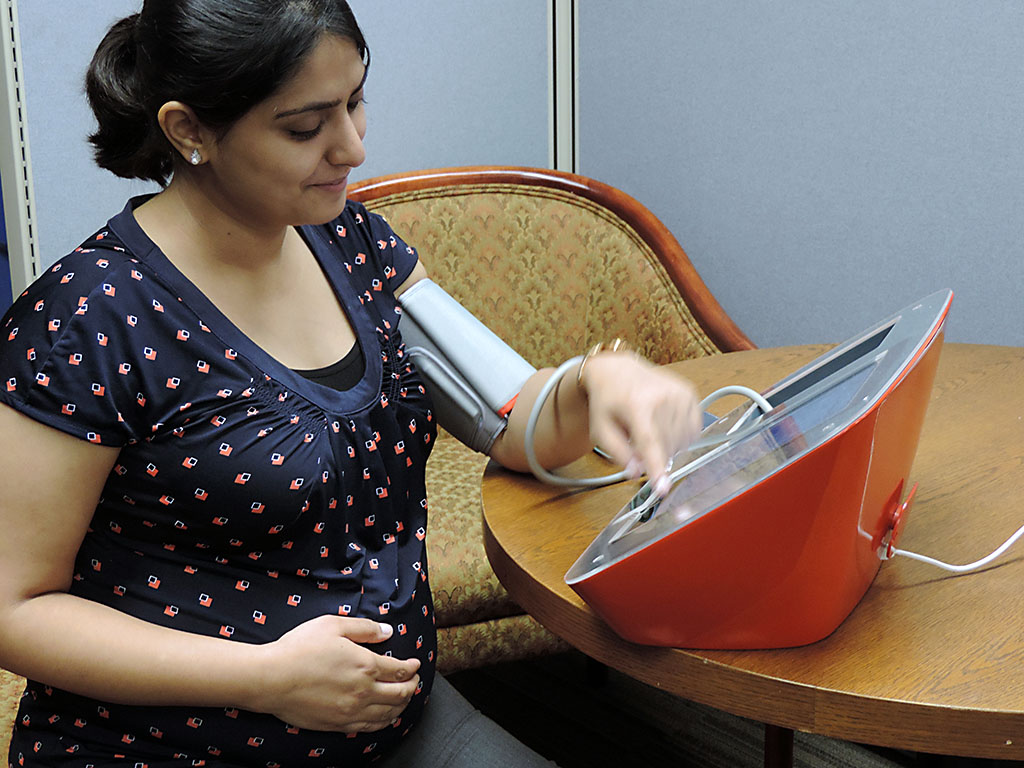
Pregnant women who experience even subtle blood pressure elevations in the upper ranges of what is considered “normal” blood pressure appear more likely to develop metabolic syndrome after giving birth. (American Heart Association)
Eating more Whole Grains linked with Lower Risk of Death
June 14, 2016
American Heart Association Journal Report
Dallas, TX – Eating at least three servings of whole grains every day could lower your risk of death, according to new research in the American Heart Association’s journal Circulation.
Although dietary guidelines around the world have included whole grains as an essential component of healthy eating patterns, people aren’t eating enough, according to the analysis. In the United States average consumption remains below one serving a day, despite the long-time recommendation of three servings a day.

Eating at least three servings of whole grains a day was associated with lower risk of death from cardiovascular disease, cancer and all causes in an analysis of nutrition studies. (American Heart Association)
American Heart Association says Weight loss surgery boosts good Cholesterol in obese Teen Boys
May 7, 2016
American Heart Association Meeting Report
Nashville, TN – Weight loss surgery boosts the level of HDL “good” cholesterol and also improves its heart-protecting actions in severely obese teens, according to preliminary research presented at the American Heart Association’s Arteriosclerosis, Thrombosis and Vascular Biology | Peripheral Vascular Disease 2016 Scientific Sessions.
“We already knew that weight loss surgery improves weight and cholesterol numbers. This new research shows that there are actually changes in the way HDL functions in adolescents, which may lead to a reduction in long-term cardiovascular risk,” said pediatric endocrinologist Amy S. Shah, M.D., lead author of the study and assistant professor of pediatrics at the Cincinnati Children’s Hospital in Ohio.

Amy S. Shah, M.D., professor of pediatrics at the Cincinnati Children’s Hospital in Ohio. (Cincinnati Children’s Hospital Medical Center)
American Heart Association reports Factors associated with good Heart Health may also protect Kidneys
April 10, 2016
American Heart Association Rapid Access Journal Report
Dallas, TX – Achieving the American Heart Association’s definition of ideal cardiovascular health may also help prevent chronic kidney disease, according to new research in the Journal of the American Heart Association.
Life’s Simple 7 are the ideal cardiovascular health factors/goals that include healthy blood pressure, cholesterol, blood sugar, diet, body weight, enough physical activity and not smoking.

Casey M. Rebholz, PhD, MS, MPH; Assistant Professor, Department of Epidemiology, Johns Hopkins Bloomberg School of Public Health. (Fred Dubs/American Heart Association)
Statin use differs among Hispanic Adults at risk for Heart Disease
April 4, 2016
American Heart Association Rapid Access Journal Report
Dallas, TX – In the United States, adults of different Hispanic/Latino backgrounds, at high risk for heart disease, varied significantly in their use of widely-prescribed cholesterol-lowering medications known as statins, according to new research in the Journal of the American Heart Association. The difference was based on whether or not they had health insurance.
“These findings have important implications for preventing disparities in cardiovascular outcomes within the growing U.S. Hispanic/Latino population,” said study lead author Dima M. Qato, Pharm.D., M.P.H., Ph.D., assistant professor of pharmacy systems, outcomes and policy at the University of Illinois in Chicago.
Prepping the patient to draw blood for a cholesterol test. (American Heart Association)
American Heart Association says Genetically inherited High Cholesterol twice as common as believed
March 15, 2016
American Heart Association Rapid Access Journal Report
Dallas, TX – Genetically inherited high levels of cholesterol are twice as common in the United States as previously believed, affecting 1 in 250 adults, according to new research in the American Heart Association’s journal Circulation.
The condition, familial hypercholesterolemia (FH), leads to severely elevated cholesterol levels from birth and is a leading cause of early heart attack.
Prepping the patient to draw blood for a cholesterol test. (American Heart Association)
Cardiovascular risk profile linked to profession in Older Workers
March 3, 2016
American Heart Association Meeting Report
Phoenix, AZ – Workers age 45 and older in sales, office-support or service occupations appear to have more risk factors for heart disease and stroke than workers in management or professional jobs, according to research presented at the American Heart Association’s Epidemiology/Lifestyle 2016 meeting.

Sales, office and administrative support employees: Sixty-eight percent had poor eating habits and 69 percent of sales employees did not have ideal total cholesterol and 82 percent of office and administrative support workers did not have ideal scores for physical activity. (American Heart Association)
American Heart Association says Eating Healthier Fats could reduce Heart Disease Deaths Worldwide
January 24, 2016
American Heart Association Rapid Access Journal Report
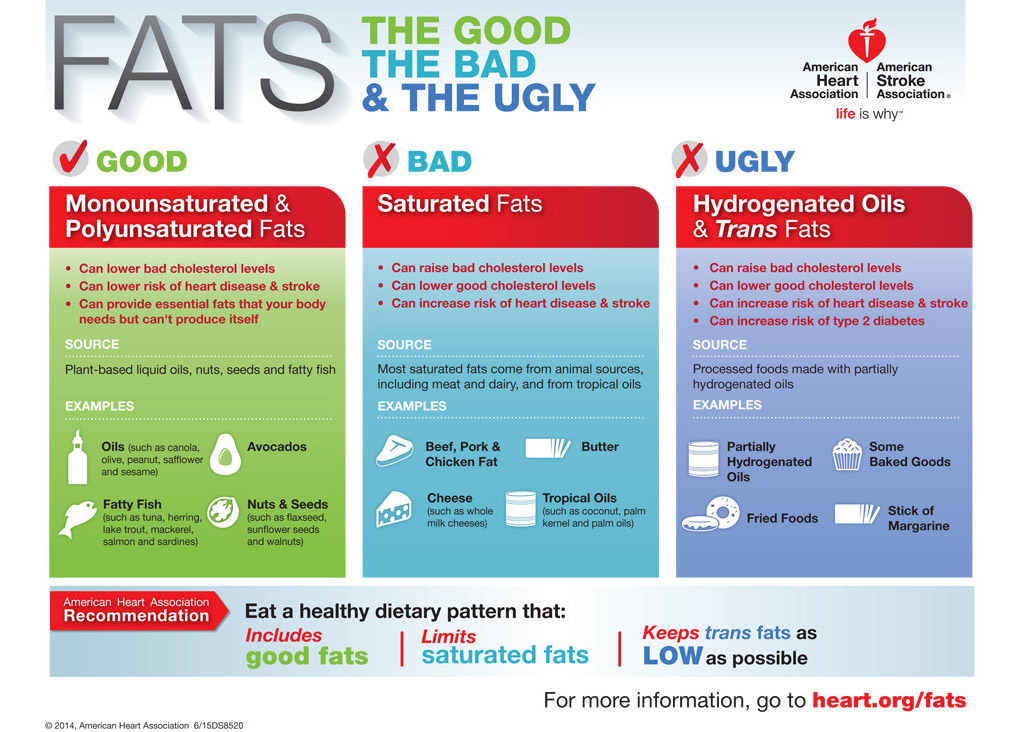
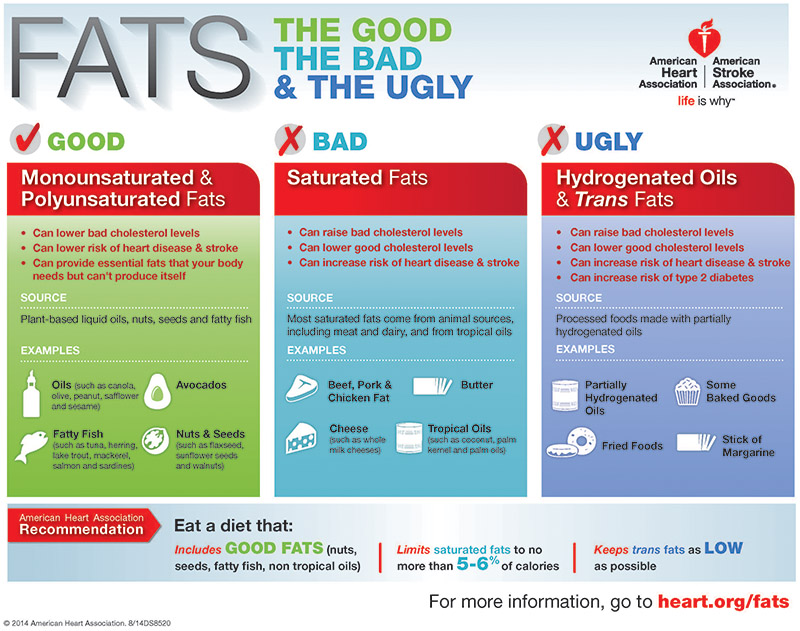
Dallas, TX – Eating healthier fats could save more than a million people internationally from dying from heart disease, and the types of diet changes needed differ greatly between countries, according to new research in Journal of the American Heart Association.
“Worldwide, policymakers are focused on reducing saturated fats. Yet, we found there would be a much bigger impact on heart disease deaths if the priority was to increase the consumption of polyunsaturated fats as a replacement for saturated fats and refined carbohydrates, as well as to reduce trans fats,” said Dariush Mozaffarian, M.D., Dr.P.H., senior study author and dean of the Tufts Friedman School of Nutrition Science & Policy in Boston.
American Heart Association Says New Dietary Guidelines Will Help Establish a Healthier Roadmap for Americans
January 9, 2016
Dallas, TX – The American Heart Association (AHA) applauds the Departments of Health and Human Services (HHS) and Agriculture (USDA) on the release of the 2015 Dietary Guidelines for Americans.
“The new federal dietary guidelines give Americans more flexibility in their diets without sacrificing their health. By providing a valuable source of nutrition information, the standards are part of a roadmap to help build a ‘culture of health’ in America. This healthier culture will help reduce our risk for heart disease and stroke – the two leading causes of death in the world,” said Mark Creager, M.D., president of the American Heart Association.