


American Heart Association says Chronic Anabolic Steroid use may damage Heart, Arteries
June 1, 2017
American Heart Association Rapid Access Journal Report
 Dallas, TX – Long-term anabolic-androgenic steroid use may reduce the heart’s ability to pump blood throughout the body, according to new research in the American Heart Association’s journal Circulation.
In addition, long-term anabolic-androgenic steroid use damages the heart muscle’s ability to relax and may cause atherosclerotic coronary artery disease.
Anabolic-androgenic steroids mimic naturally occurring testosterone, a muscle-building hormone that promotes male sexual characteristics.
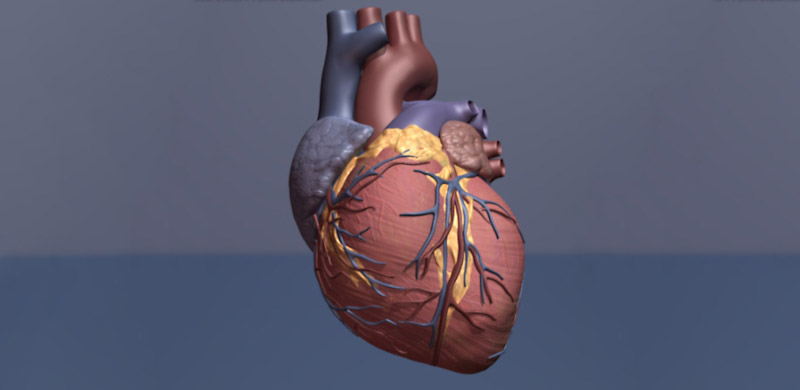
Hardening of the arteries is associated with long-term anabolic steroid use. (American Heart Association)
American Heart Association says Golden Years are longer and healthier for those with Good Heart Health in Middle Age
May 11, 2017
American Heart Association Rapid Access Journal Report
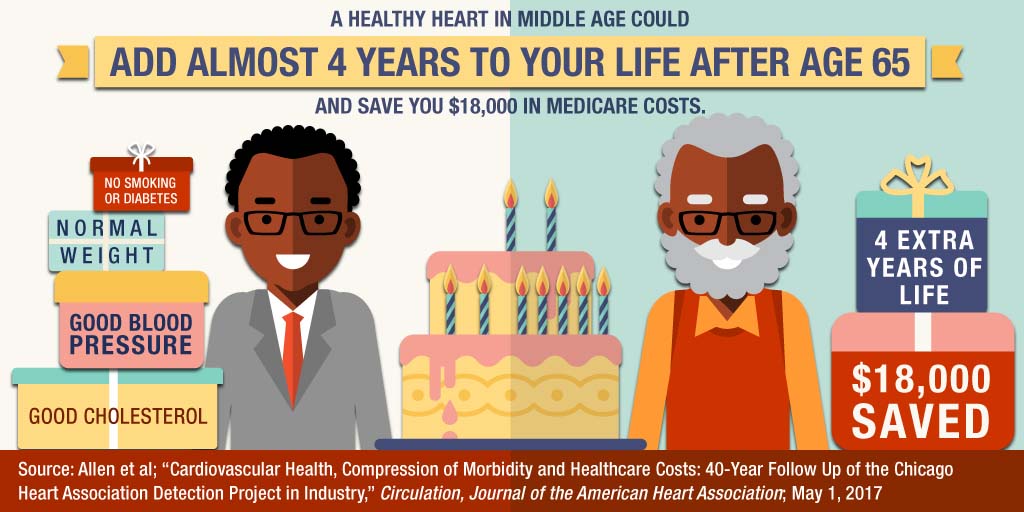
Dallas, TX – People with no major heart disease risk factors in middle age live longer and stay healthy far longer than others, according to a 40-year study reported in the American Heart Association’s journal Circulation.
“Good cardiovascular health in middle age delays the onset of many types of disease so that people live longer and spend a much smaller proportion of their lives with chronic illness,” said Norrina Allen, Ph.D., M.P.H., assistant professor of preventive medicine at Northwestern University Feinberg School of Medicine in Chicago.
American Heart Association says “Bad” air may impact “Good” Cholesterol increasing Heart Disease Risk
April 16, 2017
Arteriosclerosis, Thrombosis, and Vascular Biology Journal Report
Dallas, TX – Traffic-related air pollution may increase cardiovascular disease risk by lowering levels of high-density lipoprotein (HDL), commonly known as “good” cholesterol, according to new research in the American Heart Association’s journal Arteriosclerosis, Thrombosis, and Vascular Biology.
Scientists have long known that air pollution increases the risk of developing cardiovascular diseases including atherosclerosis and heart failure, but are uncertain how the two are connected.

(At left), Air quality equipment monitors traffic-related air pollution on a New York City highway. (The MESA Air Study)
American Heart Association says Good Communication helps improve outcomes for Heart Patients
April 6, 2017
American Heart Association Meeting Report
Arlington, VA – Patients with hardened arteries who reported good communication with their healthcare providers were less likely to use the emergency room and more likely to comply with their treatment plans, according to a new study presented at the American Heart Association’s Quality of Care and Outcomes Research Scientific Sessions 2017.
Patients who said they communicated effectively with their healthcare providers were more likely to report the use of prescribed statin drugs and aspirin. (American Heart Association)
Cardiovascular Disease Costs Will Exceed $1 Trillion by 2035, Warns the American Heart Association
February 17, 2017
Nearly Half of Americans Will Develop Pre-existing CVD Conditions
Washington, D.C. – A new study, released today by the American Heart Association, projects that by 2035, cardiovascular disease (CVD), the most costly and prevalent killer, if left unchecked, will place a crushing economic and health burden on the nation’s financial and health care systems.
According to the study, in the next two decades, the number of Americans with CVD will rise to 131.2 million – 45 percent of the total U.S. population – with costs expected to reach $1.1 trillion.

This is the American Heart Association’s Salty Six Infographic highlighting six popular foods that can add high levels of sodium to your diet. They are bread and rolls, cold cuts, cured meat, pizza, poultry, soup, and sandwiches. (American Heart Association)
Tennessee Department of Health says Heart Disease Still Tennessee’s Top Cause of Death
February 12, 2017
 Nashville, TN – While matters of the heart are top of mind near Valentine’s Day, more Tennesseans should think about them all year long to ensure healthier, longer lives.
Tennessee Department of Health data show heart disease is still the leading cause of death in the state, while stroke rated fifth in claiming lives.

Lifestyle Changes Can Save Lives
American Heart Association says Seven Heart-Healthy Habits could save billions in Medicare costs
February 2, 2017
American Heart Association Rapid Access Journal Report
Dallas, TX – More than $41 billion a year in Medicare costs could be saved if all beneficiaries achieved ideal levels for five to seven heart-healthy habits to reduce cardiovascular risk, according to new research in Journal of the American Heart Association, the Open Access Journal of the American Heart Association/American Stroke Association.

At least $41 billion annually in Medicare costs could be saved if beneficiaries adopted five to seven of the American Heart Association’s Life’s Simple 7 healthy habits to reduce cardiovascular disease.
Meal planning, timing, may impact heart health according to American Heart Association
January 31, 2017
American Heart Association Scientific Statement
Dallas, TX – Planning when to eat meals and snacks and not skipping breakfast, are patterns associated with healthier diets, which could reduce cardiovascular disease risk, according to a new scientific statement published in the American Heart Association journal Circulation.
The statement provides a snapshot of the current scientific evidence suggesting when and how often people eat may impact risk factors for heart attack, stroke, or other cardiac or blood vessel diseases.

Planning and timing meals and snacks, such as not skipping breakfast and allocating more calories earlier in the day, might help reduce cardiovascular disease risk. (American Heart Association)
American Heart Association says Latest Statistics show Heart Failure on the rise; Cardiovascular Diseases remain Leading Killer
January 27, 2017
Dallas, TX – The number of adults living with heart failure increased from about 5.7 million (2009-2012) to about 6.5 million (2011-2014), according to the American Heart Association’s 2017 Heart Disease and Stroke Statistics Update.
Based on the latest statistics, the number of people diagnosed with heart failure, which means the heart is too weak to pump blood throughout the body, is projected to rise by 46 percent by 2030, resulting in more than 8 million people adults with heart failure.
Yo-Yo dieting dangerous even if you’re not overweight
November 22, 2016
American Heart Association Meeting Report
New Orleans, LA – Repeatedly losing and regaining weight, known as weight cycling or yo-yo dieting, may increase the risk of death from heart disease among postmenopausal women who were of normal weight at the start of the study, according to research presented at the American Heart Association’s Scientific Sessions 2016.


