


American Heart Association report shows Poor Sleep in Seniors linked to Hardened Brain Arteries
January 19, 2016
American Heart Association Rapid Access Journal Report
 Dallas, TX – Poor sleep quality in elderly persons is associated with more severe arteriosclerosis in the brain as well as a greater burden of oxygen-starved tissue (infarcts) in the brain – both of which can contribute to the risk of stroke and cognitive impairment. The findings are reported in the American Heart Association’s journal Stroke.
The relationship between cardiovascular disease and so-called “fragmented” sleep has been studied in the past, but this is the first study to look specifically for an association between sleep fragmentation and detailed microscopic measures of blood vessel damage and infarcts in autopsied brain tissue from the same individuals.
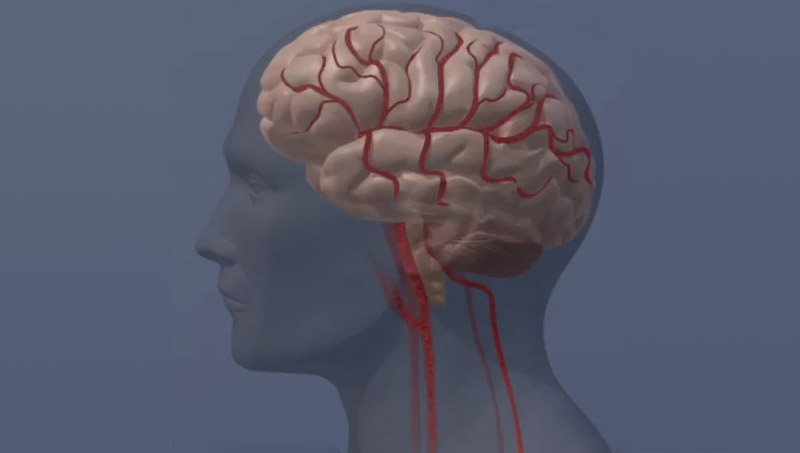
Elderly people who sleep poorly and awaken frequently are more likely to have hardened blood vessels or oxygen-starved tissue in the brain. (American Heart Association)
Small reductions in Kidney function may damage Heart, Blood Vessels
January 15, 2016
American Heart Association Rapid Access Journal Report
Dallas, TX – Even small reductions in kidney function are associated with heart and blood vessel damage, according to new research in the American Heart Association’s journal Hypertension.
“Even in very healthy people, a small reduction in kidney function from normal to just a bit below normal was associated with an increase in the mass of the left ventricle, a change that makes the heart stiffer and impairs its ability to contract,” said Jonathan Townend, M.D., senior author of the paper and professor of cardiology at the Queen Elizabeth Hospital Birmingham in Edgbaston, United Kingdom.
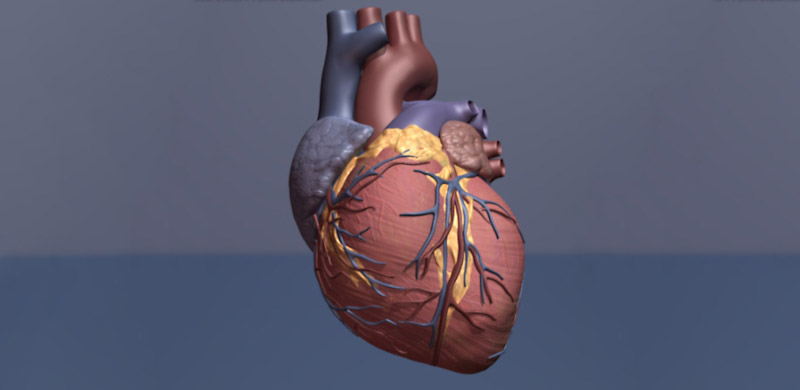
Heart Illustration. (American Heart Association)
American Heart Association gives Tips to reduce your Sodium Intake
October 12, 2014
Nashville, TN – Americans’ love for salt is having a dramatic impact on their health. The average American takes in more than 3,400 milligrams of sodium each day—almost 2,000 milligrams more than the limit recommended by the American Heart Association (1500 mg/day).
Sodium is an essential nutrient and a little salt can be part of a healthy diet, but the amounts we are eating are far too high and can increase the risk of high blood pressure, heart disease, stroke, and other health problems.
[youtube]https://www.youtube.com/watch?v=YR81aziXRfw[/youtube] [Read more]
American Heart Association says taking prescribed Anti-Clotting Drug may help save Sstent Patients’ Lives, but many are not filling Prescription
June 2, 2014
 Dallas, TX – If you’ve just received a coronary artery stent to prop open a blood vessel, your life may depend on filling your prescription and taking an anti-clotting drug within days of leaving the hospital, according to a large study in the Journal of the American Heart Association.
The risk of heart attack and death is highest within the first 30 days for those who delay taking their medication than during long-term follow-up out to two years.

Thirty percent of patients who had just received a stent failed to fill their prescription for an anti-clotting drug within three days of hospital discharge. (American Heart Association)
Prevent Alzheimer’s With These 3 Foods
December 26, 2013
Practice preventive care with a diet rich in these Alzheimer’s foods to help slow the progression of the most common form of dementia.
 Glendale, CA – The number of Americans with Alzheimer’s is projected to triple by 2050. While there isn’t a cure for Alzheimer’s, certain lifestyle changes can help prevent cognitive decline.
MySilverAge.com recommends three foods that can help prevent the onset of Alzheimer’s by enhancing brain function and keeping the mind sharp.
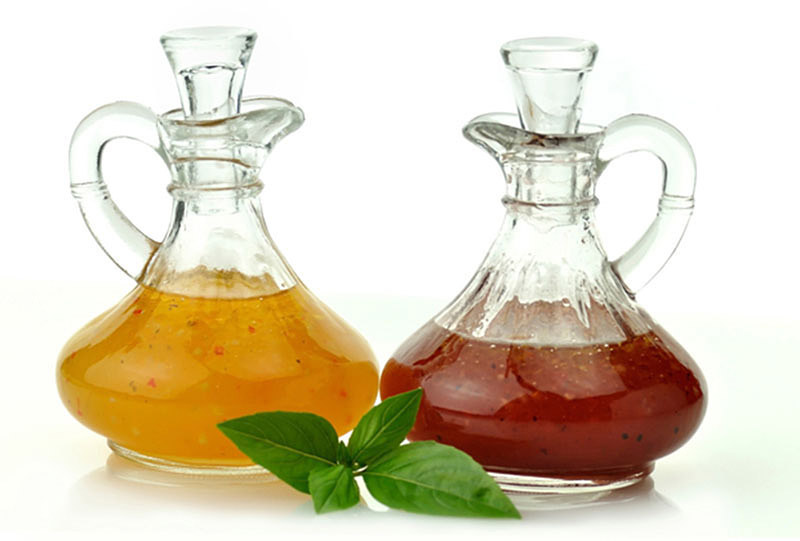
Oil-based salad dressings on salads can help support healthy brain function.
American Heart Association says Coffee may help perk up your blood vessels
December 8, 2013
Dallas, TX – The caffeine in a cup of coffee might help your small blood vessels work better, according to research presented at the American Heart Association’s Scientific Sessions 2013.
A study of 27 healthy adults showed – for the first time – that drinking a cup of caffeinated coffee significantly improved blood flow in a finger, which is a measure of how well the inner lining of the body’s smaller blood vessels work.

The study takes us one step closer to understanding how coffee might benefit cardiovascular health. (Copyright American Heart Association)
American Heart Association: Environmental toxins linked to heart defects
November 21, 2013
Dallas, TX – Children’s congenital heart defects may be associated with their mothers’ exposure to specific mixtures of environmental toxins during pregnancy, according to research presented at the American Heart Association’s Scientific Sessions 2013.
Congenital heart defects occur when the heart or blood vessels near the heart don’t develop normally before birth. Defects may be caused by chromosomal abnormalities, but the cause is unknown in most cases. [Read more]
American Heart Association says new Implanted Defibrillator works well without touching Heart
August 29, 2013
Dallas, TX – A new type of defibrillator implanted under the skin can detect dangerously abnormal heart rhythms and deliver shocks to restore a normal heartbeat without wires touching the heart, according to research in the American Heart Association journal, Circulation.
The subcutaneous implantable cardiac defibrillator (S-ICD®System) includes a lead placed under the skin along the left side of the breast bone. Traditional implantable cardiac defibrillators (ICDs) include electrical conducting wires inserted into blood vessels that touch the heart.
[youtube]http://www.youtube.com/watch?v=b19gnplaP8U[/youtube] [Read more]
American Heart Association says DNA particles in the Blood may help speed detection of Coronary Artery Disease
July 4, 2013
High blood levels of these DNA particles may eventually help identify patients at risk for further serious heart problems.
Dallas, TX – DNA fragments in your blood may someday help doctors quickly learn if chest pain means you have narrowed heart arteries, according to a new study published in the American Heart Association journal Arteriosclerosis, Thrombosis, and Vascular Biology.
The study involved 282 patients, ages 34 to 83, who reported chest pain and were suspected of having coronary artery disease. Researchers used computed tomography imaging to look for hardened, or calcified, buildup in the blood vessels that supply the heart. Blood samples also were tested for bits of genetic material. Release of small DNA particles in the blood occurs during chronic inflammatory conditions such as coronary artery disease. [Read more]
American Heart Association reports Diet, ‘anti-aging’ supplements may help reverse blood vessel abnormality
May 13, 2013
Nashville, TN – A diet low in grains, beans and certain vegetables — combined with “anti-aging” supplements — improved blood vessel function, in a study presented at the American Heart Association’s Arteriosclerosis, Thrombosis and Vascular Biology 2013 Scientific Sessions.
The blood vessel abnormality, or endothelial dysfunction, occurs when cells lining the interior wall of blood vessels malfunction. It’s a serious condition that’s often one of the first signs of heart disease. [Read more]


