


American Heart Association says In-Womb Air Pollution Exposure associated with Higher Blood Pressure in Childhood


Hypertension Journal Report
 Dallas, TX – Children who were exposed to higher levels of air pollution during the third trimester of their mother’s pregnancy had a higher risk of elevated blood pressure in childhood, according to new research in the American Heart Association’s journal Hypertension.
Fine particulate matter of 2.5 microns or less (PM2.5) is a form of air pollution produced by motor vehicles and the burning of oil, coal and biomass, and has been shown to enter the circulatory system and negatively affect human health.
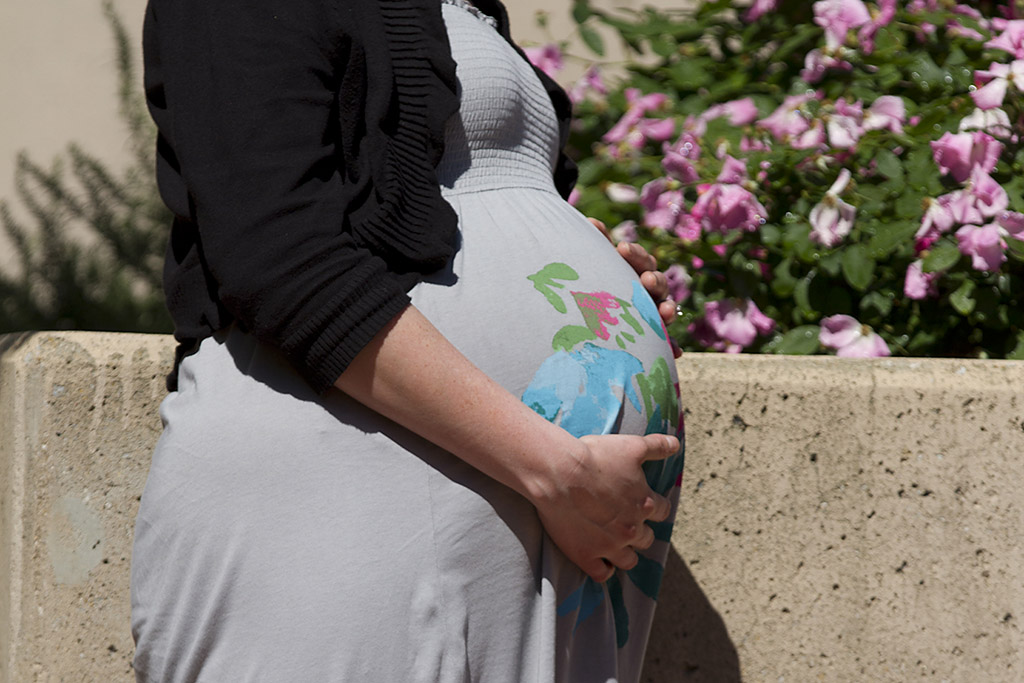
Children who were exposed to higher levels air pollution while in the womb had a higher risk of elevated blood pressure in childhood. (American Heart Association)
Previous studies found, direct exposure to fine air pollution was associated with high blood pressure in both children and adults and is a major contributor to illness and premature death worldwide.
“Ours is one of the first studies to show breathing polluted air during pregnancy may have a direct negative influence on the cardiovascular health of the offspring during childhood,” said Noel T. Mueller, Ph.D., M.P.H., senior author of the study and an assistant professor of epidemiology at the Johns Hopkins University Bloomberg School of Public Health in Baltimore, Maryland. “High blood pressure during childhood often leads to high blood pressure in adulthood and hypertension is the leading cause of cardiovascular disease.”
Researchers examined 1,293 mothers and their children who were part of the large, ongoing Boston Birth Cohort study. Blood pressure was measured at each childhood physical examination at 3- to 9- years old.
A systolic (top number) blood pressure was considered elevated if it was in the highest 10 percent for children the same age on national data. Researchers also adjusted for other factors known to influence childhood blood pressure, such as birthweight and maternal smoking.
They found:
- Children exposed to higher levels (the top third) of ambient fine-particulate pollution in the womb during the third trimester were 61 percent more likely to have elevated systolic blood pressure in childhood compared to those exposed to the lowest level (the bottom third).
- Higher exposure to air pollution in the third trimester, when fetal weight gain is the most rapid, was already known to influence (lower) birthweight, but this study found the association with elevated blood pressure regardless of whether a child was of low-, normal- or high birthweight.
- A woman’s fine-particulate matter exposure before pregnancy was not associated with blood pressure in her offspring, thus providing evidence of the significant impact of in-utero exposure.
“These results reinforce the importance of reducing emissions of PM2.5 in the environment. Not only does exposure increase the risk of illness and death in those directly exposed, but it may also cross the placental barrier in pregnancy and effect fetal growth and increase future risks for high blood pressure,” Mueller said.
Researchers used each woman’s residential address and information from the nearest U.S. Environmental Protection Agency’s (EPA) air quality monitor to estimate exposure to air pollution in each trimester of pregnancy.
The concentrations of PM2.5 in the highest category in this study (11.8 micrograms per cubic meter or higher) were slightly lower than the EPA’s National Air Quality Standard (12 micrograms per cubic meter).
[320left]“The science on the health effects of air pollution is under review by the EPA. The findings of our study provide additional support for maintaining, if not lowering, the standard of 12 micrograms of PM2.5 per cubic meter set in 2012 by the National Ambient Air Quality Standards under the Clean Air Act. We need regulations to keep our air clean, not only for the health of our planet but also for the health of our children” Mueller said.
This study established an association. It did not prove a direct cause-and-effect relationship. However, the by size of the study, follow-up and ability to adjust for many factors that might influence childhood blood pressure add to the strength of the findings, researchers noted.
Co-authors are Mingyu Zhang, B.Sc, BEcon; Hongjian Wang, M.D., Ph.D.; Xiumei Hong, M.D., Ph.D.; Lawrence J. Appel, M.D., M.P.H.; and Xiaobin Wang, M.D., M.P.H., Sc.D. The researchers reported no disclosures.
The Boston Birth Cohort received grant support from The March of Dimes Birth Defects Foundation, the National Institute of Child Health and Human Development and the Maternal and Child Bureau of the Health Resources and Services Administration.
Additional Resources:
- View the manuscript and editorial online.
- Air Pollution and Heart Disease, Stroke
- Particulate Matter Air Pollution and CVD
- Air Pollution and CVD Fact Sheet
- Follow AHA/ASA news on Twitter @HeartNews
- For the updates and new science from the Hypertension journal follow @HyperAHA


Comments
Feel free to leave a comment...
and oh, if you want a pic to show with your comment, go get a gravatar!
You must be logged in to post a comment.