


American Heart Association Says New Dietary Guidelines Will Help Establish a Healthier Roadmap for Americans
January 9, 2016
 Dallas, TX – The American Heart Association (AHA) applauds the Departments of Health and Human Services (HHS) and Agriculture (USDA) on the release of the 2015 Dietary Guidelines for Americans.
“The new federal dietary guidelines give Americans more flexibility in their diets without sacrificing their health. By providing a valuable source of nutrition information, the standards are part of a roadmap to help build a ‘culture of health’ in America. This healthier culture will help reduce our risk for heart disease and stroke – the two leading causes of death in the world,” said Mark Creager, M.D., president of the American Heart Association.
New American Heart Association Guidelines recommends Diets high in Fruit, Vegetables, Whole Grains and Nuts among factors to lower first-time Stroke Risk
November 6, 2014
Dallas, TX – Eating Mediterranean or DASH-style diets, regularly engaging in physical activity and keeping your blood pressure under control can lower your risk of a first-time stroke, according to updated AHA/ASA guideline published in the American Heart Association’s journal Stroke.
“We have a huge opportunity to improve how we prevent new strokes, because risk factors that can be changed or controlled — especially high blood pressure — account for 90 percent of strokes,” said James Meschia, M.D., lead author of the study and professor and chairman of neurology at the Mayo Clinic in Jacksonville, Florida.

Fruit Stand. (American Heart Association)
American Heart Association says consistent blood pressure control may cut rate of second stroke in half
April 7, 2014
Dallas, TX – Stroke survivors who consistently control their blood pressure may reduce the likelihood of a second stroke by more than half, according to new research in the American Heart Association journal Stroke.
For the study, researchers analyzed the results from the Vitamin Intervention for Stroke Prevention (VISP) trial, which enrolled 3,680 ischemic stroke patients ages 35 and older in 1996-2003.
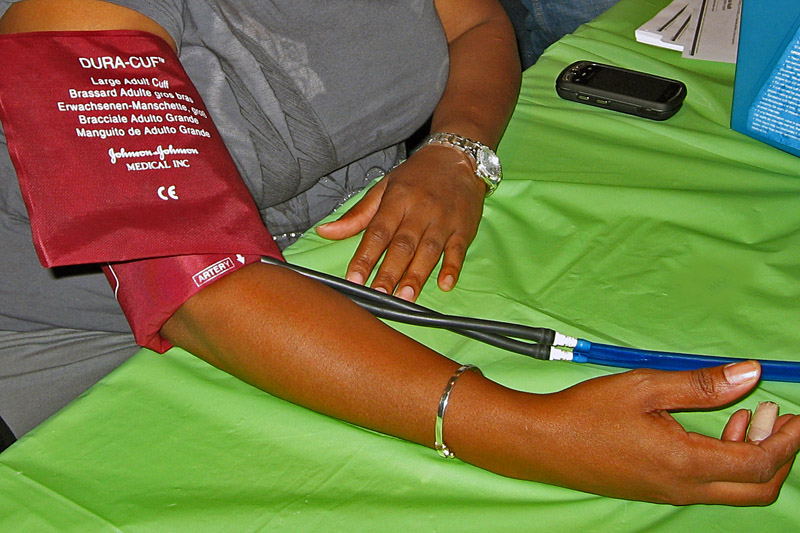
Blood Pressure Check. (American Heart Association)
Tennessee Governor Bill Haslam Launches Statewide “Healthier Tennessee” Initiative
August 6, 2013
Newly created foundation to work with local communities to promote health and wellness
 Jackson, TN – Tennessee Governor Bill Haslam today announced the launch of “Healthier Tennessee,” an initiative to encourage Tennesseans to be more physically active, to eat nutritious foods in healthy portions, and not to use tobacco products.
“Tennessee is one of the best places there is to live, work and raise a family, but we also are one of the least healthy states in the nation,” Haslam said. “Our citizens have high rates of behavior-related diseases such as hypertension and stroke, Type II diabetes, heart disease, and several types of cancer.” [Read more]
American Heart Association says skipping Breakfast may increase Coronary Heart Disease Risk
July 24, 2013
The timing of meals, whether it’s missing a meal in the morning or eating a meal very late at night, may cause adverse metabolic effects that lead to coronary heart disease.
Dallas, TX – Here’s more evidence why breakfast may be the most important meal of the day: Men who reported that they regularly skipped breakfast had a higher risk of a heart attack or fatal coronary heart disease in a study reported in the American Heart Association journal Circulation.
Researchers analyzed food frequency questionnaire data and tracked health outcomes for 16 years (1992-2008) on 26,902 male health professionals ages 45-82. [Read more]
American Heart Association reports Heart-Healthy Diet helps Men lower Bad Cholesterol, regardless of Weight Loss
May 12, 2013
Nashville, TN – A heart-healthy diet helped men at high risk for heart disease reduce their bad cholesterol, regardless of whether they lost weight, in a study presented at the American Heart Association’s Arteriosclerosis, Thrombosis and Vascular Biology 2013 Scientific Sessions.
The 19 24- to 62-year-old men in the study had metabolic syndrome, which refers to three or more significant risk factors for heart disease and stroke. The risk factors included in this study were high waist circumference, high blood pressure, high levels of triglycerides and fasting glucose and low levels of high density lipoprotein or HDL “good” cholesterol. [Read more]
American Heart Association says adolescents’ poor health behaviors raise risk of heart disease as adults
April 12, 2013
More than 80 percent of them had a poor diet and many were not physically active.
Dallas, TX – U.S. adolescents’ high levels of poor health behaviors and unfavorable cardiovascular risk factors may increase their chances of heart disease as adults, according to new research in the American Heart Association journal Circulation.
Researchers estimated the current state of cardiovascular health of U.S. adolescents based on the seven cardiovascular health components defined in the American Heart Association’s 2020 impact goals, which include both health behaviors and factors: blood pressure, total cholesterol, body mass index (BMI), blood glucose, healthy diet, physical activity and smoking. The 4,673 adolescents were 12-to 19-years-old and represented about 33.2 million adolescents nationally.

Poor diet in adolescents can raise risk of heart disease later in life. (American Heart Association)
Tennessee Department of Health says “Get Your Plate In Shape” for Better Health
March 7, 2012
March is National Nutrition Month®
 Nashville, TN – We all know exercise is a great way to get our bodies in shape. But don’t forget about nutrition! The Department of Health urges Tennesseans to “Get Your Plate in Shape” starting this March during National Nutrition Month® by including healthy items from all food groups at each meal. [Read more]


