


U.S. Food and Drug Administration Delays Plan to Lower Nicotine Levels in Traditional Cigarettes
November 22, 2019
 Washington, D.C. – The U.S. Food and Drug Administration (FDA) released a list of regulations it plans to work on in 2020, omitted from that list was a regulation to reduce nicotine levels in traditional cigarettes. That regulation was initially announced by former FDA Commissioner Scott Gottlieb in 2017.

American Heart Association calls on U.S. Food and Drug Administration (FDA) to take action to reduce the scourge of tobacco use in this country.
American Heart Association says Vaping Industry faces a triple threat: Science, Advocacy, Community Action
November 16, 2019
Philadelphia, PA – The American Heart Association, the world’s leading voluntary organization devoted to a world of longer, healthier lives, today announced an aggressive, three-pronged initiative involving research, policy advocacy and youth activation intended to urgently address the epidemic of youth e-cigarette use.
The initiative, launched as 1 in 4 high school students nationwide report using e-cigarettes, has three central components.
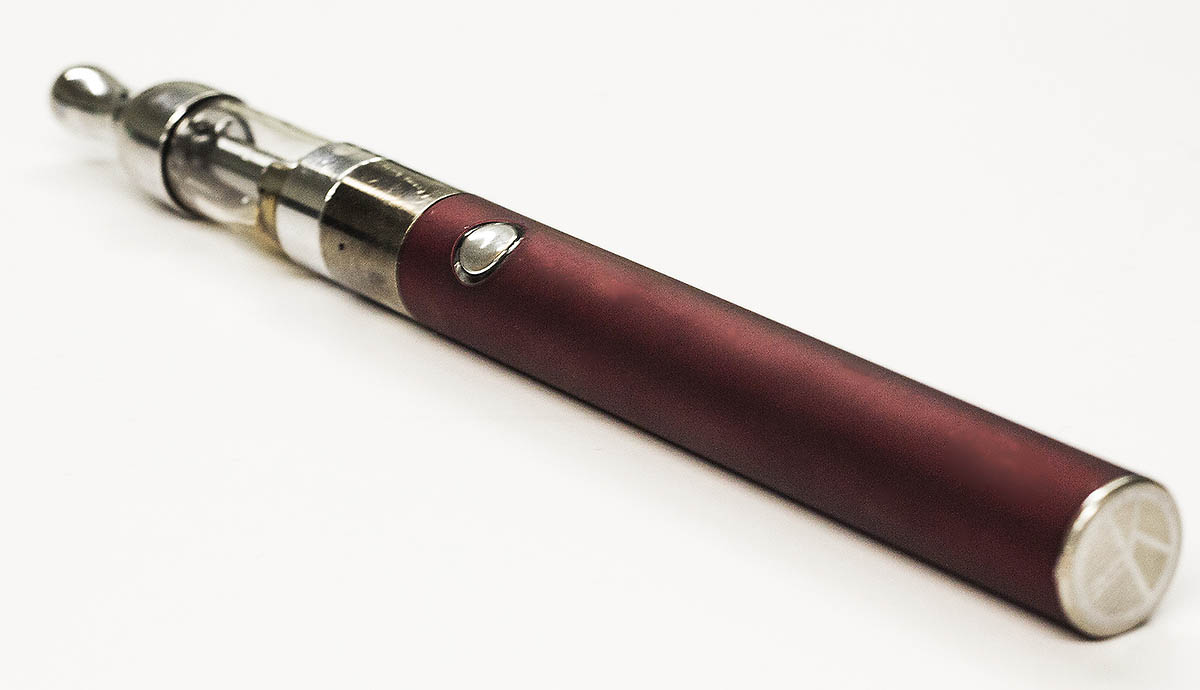
American Heart Association announces sweeping research investment, policy advocacy fund and youth activation campaign demanding “Big Vape” to #QuitLying (American Heart Association)
Tennessee Department of Health issues Public Health Advisory on Nicotine/Chemicals Delivery Systems
January 6, 2019
Tennessee Department of Health (TDH)
 Nashville, TN – The Tennessee Department of Health has updated its January 2017 public health advisory to reflect recently published research of importance to the health of Tennesseans.
Since the first TDH advisory on ENDS was issued in February, 2013 accumulating evidence has increased the level of concern regarding the risks posed by these products to the health of all persons involved, especially children.

Closeup of woman smoking electronic cigarette outdoor. (American Heart Association)
Tennessee Department of Health Issues Updated Public Health Advisory on E-Cigarettes
December 11, 2018
Tennessee Department of Health (TDH)
Nashville, TN – The Tennessee Department of Health (TDH) is issuing an updated public health advisory on electronic nicotine delivery systems, or ENDS based on recent federal regulatory action and new evidence of risks associated with use of e-cigarettes and similar devices.
Evolving Research and Recent Regulatory Actions Increase Concerns about E-Cigarettes Impact to Health. (American Heart Association)
E-cigarettes are more likely to be used by alcohol drinkers and former cigarette smokers
December 4, 2017
 Anaheim, CA – Electronic cigarettes are more frequently used by people who recently quit smoking and alcohol drinkers, according to preliminary research presented at the American Heart Association’s Scientific Sessions 2017, a premier global exchange of the latest advances in cardiovascular science for researchers and clinicians.

E-Cigarette. (American Heart Association)
Heat-not-Burn Tobacco Products may be ‘not so hot’ at protecting Blood Vessel Function
December 2, 2017
Anaheim, CA – Heat-not-burn devices may eliminate users’ exposure to tobacco smoke, but the vapor they produce has the same negative impact on blood vessel function as smoking, according to a preliminary animal study presented at the American Heart Association’s Scientific Sessions 2017, a premier global exchange of the latest advances in cardiovascular science for researchers and clinicians.
Heat-not-burn products are not new, but have been recently updated and test marketed in several countries outside the United States with greater success.
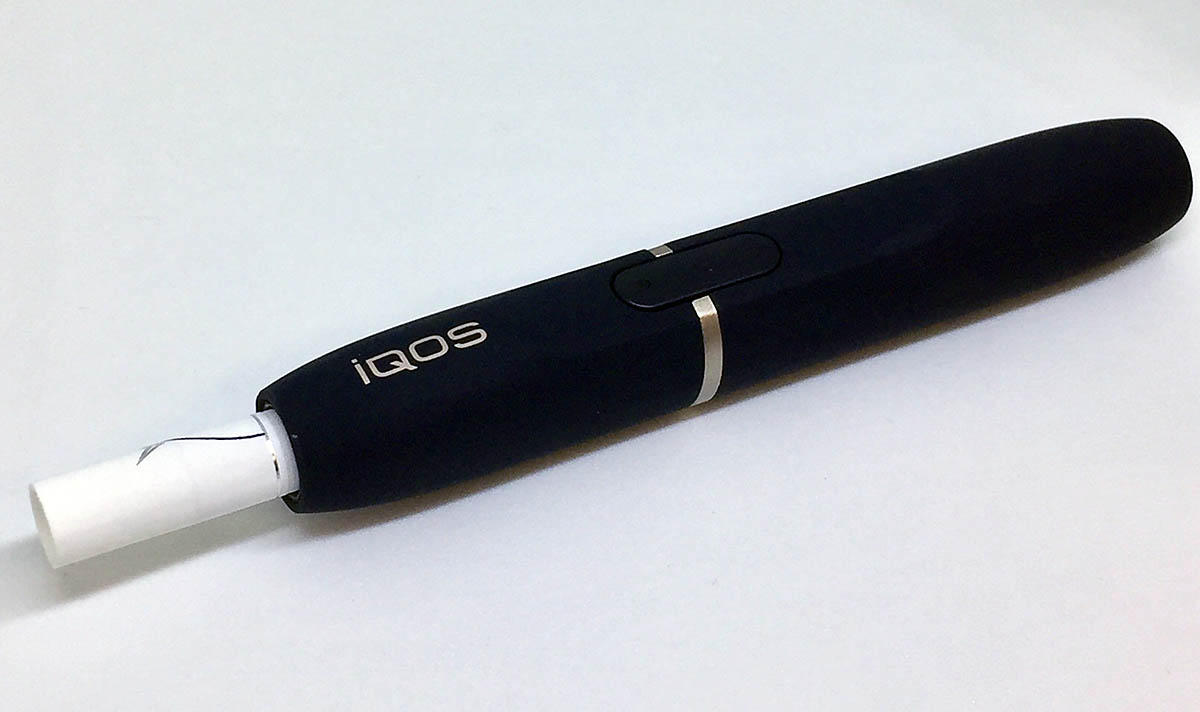
iQOS device used in “Impairment of Endothelial Function by Inhalation of Heat-Not-Burn Tobacco Aerosol” study. (Jesse Elias)
American Heart Association says One E-Cigarette may lead to Adrenaline changes in Nonsmokers’ Hearts
October 3, 2017
Journal of the American Heart Association Report
Dallas, TX – Healthy nonsmokers may experience increased adrenaline levels in their heart after one electronic cigarette (e-cigarette) with nicotine, according to new research in Journal of the American Heart Association, the Open Access Journal of the American Heart Association/American Stroke Association.
Nerve endings in the sympathetic nervous system release both adrenaline (epinephrine) and noradrenalin (norepinephrine), both of which play a role in the fight or flight response. Perpetually increased activity of the sympathetic nervous system contributes to increased cardiac risk.
Healthy nonsmokers experienced increased adrenaline levels in their heart after one electronic cigarette (e-cigarette) with nicotine. (American Heart Association)
Tennessee Leaders Kick Off 2017 “Quittin’ Time in Tennessee”
February 19, 2017
Highlight Importance of Community and Government Partners to Help Tennesseans Quit Smoking
Nashville, TN – Tennessee State leaders and officials have reignited a call to reduce tobacco use in Tennessee, sharing a collective commitment to helping Tennesseans quit the habit.
Holding a press conference alongside several attending leaders from the state’s government, business and non-profit organizations, Tennessee Department of Health Commissioner John Dreyzehner, MD, MPH, Governor’s Foundation for Health and Wellness CEO Richard Johnson and NashvilleHealth Founder Senator Bill Frist, MD discussed the many opportunities available to citizens who are ready to quit.

Tennessee Department of Health updates Public Health Advisory on E-Cigarettes
January 11, 2017
Evolving Research & Recent Regulatory Actions Increase Concerns about Impacts to Health
Nashville, TN – In February of 2013, the Tennessee Department of Health issued its first public health advisory on electronic nicotine delivery systems.
After reviewing a growing body of unbiased, scientific research, TDH is issuing an updated advisory that provides more information and urges current and potential users to understand new evidence of risks associated with e-cigarettes and similar devices.

Liquid nicotine, a primary ingredient in many e-cigarettes and similar devices, can be fatal if ingested or absorbed through the skin. Users should protect themselves and not allow children access to the liquids. Parents who suspect their child may have swallowed chemicals or batteries intended for e-cigarettes should seek medical help immediately.
American Heart Association Praises Surgeon General’s Call to Action on Youth E-Cigarette Use
December 9, 2016
Washington, D.C. – American Heart Association CEO Nancy Brown issued the following comments today on the Surgeon General’s report, “E-Cigarette Use Among Youth and Young Adults.” The report examines the growing use of these products by youth under the age of 25 in the U.S. and makes policy recommendations for how to fight this public health threat:
“The Surgeon General’s call to extinguish e-cigarette use among young Americans deserves high praise and fervent support.
Unlike tobacco products, e-cigarettes are not age-restricted. New Report Stresses Need to Address Public Health Threat.


