


Insomnia tied to higher risk of Heart Disease, Stroke
September 18, 2019
 Dallas, TX – People suffering from insomnia may have an increased risk of coronary artery disease, heart failure and stroke, according to new research in the American Heart Association’s journal Circulation.
Previous observational studies have found an association between insomnia, which affects up to 30% of the general population, and an increased risk of developing heart disease and stroke.

Data from more than a million people found that genetic liability to insomnia may increase the risk of coronary artery disease, heart failure and stroke. (American Heart Association)
American Heart Association reports Breast Cancer Treatments may increase the risk of Heart Disease
March 3, 2018
 Dallas, TX – Breast cancer patients may be at an increased risk of cardiovascular diseases including heart failure and may benefit from a treatment approach that weighs the benefits of specific therapies against potential damage to the heart, according to a new scientific statement from the American Heart Association published in its journal Circulation.
The statement is an overview of what we currently know about risk factors common to both heart disease and breast cancer, the potential heart damage from some breast cancer treatments, and suggested strategies to prevent or minimize the damage.
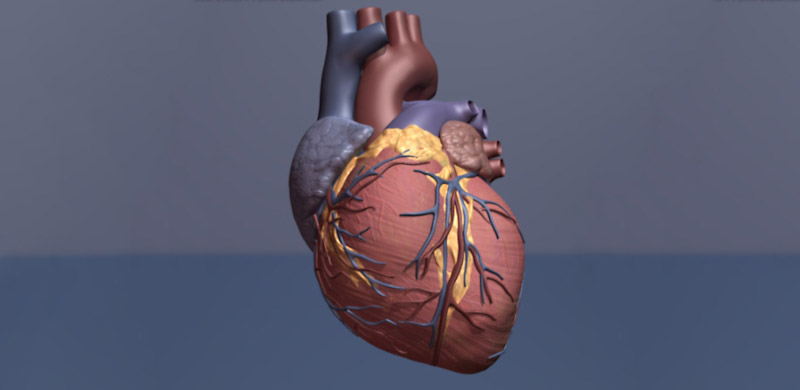
Breast cancer survivors, especially older women, are more likely to die from cardiovascular diseases such as heart failure rather than breast cancer. (American Heart Association)
Multi-Gene Test predicts early Heart Disease Risk
January 11, 2018
Circulation: Genomic and Precision Medicine Journal Report
Dallas, TX – A risk score based on multiple genetic differences, or polygenic risk score, predicted significantly more cases of early-onset heart disease than standard tests for single genetic defects, according to new research in the American Heart Association’s journal Circulation: Genomic and Precision Medicine.
“Our results provide convincing evidence that the polygenic risk score could be added to the genetic investigation of patients with very early coronary artery disease,” said study lead author.
The polygenic test predicted a high risk for early-onset heart disease in 1 out of 53 individuals, compared to 1 in 256 for the most frequent single genetic defect. (American Heart Association)
American Heart Association reports Unmarried Heart Patients face higher risk of Death
December 22, 2017
Journal of the American Heart Association Report
Dallas, TX – Compared to married heart disease patients, being unmarried was associated with a higher risk of dying, according to new research in Journal of the American Heart Association, the Open Access Journal of the American Heart Association/American Stroke Association.
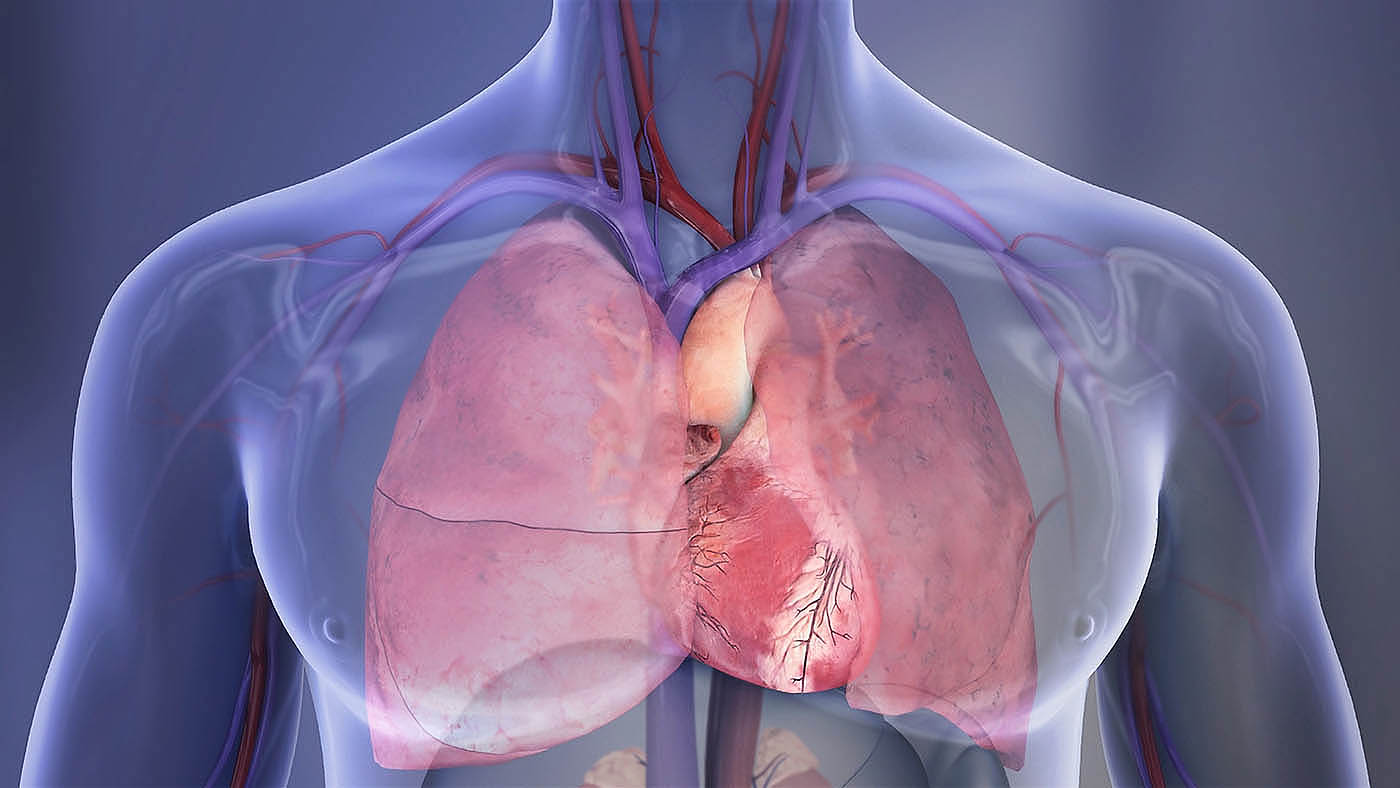
This is the first study to show an association between marital status and death from any cause and heart disease-related death in a high-risk heart patient population. (American Heart Association)
Abuse and adversity in childhood linked to more cardiovascular risk in adulthood
December 19, 2017
American Heart Association Scientific Statement
Dallas, TX – Children and teens who are abused, witness violence, are bullied or face other adversities are more likely to develop cardiovascular diseases in adulthood, according to a new scientific statement by the American Heart Association published in the Association’s journal Circulation.
The statement is based on a review of existing scientific research published in peer-reviewed medical journals that documents a strong association between adverse experiences in childhood and teen years and a greater likelihood of developing risk factors such as obesity, high blood pressure and type 2 diabetes earlier than those not experiencing adverse experiences.

Children and teens who experience abuse, bullying, neglect or witness violence and other forms of adversity are more likely to develop heart and blood vessel diseases as adults. (American Heart Association)
Heart failure in Methamphetamine Users: Could this be the next epidemic among Vets?
December 1, 2017
Anaheim, CA – Heart failure associated with methamphetamine (meth) use has risen dramatically in recent years among U.S. veterans, according to preliminary research presented at the American Heart Association’s Scientific Sessions 2017, a premier global exchange of the latest advances in cardiovascular science for researchers and clinicians.
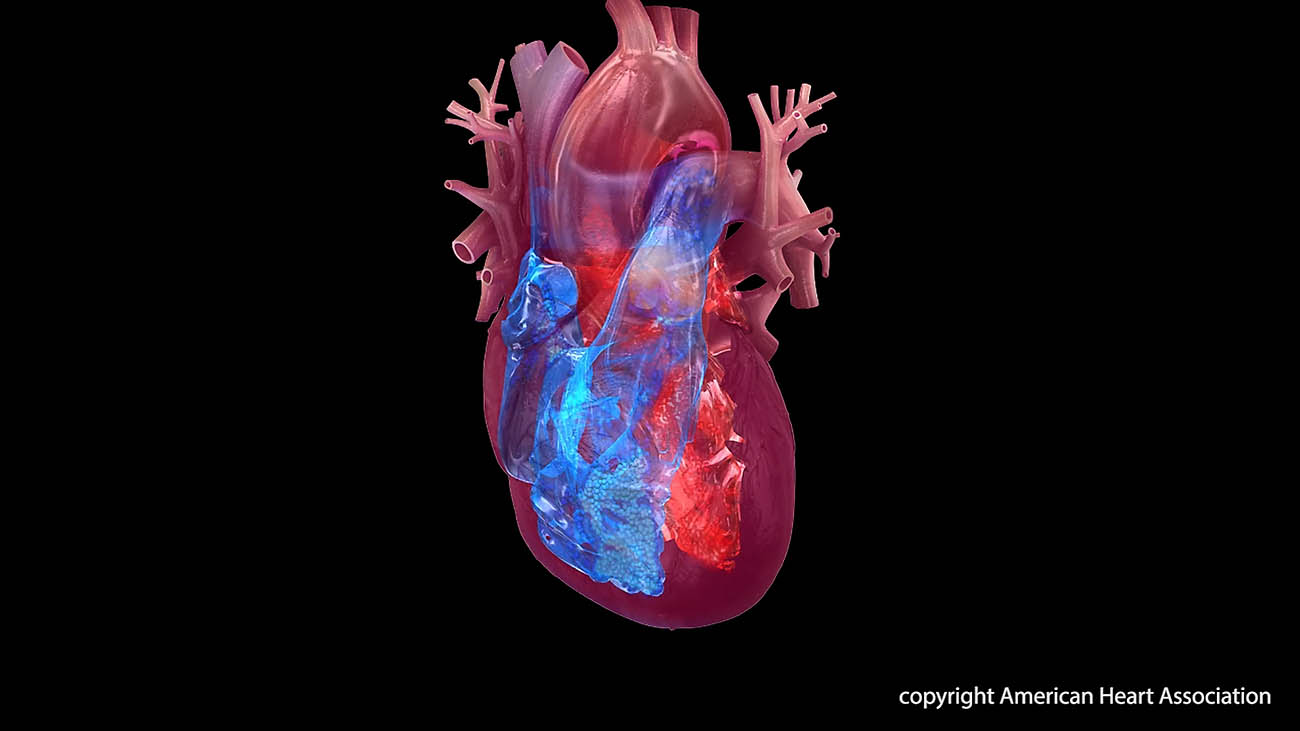
Heart failure associated with methamphetamine use is on the rise among U.S. veterans. (American Heart Association)
American Heart Association reports Higher Thyroid Hormone Levels associated with Artery Disease and Death
November 4, 2017
American Heart Association Rapid Access Journal Report
Dallas, TX – High and high-normal levels of a thyroid hormone called FT4, were associated with artery disease and death in elderly and middle-aged people, according to new research in Circulation Research, an American Heart Association journal.
Researchers analyzed data from 9,420 participants (average age 65, 57 percent women) in the Rotterdam Study looking at data on two types of hormones: thyroid-stimulating hormone and free thyroxine (known as FT4) and their link to atherosclerosis and death due to coronary heart disease, cerebrovascular disease or other artery-related illness.
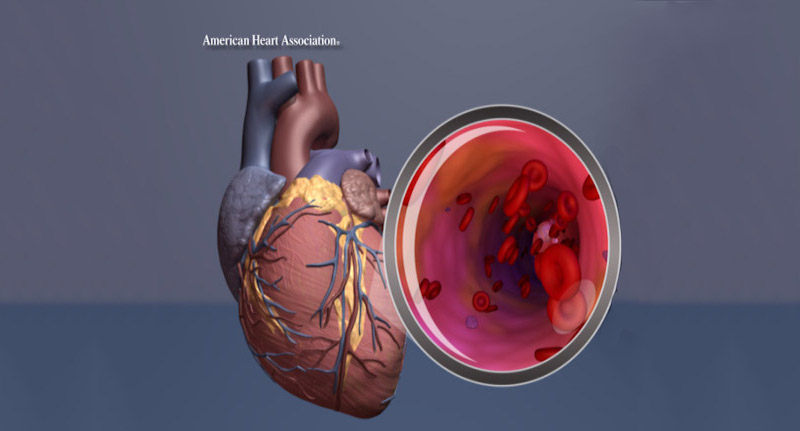
High and high-normal levels of a thyroid hormone called free thyroxine or FT4, were associated with artery disease and death in elderly and middle-aged people. (American Heart Association)
American Heart Association says Women with Mild Heart Blockage report Poorer Health, more Anxiety and Negativity than Men
February 28, 2017
American Heart Association Rapid Access Journal Report
Dallas, TX – Women with mild blockage of coronary arteries report poorer health, more anxiety and a more negative outlook than men with the same condition, according to new research in the American Heart Association’s journal Circulation: Cardiovascular Quality and Outcomes.
In general, people with non-obstructive coronary artery disease report more anxiety, depression and a negative outlook, what physicians refer to as psychosocial distress, than the general population. Prior to this study, gender disparity had not been investigated.

F.A.S.T. infographic with stroke warning signs: Face drooping, Arm weakness, Speech difficulty, Time to call 9-1-1. Strokeassociation.org (American Heart Association)
American Heart Association reports Recreational, Commuter Biking linked to Lower Cardiovascular Disease Risk
November 2, 2016
American Heart Association Rapid Access Journal Report
Dallas, TX – People who bike regularly, either for pleasure or as a way to commute, appear to have a lower risk of cardiovascular disease, according to two separate studies published simultaneously in the American Heart Association’s journal Circulation and Journal of the American Heart Association, the AHA/ASA’s Open Access Journal.
While structured cycling as part of a formal workout routine is already known to guard against cardiovascular illness, little is known about the effects of habitual biking done for leisure or as a way to commute.

People who bike regularly, either recreationally or as a way to commute, appear to have a lower risk of cardiovascular illness, according to studies conducted in Denmark and Sweden.
American Heart Association says Digestive byproduct may predict greater Risk of Death among PAD Patients
October 30, 2016
American Heart Association Rapid Access Journal Report
Dallas, TX – Patients with high blood levels of a digestive byproduct and narrowing of the arteries away from the heart (peripheral artery disease or PAD) were significantly more likely to die within five years than PAD patients with lower levels, according to new research in Journal of the American Heart Association, the Open Access Journal of the American Heart Association/American Stroke Association.
The digestive byproduct, trimethylamine N-oxide (TMAO) is produced by gut bacteria breaking down red meat, eggs, and other meat products found in the traditional Western diet.
Patients with narrowed peripheral arteries and high blood levels of a digestive byproduct were significantly more likely to die during a five-year study than were peripheral artery disease (PAD) patients with lower levels of the digestive byproduct. (American Heart Association)


