


Out-of-Hospital Cardiac Arrest third leading cause of Disease-Related Health Loss
April 20, 2019
Circulation: Cardiovascular Quality and Outcomes Journal Report
 Dallas, TX – Out-of-hospital cardiac arrest was the third leading cause of “health loss due to disease” in the United States behind ischemic heart disease and low back/neck pain in 2016, according to new research in Circulation: Cardiovascular Quality and Outcomes, an American Heart Association journal.
This groundbreaking study is the first to estimate disability-adjusted life years (DALY) – which measures the sum of years of life lost prematurely and years lived with disability due to a disease – among those who experienced non-traumatic out-of-hospital cardiac arrest in the United States.

Wall mounted AED with emergency phone. (American Heart Association)
Better options needed for Children at higher risk of Premature Heart Disease
April 3, 2019
American Heart Association Scientific Statement
Dallas, TX – Obesity and severe obesity in childhood and adolescence have been added to the list of conditions that put children and teens at increased risk for premature heart disease, according to a new scientific statement from the American Heart Association published in the Association’s journal Circulation.

New developments in identifying and treating the increased risk of premature heart disease in children and teens with certain medical conditions associated with increased cardiovascular risk are discussed in a scientific statement from the American Heart Association. (American Heart Association)
Physically active Women have significantly decreased risk of Heart Disease
March 28, 2019
American Heart Association
Dallas, TX – American Heart Association says women who spent less of their day in sedentary behaviors—sitting or reclining while awake—had a significantly decreased risk of heart disease, but there has been an increase in the incidence of younger women having acute heart attacks in the U.S., according to two studies in a special Go Red for Women issue of the American Heart Association’s journal Circulation, published in February, American Heart Month.
This is the third annual issue of the journal dedicated to research about women and cardiovascular health.
Fluctuating Personal Income may be associated with an Increased Heart Disease Risk
January 12, 2019
American Heart Association – Circulation Journal Report
Dallas, TX – Sudden, unpredictable drops in personal income during young adulthood are associated with an increased risk of developing heart disease and/or dying from any cause, according to new research in the American Heart Association’s journal Circulation.
In the United States, the recent rise in income inequality suggests that a larger proportion of the population faces poverty and economic difficulties. In addition, while most people experience some income change, income volatility has been on the rise and has reached a record high level since 1980.
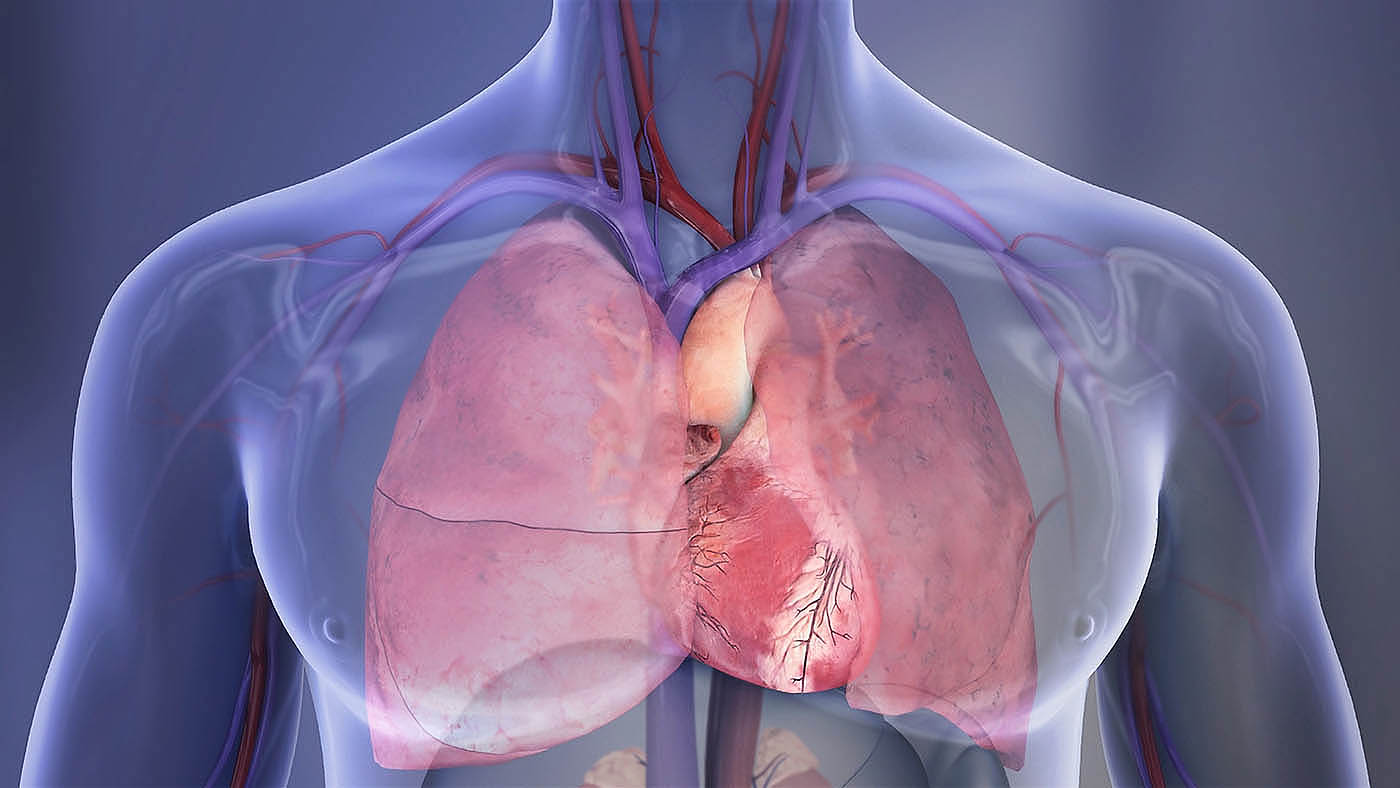
Young adults who had two or more significant drops in income over a 15-year period had nearly double the risk of cardiovascular disease or dying prematurely. (American Heart Association)
Regular Flu Shots may save Heart Failure Patients’ Lives
December 26, 2018
American Heart Association Circulation Journal Report
Dallas, TX – Getting an annual flu shot can save heart failure patients’ lives, according to new research in the American Heart Association’s journal Circulation.
Flu season usually begins in the fall and runs through the spring, with cases often peaking during the winter months. Annual flu vaccination is regarded as a safe, low-cost way to reduce flu-related deaths and complications and is routinely recommended for patients with histories of heart disease and stroke.
Compared with skipping a flu shot, getting a flu shot was associated with an 18 percent reduced risk of premature death among newly-diagnosed heart failure patients. (American Heart Association)
Running a Marathon can increase Cardiac Strain in Amateur Runners
December 14, 2018
Journal of the American Heart Association Report
Dallas, TX – Full marathons may significantly raise concentrations of several biomarkers of strain on the heart, according to new research in Circulation, Journal of the American Heart Association.
Investigators in Spain compared levels of cardiac biomarkers, including – troponin I and troponin T- in 21 groups of 3 runners each after each individually ran an endurance race of three different lengths – a full marathon, a half marathon and a 10K race.

Amateurs running full-length marathons could be significantly raising levels of several key biomarkers of cardiac strain. (American Heart Association)
American Heart Association says Young, Healthy People still vulnerable to Cardiovascular Disease if their LDL Cholesterol is high
September 9, 2018
American Heart Association Circulation Journal Report
Dallas, TX – Young, healthy people may still face a lifetime risk of premature death from cardiovascular disease if they cannot keep their cholesterol levels in check, according to new observational research in the American Heart Association’s journal Circulation.
Researchers in this latest study looked at associations between low-density lipoprotein-cholesterol (LDL-C) and non-high-density lipoprotein-cholesterol (HDL-C) thresholds and cardiovascular disease (CVD) and coronary heart disease (CHD) mortality to evaluate whether people believed to be at low 10-year risk for heart health problems should begin pursuing efforts to lower elevated cholesterol earlier through lifestyle changes, and in some cases, cholesterol-lowering medication.

A study of more than 36,000 people followed for over two decades revealed that healthy individuals considered “low-risk” still died from cardiovascular disease if they had high low-density lipoprotein (LDL) cholesterol. (Ameircan Heart Association)
Diverse Diet may not be the healthiest one
September 4, 2018
American Heart Association Scientific Statement
Dallas, TX – Encouraging people to eat a wide variety of foods to ensure they meet all their dietary needs may backfire, according to a new scientific statement from the American Heart Association that provides an overview of recent scientific studies.
“Eating a more diverse diet might be associated with eating a greater variety of both healthy and unhealthy foods” said Marcia C. de Oliveira Otto, Ph.D., lead author of the statement published in the American Heart Association journal Circulation. “Combined, such an eating pattern may lead to increased food consumption and obesity.

Scientific evidence to date does not support the notion that eating a diverse diet is healthy or promotes a healthy weight. (American Heart Association)
More Sensitive Blood Test Diagnoses Heart Attacks Faster
August 27, 2018
American Heart Association Circulation Journal Report
Dallas, TX – A new test to assess a whether or not someone is having a heart attack upon arriving in the emergency room was safe and effective, ruling out heart attack in emergency room patients faster than a conventional method, according to new research in the American Heart Association’s journal Circulation.
The new high-sensitivity blood test for cardiac troponin, given in a hospital emergency room, was also found to be safe and effective.
4 chambers of the heart: right atrium, right ventricle, left atrium, left ventricle. (American Heart Association)
August 16, 2018
American Heart Association Circulation Journal Report
Dallas, TX – Even as a young adult, being overweight may cause higher blood pressure and thicken heart muscle, setting the stage for heart disease later in life, according to new research in the American Heart Association’s journal Circulation.
The study is the first to explore if higher body mass index (BMI) – a weight-for-height index – results in adverse effects on the cardiovascular system in young adults.
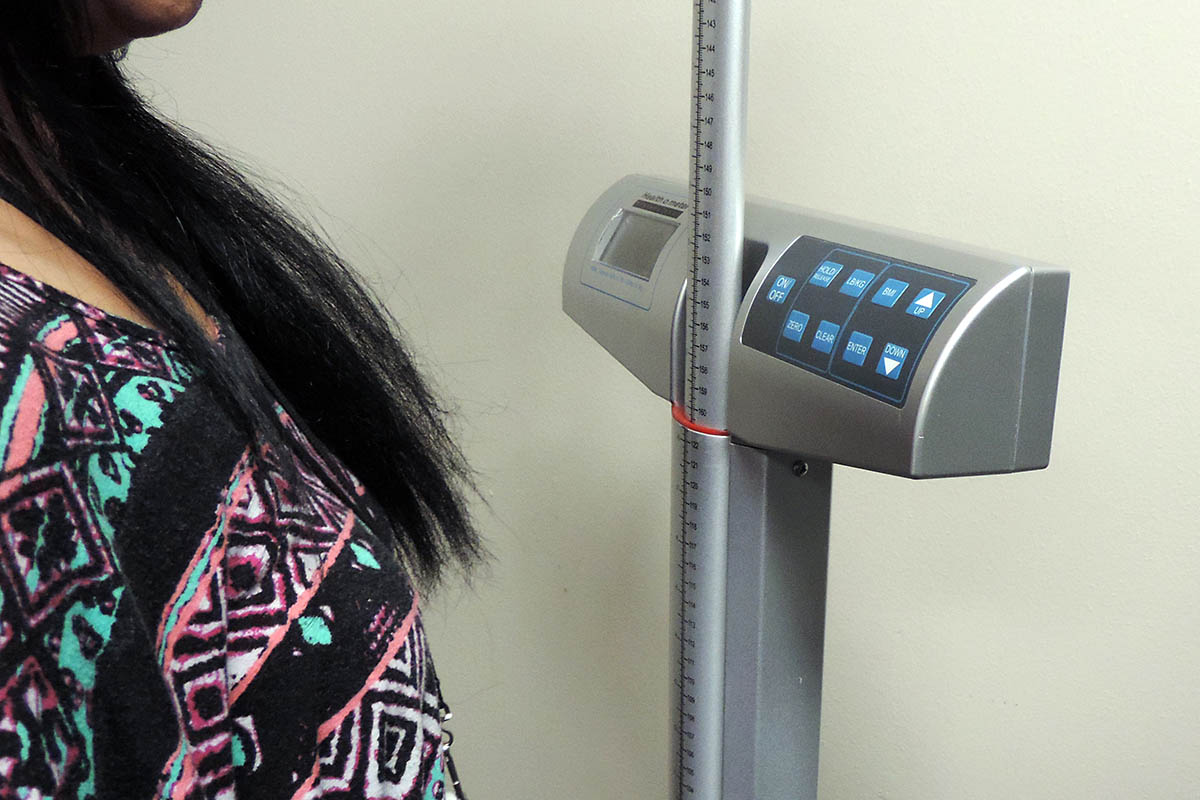
Being overweight may cause higher blood pressure and changes to the heart’s structure, even in young adults. (American Heart Association)


