


High out-of-pocket costs can make lifesaving medications out of reach for millions of Americans with Cardiovascular Disease
November 26, 2019
 Dallas, TX – One in 8 adults with common heart diseases and stroke skip taking medications, delay filling prescriptions or take lower doses than prescribed because of concerns about cost, according to new research published today in the American Heart Association’s journal Circulation.
“The out-of-pocket cost of medications is a huge issue for millions of high-risk patients with cardiovascular diseases such as heart attacks, stroke, angina and other conditions,” Khurram Nasir, M.D., M.P.H., M.Sc., senior author of the study, chief of the division of cardiovascular prevention and wellness and co-director of the Center for Outcomes Research at Houston Methodist DeBakey Heart & Vascular Center in Texas.
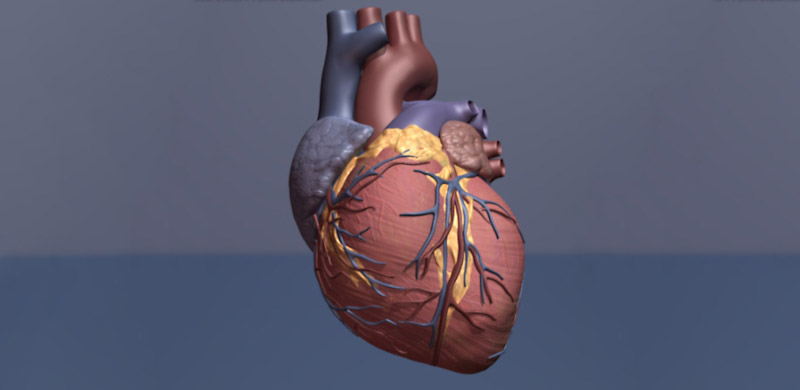
Not taking medications as prescribed because of cost is 3 times more common in people under 65 years of age than in older people covered by Medicare. (American Heart Association)
Insomnia tied to higher risk of Heart Disease, Stroke
September 18, 2019
Dallas, TX – People suffering from insomnia may have an increased risk of coronary artery disease, heart failure and stroke, according to new research in the American Heart Association’s journal Circulation.
Previous observational studies have found an association between insomnia, which affects up to 30% of the general population, and an increased risk of developing heart disease and stroke.

Data from more than a million people found that genetic liability to insomnia may increase the risk of coronary artery disease, heart failure and stroke. (American Heart Association)
Rejected, Unfilled Prescriptions for new, more expensive Cholesterol Drugs tied to higher Heart, Stroke Risk
September 5, 2019
Dallas, TX – Patients appear to be at higher risk of heart problems or stroke when prescriptions for the newest cholesterol-lowering drugs are rejected by insurance companies or unfilled by patients, according to new research in Circulation: Cardiovascular Quality and Outcomes, an American Heart Association journal.
The drugs, PCSK9 inhibitors (PCSK9i), can substantially lower levels of low-density lipoprotein (LDL, the “bad” cholesterol) in the blood.

Prescriptions for the newest – but more expensive – cholesterol-lowering drugs called PCSK9 inhibitors that are not covered by insurance companies or unfilled by patients are related to higher risk of cardiovascular problems for high risk patients. (American Heart Association)
American Heart Association says NASA Astronauts less likely to faint on Earth if they Exercise in Space
September 4, 2019
Findings May Help Others with Fainting Issues
Dallas, TX – Nearly 50 years after man’s first steps on the moon, researchers have discovered a way that may help astronauts spending prolonged time in space come back to Earth on more stable footing, according to new research in the American Heart Association’s journal Circulation.
“One of the biggest problems since the inception of the manned space program has been that astronauts have fainted when they came down to Earth ,” said Benjamin Levine, M.D., the study’s senior author who is professor of Exercise Sciences at UT Southwestern Medical Center and director of the Institute for Exercise and Environmental Medicine at Texas Health Presbyterian Hospital in Dallas.

Former Canadian Astronaut Robert “Bob” Thirsk wearing device which continuously measures blood pressure. (NASA)
American Heart Association says Cardiac arrest among hospitalized patients may be underestimated
August 10, 2019
Dallas, TX – Significantly more patients suffer cardiac arrests in U.S. hospitals each year than previously estimated, according to new research in Circulation: Cardiovascular Quality and Outcomes, an American Heart Association journal.
Cardiac arrest, which occurs when the heart malfunctions and stops beating, is not the same as a heart attack, which occurs when blood flow to the heart is blocked.
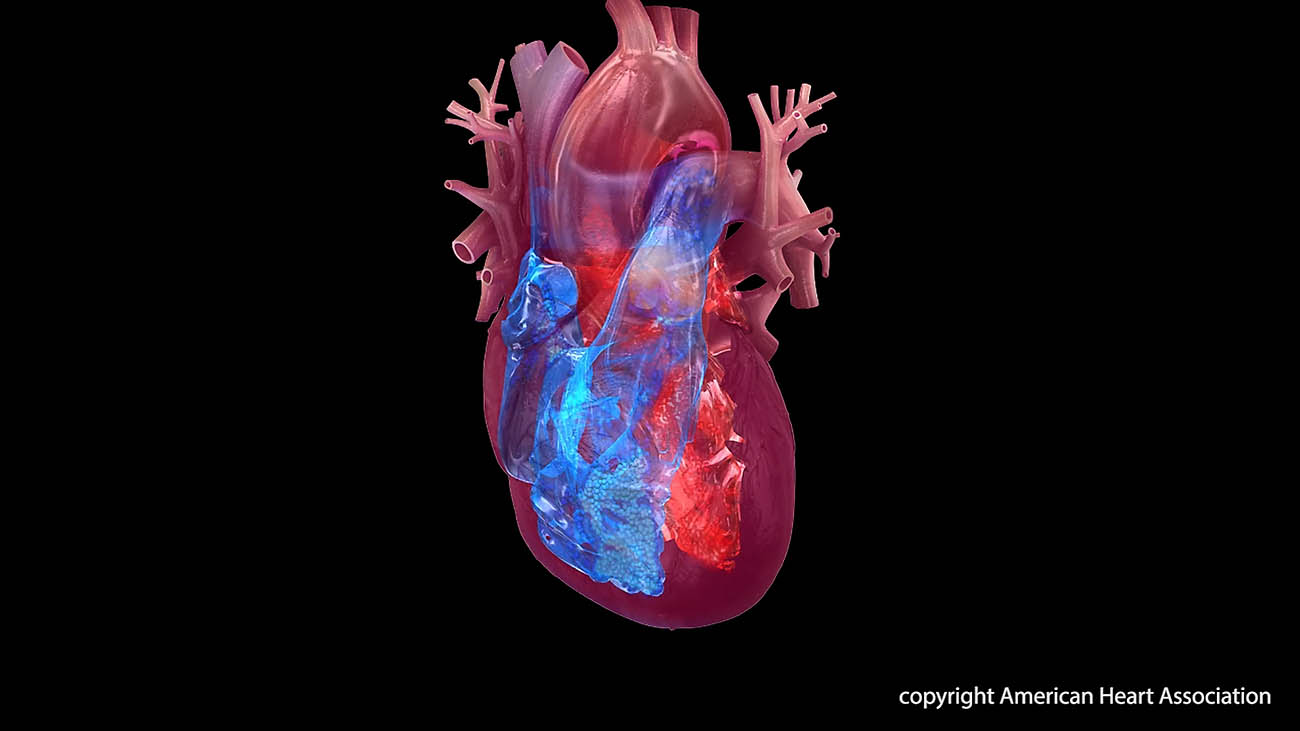
The health burden of in-hospital adult cardiac arrest is about 38% greater than earlier reports and 18% greater for children, according to one study. (American Heart Association)
What is known, not known about Heart Muscle Diseases in Children
June 17, 2019
 Dallas, TX – A new scientific statement from the American Heart Association focuses on Cardiomyopathies (heart muscle diseases) in children and provides insight into the diagnosis and treatment of the diseases as well as identifying future research priorities. It will be published in the American Heart Association’s journal Circulation.

Cardiomyopathies (heart muscle diseases) in children are the focus of a new scientific statement from the American Heart Association that provides insight into the diagnosis and treatment of the diseases as well as identifying future research priorities. (American Heart Association)
Overweight as a Teen may be associated with higher risk of Heart Muscle Disease in Adulthood
June 13, 2019
Dallas, TX – A large study of Swedish men found that those who were even mildly overweight around age 18 were more likely develop cardiomyopathy in adulthood — an uncommon heart muscle condition that can cause heart failure, according to new research in the American Heart Association’s journal Circulation.
The study examined data on height, weight and overall fitness from a Swedish registry of 1,668,893 men who enlisted in compulsory military service between 1969 and 2005, when the men were 18 or 19.
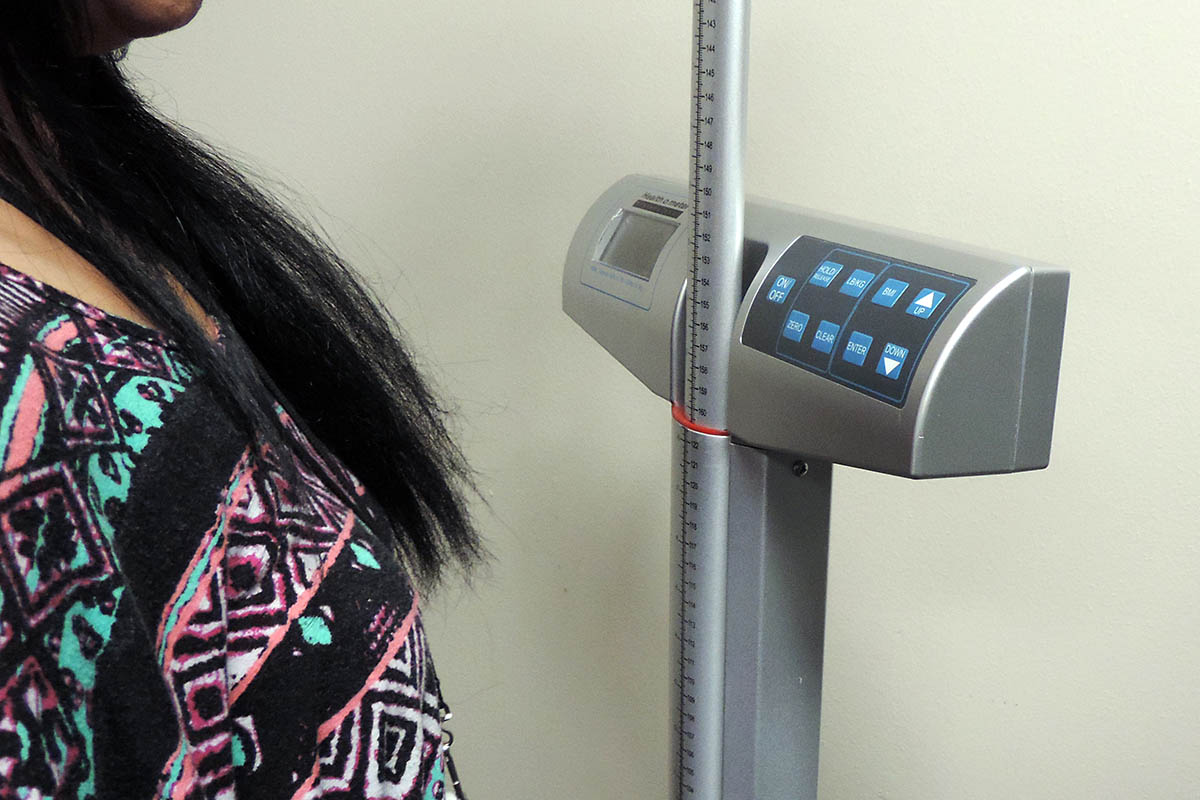
Being overweight may cause higher blood pressure and changes to the heart’s structure, even in young adults. (American Heart Association)
Arsenic in drinking water may change heart structure
June 4, 2019
Dallas, TX – According to new research in Circulation: Cardiovascular Imaging, an American Heart Association journal drinking water that is contaminated with arsenic may lead to thickening of the heart’s main pumping chamber in young adults, a structural change that increases the risk for future heart problems.
Among young adults, drinking water contaminated with arsenic may lead to structural changes in the heart that raise their risk of heart disease. (American Heart Association)
American Heart Association suggests Food system improvements could make it easier to eat healthier
May 29, 2019
Dallas, TX – An American Heart Association science advisory describes system-wide innovations to the U.S. food system that are sustainable and have the potential to make it easier for consumers to choose healthy foods.
The advisory is published in the American Heart Association journal Circulation.

Innovations in producing, processing, distributing, marketing and preparing food are needed to help Americans eat healthier. (American Heart Association)
American Heart Association says Sugar Added Labels on packaged foods, beverages could lower Heart Disease/Diabetes risk, Cut Healthcare Costs
May 20, 2019
Dallas, TX – A new study published in the American Heart Association’s journal Circulation shows a label showing added sugars content on all packaged foods and sugary drinks could have substantial health and cost-saving benefits in the United States over the next 20 years .
Using a validated model, researchers were able to estimate a significant reduction in cardiovascular disease and type 2 diabetes cases from 2018 to 2037, if such a mandated addition to the Nutrition Label was implemented.

Labeling food products and beverages for added sugars could generate substantial health benefits over the next 20 years, potentially preventing nearly 1 million cases of cardiovascular disease and diabetes and lowering healthcare costs. (American Heart Association)


