


Tennessee Department of Health encourages everyone to prevent Heart Attacks
February 26, 2015
 Nashville, TN – The Tennessee Department of Health reminds everyone to make heart health a top priority during American Heart Month and throughout the year. Heart disease is the leading cause of death in the United States and the number one killer of women.
“Heart disease is something everyone should take very seriously, and there are many things we can do to reduce our risk,” said Carolyn Wester, MD, MPH, Deputy Medical Director for the TDH Division of Family Health and Wellness. “If you have symptoms of a heart attack, seek help immediately. Every second counts.”
[youtube]https://www.youtube.com/watch?v=Y1WMbRoMuR0[/youtube] [Read more]
Top 10 Gifts your heart will love for American Heart Month
January 30, 2015
 Nashville, TN – Want to make your heart all warm and happy? Start with this gift list.
February is American Heart Month. And it’s a good time for the American Heart Association’s list of Top 10 Gifts that you can give to your heart to make it healthy and very, very happy.
While heart disease remains the No. 1 killer of Americans and No. 1 killer in the world, it is 80% preventable through steps we can all take.

February is American Heart Month
American Heart Association says High Cholesterol during young adulthood raises Heart Disease Risk
January 28, 2015
Dallas, TX – New research in the American Heart Association’s journal Circulation shows that long-term exposure to elevated cholesterol substantially increases lifetime risk for heart disease. For every ten years you have even mildly elevated cholesterol between the ages of 35 and 55, your risk of heart disease may be increased by nearly 40 percent.
“Our findings suggest that they [adults with longstanding mild to moderately [taken from the manuscript] elevated cholesterol levels] may benefit from more aggressive prevention strategies earlier,” said lead study author Ann Marie Navar-Boggan, M.D., Ph.D, and cardiology fellow at the Duke Clinical Research Institute in Durham, NC. [Read more]
American Heart Association and American Stroke Association – Life is Why
December 19, 2014
Dallas, TX – For the first time in the 50 years that the American Heart Association/American Stroke Association has released an annual snapshot of heart disease and stroke statistics in the U.S., the new report adds a global view.
Health data compiled from more than 190 countries show heart disease remains the No. 1 global cause of death with 17.3 million deaths each year, according to “Heart Disease and Stroke Statistics — 2015 Update: A Report From the American Heart Association.” That number is expected to rise to more than 23.6 million by 2030, the report found.
American Heart Association says Moms’ Pre-Pregnancy Weight impacts risk of dying decades later
November 20, 2014
Chicago, IL – Adults whose mothers were overweight or obese before pregnancy have a dramatically elevated risk of dying from heart disease or stroke, according to a new study presented at the American Heart Association’s Scientific Sessions 2014.
“Excess weight among young women of childbearing age has important implications not only for their own health, but for that of their children as well,” said Michael Mendelson, M.D., S.M., the study’s lead author and a research fellow at the Framingham Heart Study, Boston University and the Boston Children’s Hospital.
Previous studies had shown that people whose mothers were overweight before pregnancy were at higher risk for obesity, diabetes and elevated cholesterol. This study examined whether that translated into higher rates of cardiovascular disease and death. [Read more]
American Heart Association says Long-term benefits of popular Diets are less than evident
November 13, 2014
Dallas, TX – Popular commercial diets can help you lose some weight in the short term, but keeping the weight off after the first year and the diet’s impact on heart health are unclear, according to a study published in Circulation: Cardiovascular Quality and Outcomes, an American Heart Association journal.
Nearly 70 percent of American adults are overweight or obese – and therefore at higher risk for health problems such as heart disease, stroke, high blood pressure and diabetes. Whether a diet will be effective is an important public health question. [Read more]
American Heart Association says Trans Fats still weighing Americans down
October 28, 2014
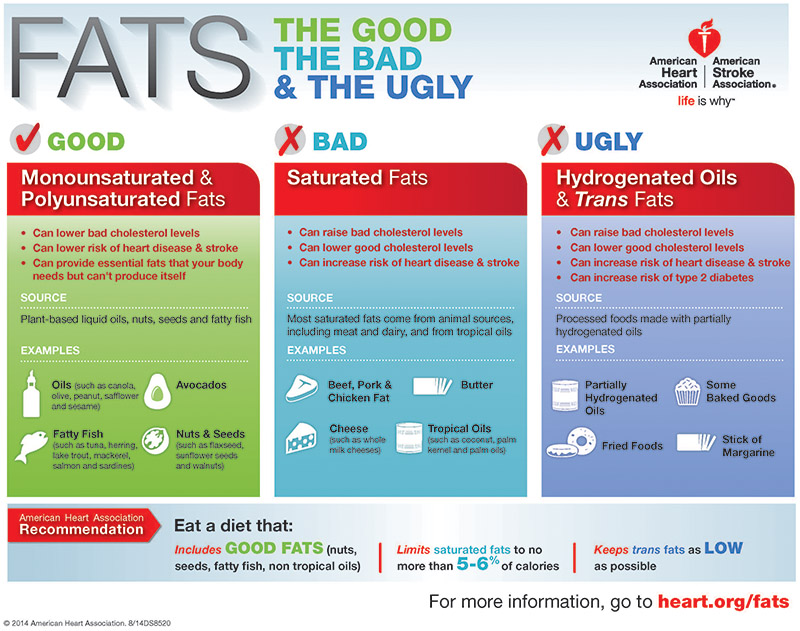
Dallas, TX – Good news, bad news: The amount of trans fats we eat has declined over the last 30 years, but we’re still consuming more than recommended.
In a study reported in the Journal of the American Heart Association, researchers reviewed results from a series of six surveys as part of the Minnesota Heart Survey in 1980-2009.
American Heart Association says Young Hispanics often Obese, at higher risk for Heart Diseases
July 15, 2014
Dallas, TX – Obesity is common among U.S. Hispanics and is severe particularly among young Hispanics, according to research in the Journal of the American Heart Association (JAHA).
The first large-scale data on body mass index (BMI) and cardiovascular disease risk factors among U.S. Hispanic/Latino adult populations suggests that severe obesity may be associated with considerable excess risk for cardiovascular diseases.

Blood pressure cuff. (American Heart Association)
American Heart Association funding new research network aimed at preventing heart disease, stroke
July 10, 2014
Vanderbilt one of four major institutions in network
Dallas, TX – Four major institutions are banding together in a new research network aimed at preventing heart disease and stroke, the two leading causes of death in the world.
The Strategically Focused Prevention Research Network Centers — funded by a $15 million grant from the American Heart Association — is designed to help people live longer, healthier lives. [Read more]
American heart Association says costs to treat Stroke in America may double by 2030
May 31, 2014
Dallas, TX – Sobering news at the end of American Stroke Month: costs to treat stroke are projected to more than double and the number of people having strokes may increase 20 percent by 2030, according to the American Heart Association/American Stroke Association.
In a statement published in Stroke, an American Heart Association journal, the association cites the aging U.S. population as the main reason for the increases and predicts that by 2030. [Read more]


