


American Heart Association says E-cigarettes take serious toll on Heart Health, Not Safer than Traditional Cigarettes
November 13, 2019
 Dallas, TX – According to new research that will be presented at the American Heart Association’s Scientific Sessions 2019, November 16th-18th in Philadelphia, E-cigarette use takes a serious toll on heart health — a big concern given the high prevalence of e-cigarettes and perception of e-cigarettes as a healthier alternative to traditional cigarettes.
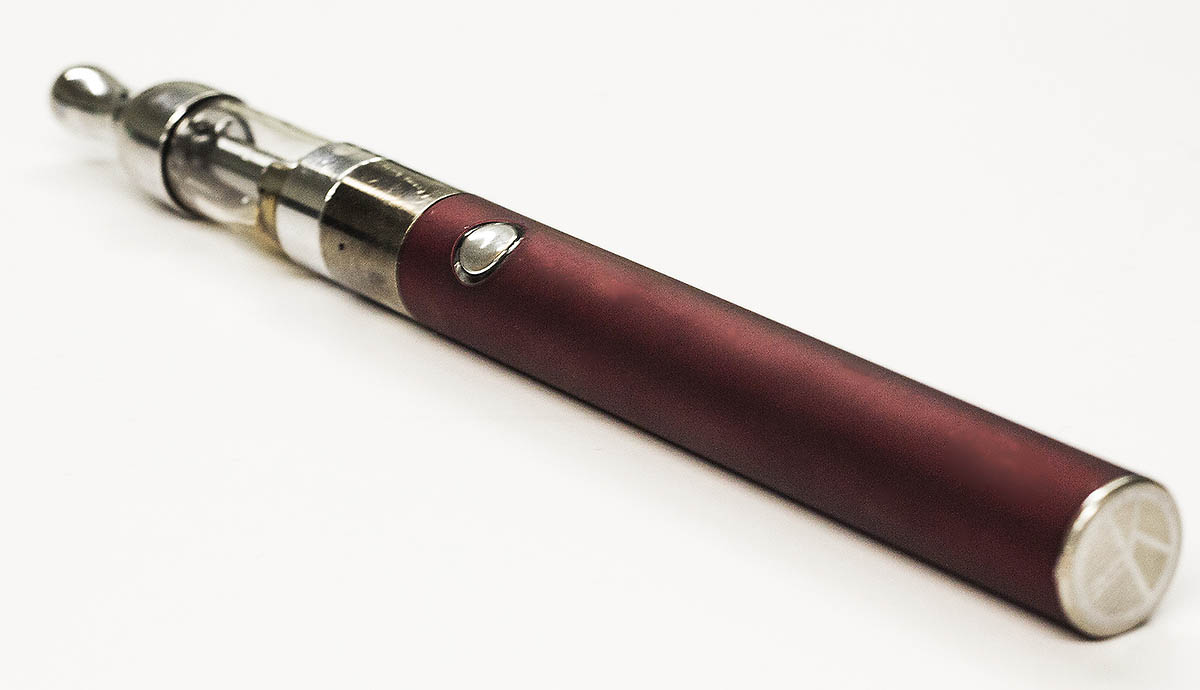
E-cigarettes negatively impact the heart’s blood flow — possibly more chronically so than traditional cigarettes. (American Heart Association)
American Heart Association says Maintaining Weight Loss beneficial for people with Type 2 Diabetes
October 22, 2019
Dallas, TX – According to new research published in the Journal of the American Heart Association, the open access journal of the American Heart Association people with Type 2 diabetes who regained weight forfeited the initial benefits of reduced risk of heart disease or stroke compared to those who maintained their weight loss.
Regaining weight previously lost is common and can deteriorate the initial benefits of lowered heart disease or stroke risks.

Keeping off at least 75% of lost weight sustained or improved the initial benefits. (American Heart Association)
Veterans with Mental Health Conditions have Higher Risk of Heart Disease, Stroke
October 20, 2019
Dallas, TX – According to new research published in Circulation: Cardiovascular Quality and Outcomes, an American Heart Association journal, veterans with specific mental health disorders – depression, psychosis and bipolar disorder – had an increased risk of heart attack, stroke and death from cardiovascular disease.
Veterans with more severe forms of mental health disorders, especially psychotic disorders such as schizophrenia, had the highest cardiovascular risk.
Rejected, Unfilled Prescriptions for new, more expensive Cholesterol Drugs tied to higher Heart, Stroke Risk
September 5, 2019
Dallas, TX – Patients appear to be at higher risk of heart problems or stroke when prescriptions for the newest cholesterol-lowering drugs are rejected by insurance companies or unfilled by patients, according to new research in Circulation: Cardiovascular Quality and Outcomes, an American Heart Association journal.
The drugs, PCSK9 inhibitors (PCSK9i), can substantially lower levels of low-density lipoprotein (LDL, the “bad” cholesterol) in the blood.

Prescriptions for the newest – but more expensive – cholesterol-lowering drugs called PCSK9 inhibitors that are not covered by insurance companies or unfilled by patients are related to higher risk of cardiovascular problems for high risk patients. (American Heart Association)
U.S. soldiers have worse heart health than civilians
July 7, 2019
 Dallas, TX – According to new research in Journal of the American Heart Association, the Open Access Journal of the American Heart Association/American Stroke Association, active duty Army personnel have worse cardiovascular health compared to people of similar ages in the civilian population.
Researchers compared a group of more than 263,000 active duty Army soldiers, age 17-64, who had a health examination in 2012 with a similar group of U.S. civilians participating in the National Health and Nutrition Examination Survey (NHANES) in 2011-2012.

Less than one-third of soldiers studied had ideal blood pressure compared to about half the civilian population. (American Heart Association)
Physically active Women have significantly decreased risk of Heart Disease
March 28, 2019
American Heart Association
Dallas, TX – American Heart Association says women who spent less of their day in sedentary behaviors—sitting or reclining while awake—had a significantly decreased risk of heart disease, but there has been an increase in the incidence of younger women having acute heart attacks in the U.S., according to two studies in a special Go Red for Women issue of the American Heart Association’s journal Circulation, published in February, American Heart Month.
This is the third annual issue of the journal dedicated to research about women and cardiovascular health.
American Heart Association says new WHO findings on physical activity alarming
September 17, 2018
American Heart Association
Dallas, TX – American Heart Association CEO Nancy Brown issued the following comments on the World Health Organization (WHO)’s findings of insufficient physical activity in the world’s adult population.
According to the study, 40 percent of adults in the United States do not get the recommended amount of physical activity.

Increase your physical activity. Adults should do at least 150 minutes of moderate activity daily and children should get at least one hour of activity every day.
American Heart Association says Young, Healthy People still vulnerable to Cardiovascular Disease if their LDL Cholesterol is high
September 9, 2018
American Heart Association Circulation Journal Report
Dallas, TX – Young, healthy people may still face a lifetime risk of premature death from cardiovascular disease if they cannot keep their cholesterol levels in check, according to new observational research in the American Heart Association’s journal Circulation.
Researchers in this latest study looked at associations between low-density lipoprotein-cholesterol (LDL-C) and non-high-density lipoprotein-cholesterol (HDL-C) thresholds and cardiovascular disease (CVD) and coronary heart disease (CHD) mortality to evaluate whether people believed to be at low 10-year risk for heart health problems should begin pursuing efforts to lower elevated cholesterol earlier through lifestyle changes, and in some cases, cholesterol-lowering medication.

A study of more than 36,000 people followed for over two decades revealed that healthy individuals considered “low-risk” still died from cardiovascular disease if they had high low-density lipoprotein (LDL) cholesterol. (Ameircan Heart Association)
Young Binge Drinkers may have Higher Heart Risks
July 14, 2018
Journal of the American Heart Association Report
Dallas, TX – Young adults who frequently binge drink were more likely to have certain risk factors for cardiovascular disease than non-binge drinkers, according to new research in Journal of the American Heart Association, the Open Access Journal of the American Heart Association/American Stroke Association.
“Compared to previous generations, the pervasiveness, intensity (number of drinks) and regularity (several times per week) of binge drinking may place today’s young adult at greater risk for more profound rates of alcohol-attributable harm,” said Mariann Piano, Ph.D., R.N., study lead author and Nancy and Hilliard Travis Chair in Nursing and Senior Associate Dean for Research at Vanderbilt University School of Nursing in Nashville, Tennessee.

Young men who reported that they repeatedly binge drink had higher systolic blood pressure and total cholesterol while young women who repeatedly binge drink had higher blood sugar levels compared to non-binge drinkers. (American Heart Association)
Bariatric Surgery for Severely Obese Teens may help prevent Premature Heart Disease
April 29, 2018
American Heart Association Meeting Report
New Orleans, LA – Bariatric surgery is predicted to cut in half the risk of premature heart disease and stroke in teens with severe obesity, according to preliminary research presented at the American Heart Association’s Epidemiology and Prevention | Lifestyle and Cardiometabolic Health Scientific Sessions 2018, a premier global exchange of the latest advances in population based cardiovascular science for researchers and clinicians.
The researchers used a model based on research from the Framingham Heart Study that predicts the likelihood of heart disease events over a 30-year period.

For teens with severe obesity, the predicted 30-year risk of having a heart disease event, such as a heart attack or stroke, could be cut in half one year after bariatric surgery, according to a modeling study. (American Heart Association)


