


American Heart Association reports Artificial Intelligence examining ECGs predicts Irregular Heartbeat, Death Risk
November 14, 2019
 Dallas, TX – According to two preliminary studies to be presented at the American Heart Association’s Scientific Sessions 2019 — November 16th-18th in Philadelphia, artificial intelligence can examine electrocardiogram (ECG) test results, a common medical test, to pinpoint patients at higher risk of developing a potentially dangerous irregular heartbeat (arrhythmia) or of dying within the next year.
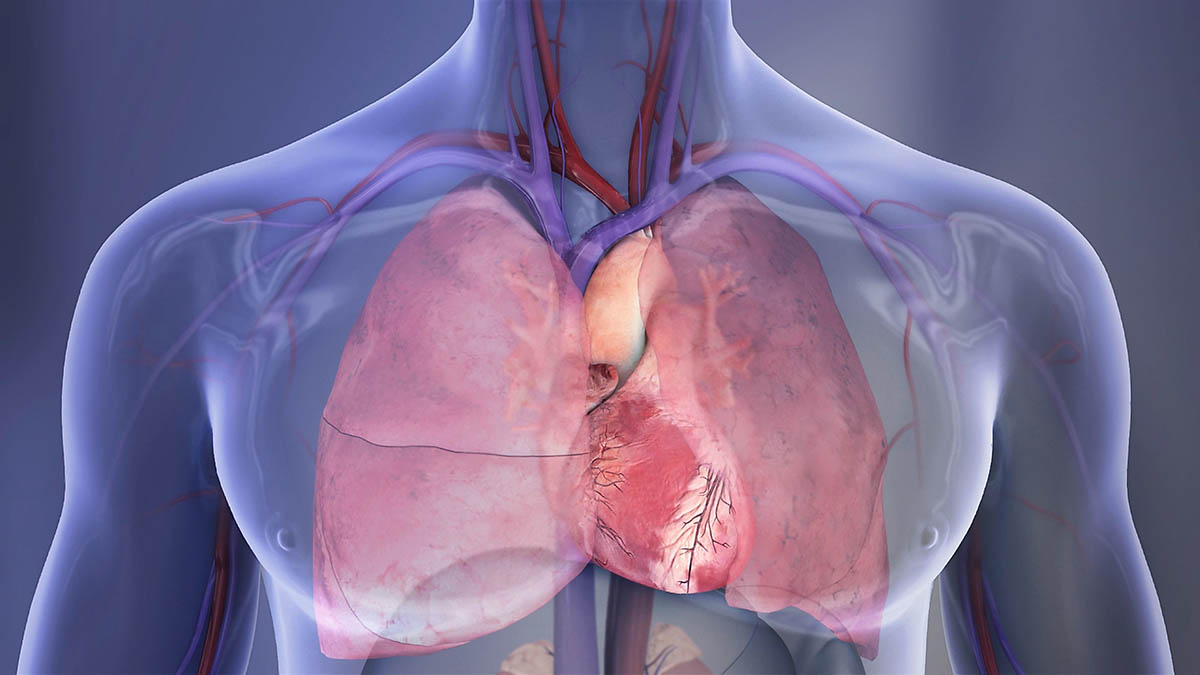
Scientists trained a computer (a neural network or artificial intelligence) to evaluate electrocardiograms (ECGs) to predict which patients are likely to develop an irregular heartbeat – even when doctors interpreted the test results as normal. (American Heart Association)
American Indians may have a higher risk for Irregular Heartbeat
October 27, 2019
Dallas, TX – According to new research published in Circulation, the American Heart Association’s premier cardiovascular research journal, irregular heartbeat or atrial fibrillation (AFib) occurred more often among American Indians than among other racial and ethnic groups, .
AFib affects approximately 2.7 million people in the United States, and it is a serious disorder that can increase the risk for stroke and other cardiovascular diseases.
Atrial fibrillation, also known as irregular heartbeat, occurred more often among American Indians than among other racial and ethnic groups, according to new research. (American Heart Association)
Former NFL Players may face higher risk of Atrial Fibrillation
September 6, 2019
Dallas, TX – Former National Football League players were nearly 6 times more likely to have atrial fibrillation (AFib) compared to men of similar age who did not play professional football, according to new research in Journal of the American Heart Association, the Open Access Journal of the American Heart Association/American Stroke Association.
Former NFL athletes had lower risk factors for cardiovascular disease, including type 2 diabetes and high blood pressure, and had lower resting heart rates compared to the control group, yet the incidence of atrial fibrillation was still higher. (American Heart Association)
When Heart Disease runs in the Family, Exercise may be Best Defense
May 17, 2018
American Heart Association Circulation Journal Report
 Dallas, TX – Exercise may be the best way to keep hearts healthy – and it works even for people with a genetic pre-disposition for heart disease, according to new findings in the American Heart Association’s journal, Circulation.
Data assessed from roughly a half-million people in the UK Biobank database showed that greater grip strength, more physical activity and better cardiorespiratory fitness are all associated with reduced risk for heart attacks and stroke, even among people with a genetic predisposition for heart disease.

As fitness increases, heart risk decreases regardless of genetic risk. (American Heart Association)
Survivors of Childhood Heart Defects may have higher risk of Premature Dementia
March 6, 2018
Circulation Journal Report
Dallas, TX – People born with heart defects who survive into adulthood may be at higher risk of developing dementia, particularly dementia that starts before 65 years of age, according to new research in the American Heart Association’s journal Circulation.
With improved newborn and childhood treatments, more people born with heart defects survive into adulthood. A 2016 study published in Circulation estimated that approximately 1.4 million adults are living with congenital heart defects in the United States.
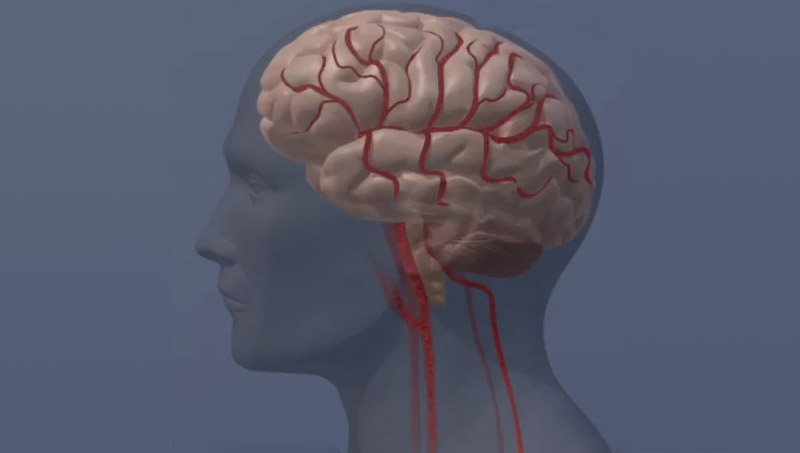
Children born with heart defects are more likely to survive into old age because of improved early treatments, but they may be more likely to develop early-onset dementia than people born without heart defects. (American Heart Association)
Men develop Irregular Heartbeat earlier than Women
October 19, 2017
Circulation Journal Report
Dallas, TX – Men develop a type of irregular heartbeat, known as atrial fibrillation, about a decade earlier than women on average, and being overweight is a major risk factor, according to a large new study published in the American Heart Association’s journal Circulation.
In atrial fibrillation, the upper chambers of the heart, or atria, quiver instead of beat to move blood effectively.
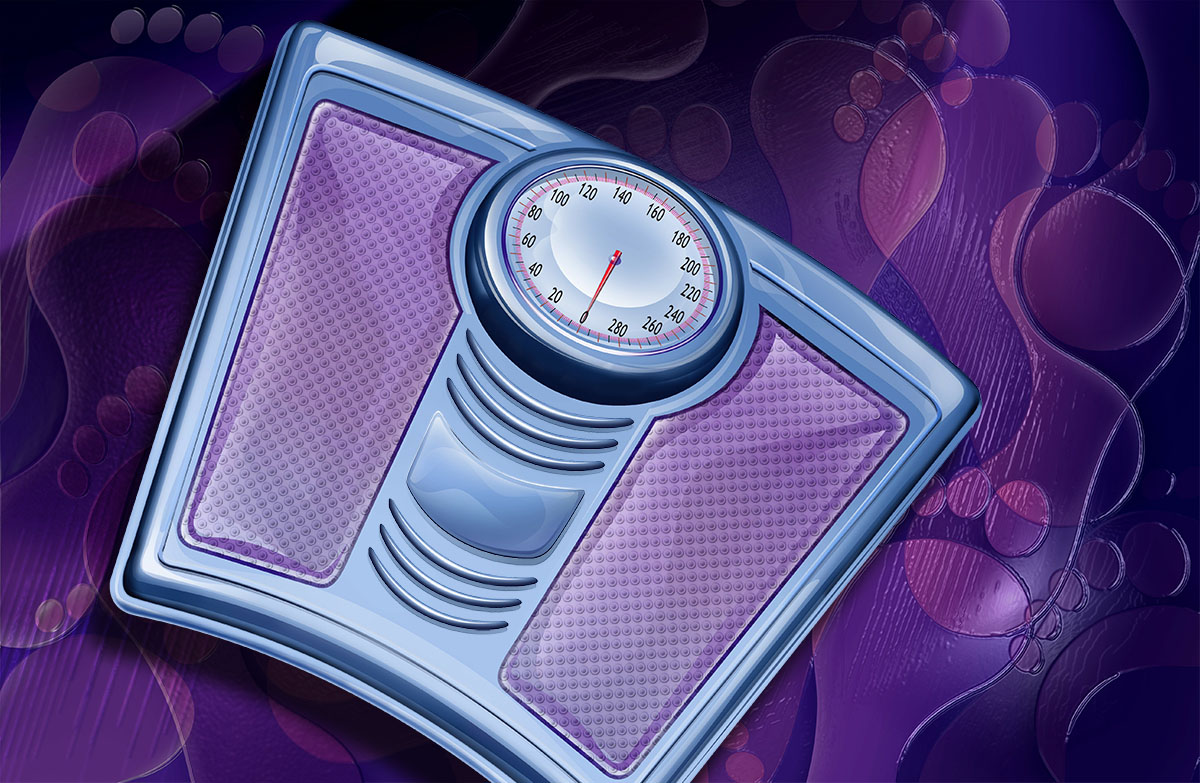
The risk of developing the irregular rhythm known as atrial fibrillation rises with increasing age and weight.
American Heart Association says Fish oil supplements may help prevent death after a heart attack but lack evidence of cardiovascular benefit for the general population
March 14, 2017
American Heart Association Science Advisory
Dallas, TX – Omega-3 fish oil supplements prescribed by a healthcare provider may help prevent death from heart disease in patients who recently had a heart attack and may prevent death and hospitalizations in patients with heart failure, but there is a lack of scientific research to support clinical use of these supplements to prevent heart disease in the general population, according to a new science advisory from the American Heart Association.
“We cannot make a recommendation to use omega-3 fish oil supplements for primary prevention of cardiovascular disease at this time,” said David Siscovick, M.D., M.P.H., chair of the writing committee of the new science advisory published in the American Heart Association journal Circulation.

Omega-3 fish oil supplements prescribed by a healthcare provider may be reasonable for patients who have had a heart attack. (American Heart Association)
American Heart Association reports Overweight and obese people are burdened by cardiovascular disease at younger ages
March 12, 2017
American Heart Association Meeting Report
Portland, OR – People who are overweight or obese may live as long as or less than those of healthy weight, but they experience cardiovascular disease at an earlier age and live longer burdened by the disease, according to research presented at the American Heart Association’s Epidemiology and Prevention / Lifestyle and Cardiometabolic Health 2017 Scientific Sessions.
Overweight and obese people have a higher risk of developing cardiovascular disease in their lifetime. (American Heart Association)
American Heart Association says Pregnancy and heart disease research highlighted in special Women’s-Focus Journal Issue
February 4, 2017
American Heart Association Rapid Access Journal Report
Dallas, TX – Experiencing multiple pregnancies increases a woman’s risk of developing atrial fibrillation later in life, according to new research in the American Heart Association’s journal Circulation, which includes the inaugural Go Red for Women issue.
Atrial fibrillation is an irregular heartbeat that can lead to blood clots, stroke, heart failure and other heart-related complications.
American Heart Association reports Bariatric Surgery may reduce Heart Failure Risk
November 20, 2016
American Heart Association Meeting Report
New Orleans, LA – Bariatric surgery and other treatments that cause substantial weight loss can significantly reduce the risk of heart failure in obese patients, according to preliminary research presented at the American Heart Association’s Scientific Sessions 2016.
Researchers compared 25,804 bariatric surgery patients in a Scandinavian obesity surgery registry to 13,701 Swedish nationwide registry patients who used an intensive structured lifestyle-modification program. Both groups had no history of heart failure before starting treatment and body mass indices greater than 30 and weighed on average 119 kilograms/262.35 pounds before treatment.
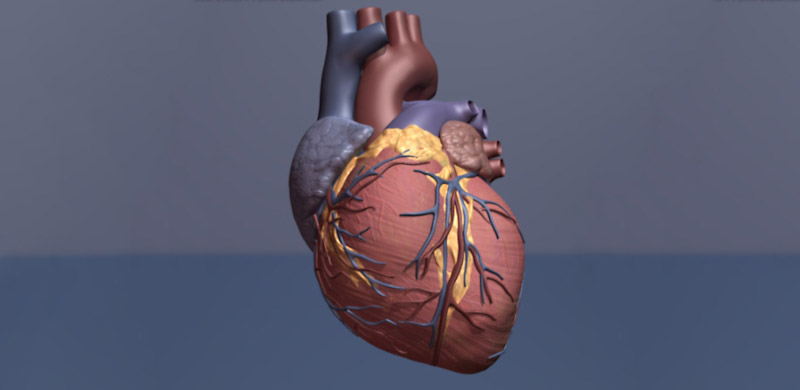
Heart Illustration. (American Heart Association)


