


Tennessee State Veterinarian announces West Nile Virus confirmed in Weakly County
October 27, 2021
 Nashville, TN – Tennessee’s state veterinarian confirms a horse in Weakley County, Tennessee tested positive for West Nile Virus (WNV). The horse was euthanized due to the severity of the case.
WNV is a mosquito-borne virus. Mosquitoes acquire WNV when they feed on infected birds and then spread the virus to people and other animals by biting them.

State Veterinarian Alerts Horse Owners to Case of West Nile Virus in Tennessee
Tennessee State Veterinarian reports West Nile Virus and Equine Infectious Anemia detected in Tennessee
October 6, 2017
Horse Owners Urged to Take Precautions
 Nashville, TN – The Tennessee state veterinarian has announced three new cases of horses sickened by viruses that infect the blood.
A horse in Davidson County and a horse in Knox County recently tested positive for West Nile Virus (WNV). A horse in Bedford County tested positive for equine infectious anemia (EIA). Sick horses cannot directly infect people with WNV or EIA.

Three new cases of horses sickened by viruses that infect the blood have been reported in Tennessee. Sick horses cannot directly infect people with West Nile Virus and Equine Infectious Anemia.
Tennessee Department of Health confirms First Human West Nile Virus case of 2014
June 25, 2014
People Urged to Eliminate Standing Water, Take Precautions during Outdoor Activities
 Nashville, TN – The Tennessee Department of Health has confirmed one human case of West Nile Virus this week, the first human case confirmed in Tennessee in 2014.
The WNV case involves a resident of Shelby County who is now recovering.
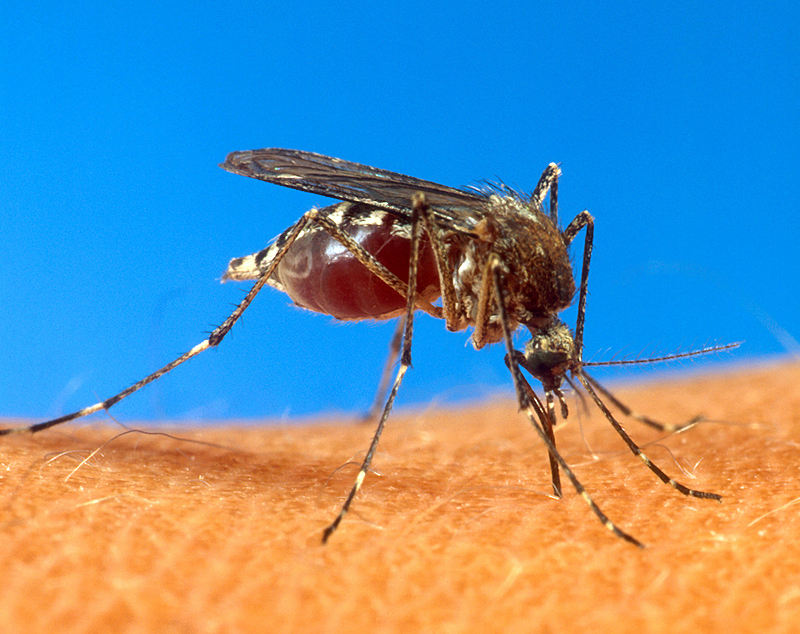
Mosquito populations in Tennessee are at their peak May through October. There is no human vaccine for West Nile Virus; therefore, Tennesseans are urged to take preventive measures to avoid being bitten by infected mosquitoes.
Tennessee Department of Health urges Tennesseans to Follow Mosquito Control Measures
June 15, 2013
 Nashville, TN – Health officials in Davidson, Knox and Shelby Counties have identified batches of mosquitoes testing positive for West Nile virus in 2013, and one human case of WNV has been reported in Tennessee so far this year.
The Department of Health is reminding Tennesseans to take steps to eliminate mosquito habitats and protect themselves from bites from mosquitoes that may transmit the virus.
Tennesseans need to take steps to protect themselves from mosquitoes
Centers for Disease Control and Prevention report West Nile virus cases on the rise
September 13, 2012
 Washington, D.C. – As of September 11th, 2012, 48 states have reported West Nile virus infections in people, birds, or mosquitoes. A total of 2,636 cases of West Nile virus disease in people, including 118 deaths, have been reported to CDC.
Of these, 1,405 (53%) were classified as neuroinvasive disease (such as meningitis or encephalitis) and 1,231 (47%) were classified as non-neuroinvasive disease.

West Nile virus (WNV) activity reported to ArboNET, by state, United States, 2012 (as of September 11th, 2012)
Tennessee Department of Health urges precautions to protect against Illness spread by Mosquito Bites
August 24, 2012
Nashville, TN – Tennessee’s Department of Health and Department of Agriculture are urging Tennesseans, including horse owners and veterinarians, to be on the alert for the re-emergence of viruses transmitted by mosquitoes.
As many states are experiencing one of the largest outbreaks of West Nile virus in recent years, Tennessee is beginning to see cases in humans and horses. In Tennessee, most human WNV cases occur in August and September, and so far this summer, there have been six human cases reported in the state.

A mosquito bites a human


