


U.S. soldiers have worse heart health than civilians
July 7, 2019
 Dallas, TX – According to new research in Journal of the American Heart Association, the Open Access Journal of the American Heart Association/American Stroke Association, active duty Army personnel have worse cardiovascular health compared to people of similar ages in the civilian population.
Researchers compared a group of more than 263,000 active duty Army soldiers, age 17-64, who had a health examination in 2012 with a similar group of U.S. civilians participating in the National Health and Nutrition Examination Survey (NHANES) in 2011-2012.

Less than one-third of soldiers studied had ideal blood pressure compared to about half the civilian population. (American Heart Association)
American Heart Association says short bursts of high-intensity exercise does more for Type 2 Diabetes
November 18, 2015
American Heart Association Meeting Report
Orlando, FL – Short bursts of high-intensity exercise improved cholesterol, blood sugar and weight among Type 2 diabetes patients more than 30 minutes of sustained, lower-intensity exercise, according to research presented at the American Heart Association’s Scientific Sessions 2015.
Researchers found that after three months of high-intensity exercise in 10-minute bursts done three times per day, five days a week, led to an average 0.82 percent decrease in three-month blood sugar patterns compared with just 0.25 percent among those who performed more sustained, lower-intensity exercise also five times per week.

Short bursts of high-intensity exercise improved cholesterol, blood sugar and weight among Type 2 diabetes patients more than 30 minutes of sustained, lower-intensity exercise.(American Heart Association)
American Heart Association says Mobile Technology may help people improve Health Behaviors
August 21, 2015
Dallas, TX – Smartphone applications and wearable sensors have the potential to help people make healthier lifestyle choices, but scientific evidence of mobile health technologies’ effectiveness for reducing risk factors for heart disease and stroke is limited, according to a scientific statement from the American Heart Association, published in the association’s journal Circulation.
The new statement reviewed the small body of published, peer-reviewed studies about the effectiveness of mobile health technologies (mHealth) for managing weight, increasing physical activity, quitting smoking and controlling high blood pressure, high cholesterol and diabetes.

Vegetables at the market. (American Heart Association)
American Heart Association says Blood pressure control, lifestyle changes key to preventing subsequent Strokes
May 10, 2014
Saint Thomas and Vanderbilt support healthy lifestyle as key part of stroke prevention
Dallas, TX – Stroke survivors should control their blood pressure, cholesterol and weight and do moderate physical activity regularly to avoid having another stroke, according to an American Heart Association/American Stroke Association scientific statement.
They should also receive other evidence-based therapy specific to their individual health, which may include aspirin therapy or a surgical procedure to keep neck arteries open.
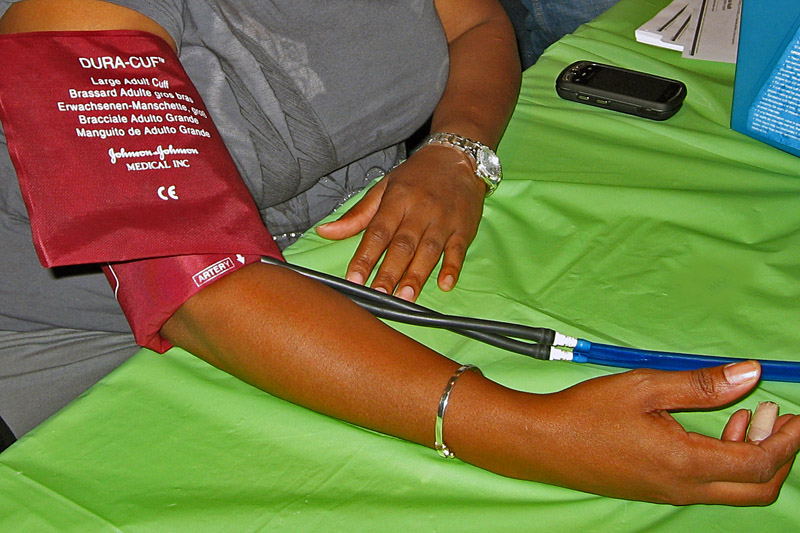
Blood Pressure Check. (American Heart Association)
American Heart Association says breaking a sweat while exercising regularly may help reduce Stroke Risk
July 21, 2013
Stroke is also the 5th leading killer in Tennessee (about 3200 deaths per year).
Dallas, TX – Breaking a sweat while working out regularly may reduce your risk of stroke, according to new research in the American Heart Association journal Stroke.
Regular activity seems to lower stroke risk by reducing blood pressure, weight and blood sugar.

People walking in a park. (American Heart Association)


