


Brain Activity may be predictor of Stress-Related Cardiovascular Risk
August 31, 2017
American Heart Association Rapid Access Journal Report
 Dallas, TX – The brain may have a distinctive activity pattern during stressful events that predicts bodily reactions, such as rises in blood pressure that increase risk for cardiovascular disease, according to new proof-of-concept research in the Journal of the American Heart Association, the Open Access Journal of the American Heart Association/American Stroke Association.
The new research, the largest brain-imaging study of cardiovascular stress physiology to date, introduced a brain-based explanation of why stress might influence a person’s heart health.
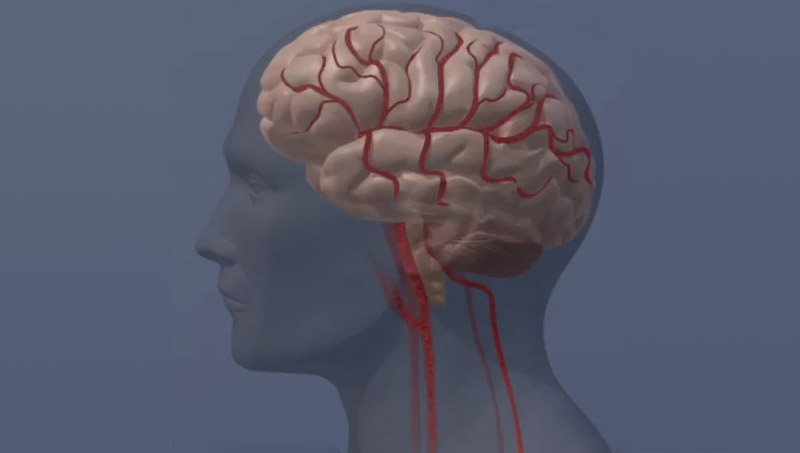
A pattern of brain activity that occurs during psychological stress may predict bodily reactions, such as surges in our blood pressure, that increase risk for cardiovascular disease. (American Heart Association)
American Heart Association says Eating in Social Settings may be greatest temptation for Dieters
March 10, 2017
American Heart Association Meeting Report
Portland, OR – For people trying to lose weight or maintain a lower body weight, the temptation to overeat is stronger when eating in a social setting, according to research presented at the American Heart Association’s Epidemiology and Prevention / Lifestyle and Cardiometabolic Health 2017 Scientific Sessions.
The 12-month study of 150 people (90 percent women) used smartphones and a custom-developed application to capture data as dieters moved through everyday life.
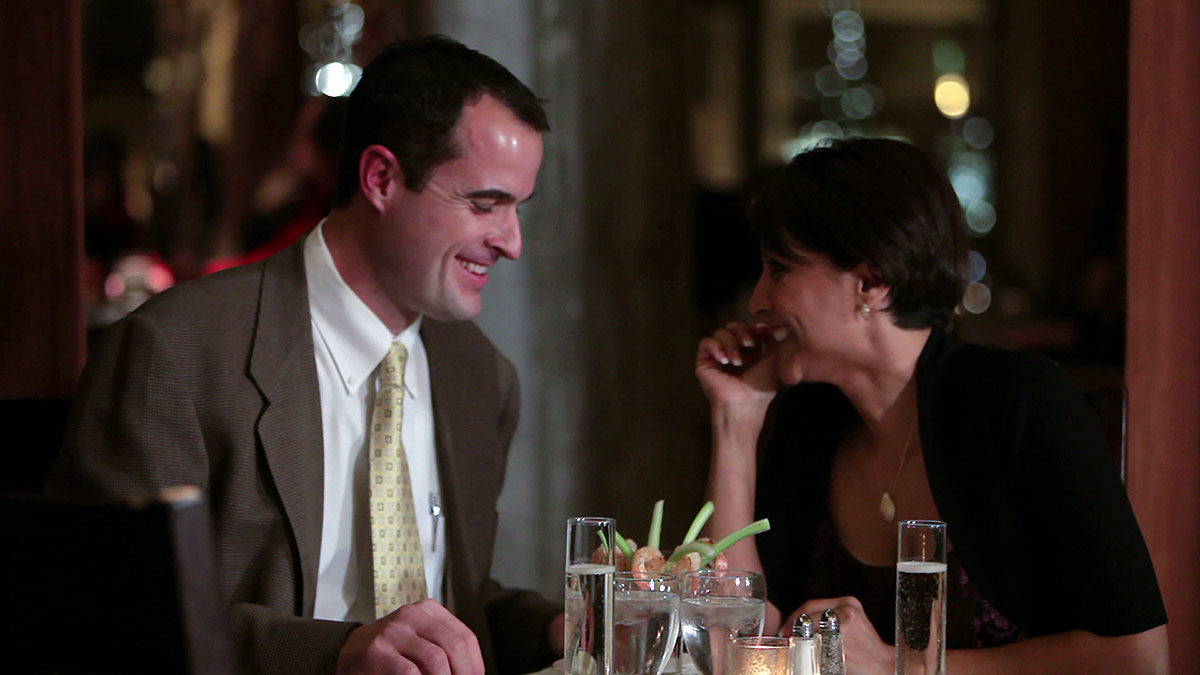
For people trying to lose or maintain weight, the temptation to overeat is stronger when eating in a social setting.
Exercise can significantly improve brain function after stroke according to American Heart Association
March 3, 2017
American Stroke Association Meeting Report
Houston, TX – Structured exercise training can significantly improve brain function in stroke survivors, according to research presented at the American Stroke Association’s International Stroke Conference 2017.
Stroke is the fifth leading cause of death in the United States, and the leading cause of long-term disability. Studies estimate that up to 85 percent of people who suffer a stroke will have cognitive impairments, including deficits in executive function, attention and working memory.
Structured physical activity training after a stroke effectively improves brain function. (American Heart Association)
American Heart Association says Mobile Technology may help people improve Health Behaviors
August 21, 2015
Dallas, TX – Smartphone applications and wearable sensors have the potential to help people make healthier lifestyle choices, but scientific evidence of mobile health technologies’ effectiveness for reducing risk factors for heart disease and stroke is limited, according to a scientific statement from the American Heart Association, published in the association’s journal Circulation.
The new statement reviewed the small body of published, peer-reviewed studies about the effectiveness of mobile health technologies (mHealth) for managing weight, increasing physical activity, quitting smoking and controlling high blood pressure, high cholesterol and diabetes.

Vegetables at the market. (American Heart Association)


