


Fluctuating Personal Income may be associated with an Increased Heart Disease Risk
January 12, 2019
American Heart Association – Circulation Journal Report
 Dallas, TX – Sudden, unpredictable drops in personal income during young adulthood are associated with an increased risk of developing heart disease and/or dying from any cause, according to new research in the American Heart Association’s journal Circulation.
In the United States, the recent rise in income inequality suggests that a larger proportion of the population faces poverty and economic difficulties. In addition, while most people experience some income change, income volatility has been on the rise and has reached a record high level since 1980.
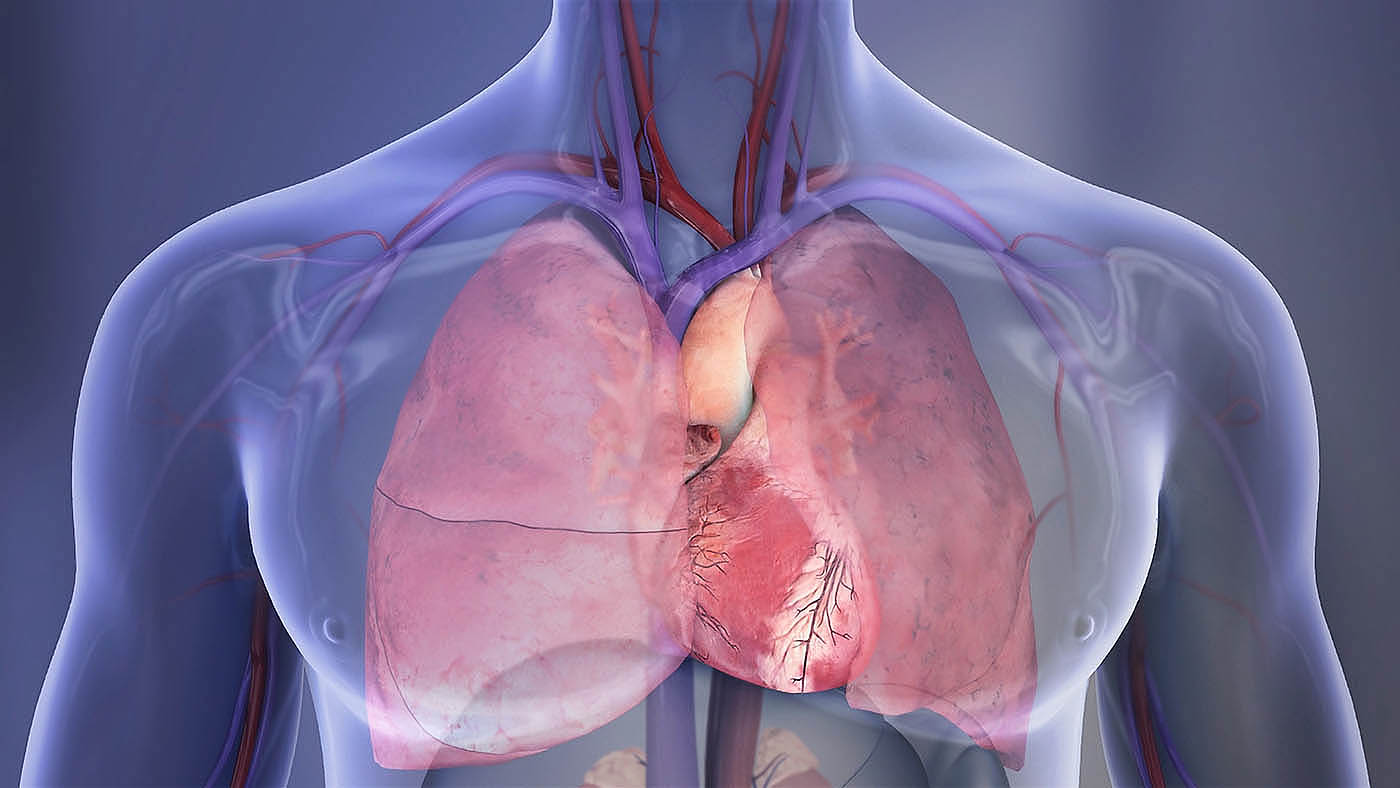
Young adults who had two or more significant drops in income over a 15-year period had nearly double the risk of cardiovascular disease or dying prematurely. (American Heart Association)
Older, Healthy Adults with systolic BP below 140 have Lower Stroke Risk
February 6, 2016
Dallas, TX – Raising the systolic blood pressure threshold from 140 to 150 mmHg, as a new target for high blood pressure treatment in older people who don’t have chronic kidney disease or diabetes, could put this population at greater stroke risk, according to new research in the American Heart Association’s journal Hypertension.
The increased stroke risk is even more pronounced among Hispanics and blacks, the research showed.
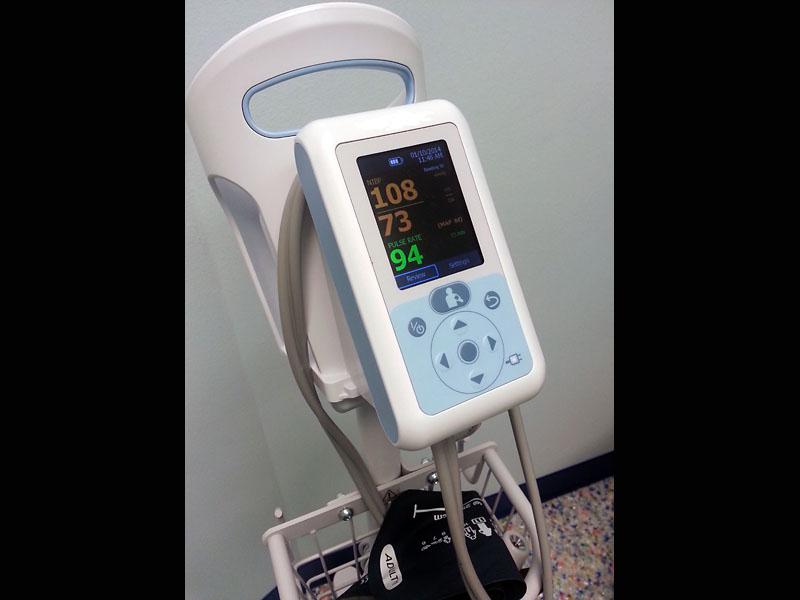
Blood pressure cuff. (American Heart Association)
American Heart Association says Older Migraine Sufferers may have more Silent Brain Injury
May 16, 2014
May is American Stroke Month
 Dallas, TX – Older migraine sufferers may be more likely to have silent brain injury, according to research published in the American Heart Association’s journal Stroke.
In a new study, people with a history of migraine headaches had double the odds of ischemic silent brain infarction compared to people who said they didn’t have migraines.
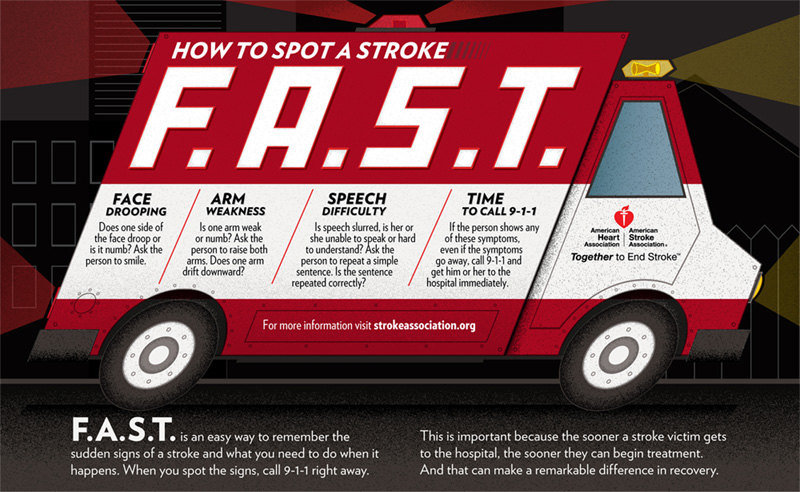
Think FAST
American Stroke Association says common Infections may increase risk for Memory Decline
March 10, 2014
 San Diego, CA – Exposure to common infections is linked to memory and brain function — even if the infections never made you ill, according to research presented at the American Stroke Association’s International Stroke Conference 2014.
Researchers found an index of antibody levels caused by exposure to Chlamydia pneumoniae, Helicobacter pylori, cytomegalovirus, and herpes simplex viruses 1 and 2 was associated with worse cognitive performance, including memory, speed of mental processing, abstract thinking, planning and reasoning ability. [Read more]


