


FDA Coronavirus (COVID-19) Update: April 18th, 2020
April 18, 2020
 Silver Spring MD – The U.S. Food and Drug Administration (FDA) has announced the following actions taken in its ongoing response effort to the COVID-19 Coronavirus pandemic:
The National Institutes of Health (NIH) and the Foundation for the NIH announced a public-private partnership with the FDA and others to speed the development of COVID-19 Coronavirus vaccine and treatment options.
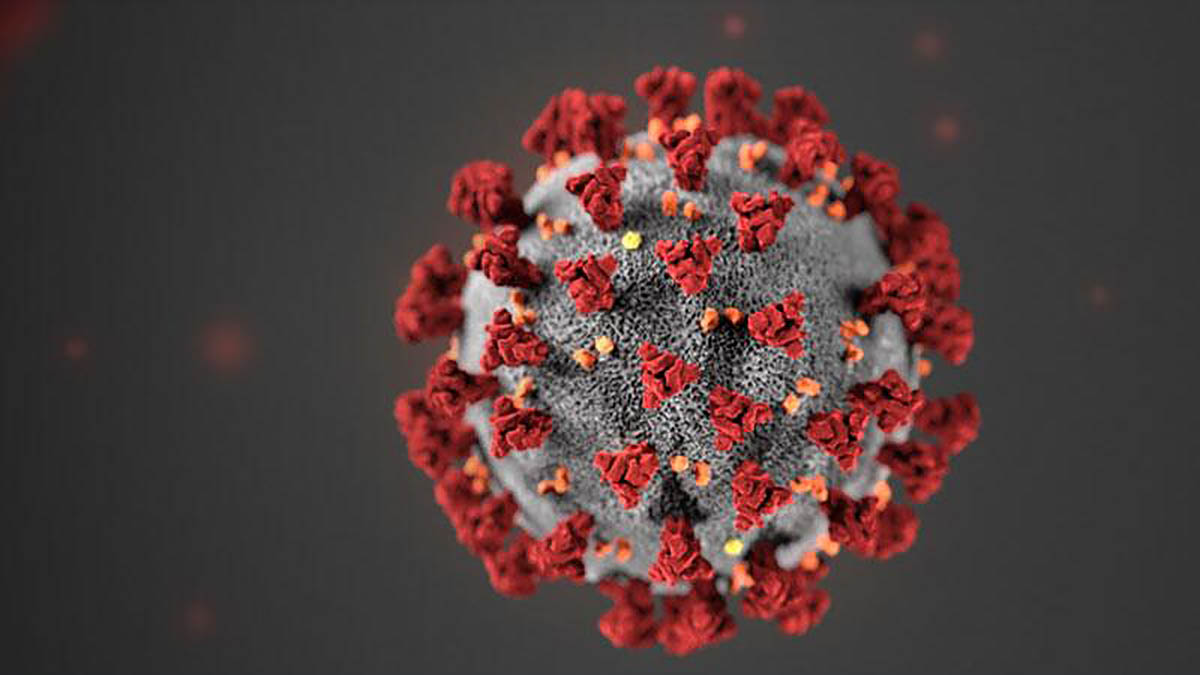
Coronavirus
American Heart Association says Genetically-Modified Probiotic may one day treat Pulmonary Hypertension
September 20, 2016
American Heart Association Meeting Report Abstract 9
 Orlando, FL – An oral, genetically-modified strain of the probiotic Lactobacillus was used to treat rats with high blood pressure in the lungs, which resulted in reduced blood pressure, improved heart contractility, and reduced heart wall thickness, according to a study presented at the American Heart Association’s Council on Hypertension 2016 Scientific Sessions.
High blood pressure in the lungs is known as pulmonary hypertension. In pulmonary hypertension, the heart must work harder to pump blood from the heart through the arteries of the lungs, which puts added strain on the heart.
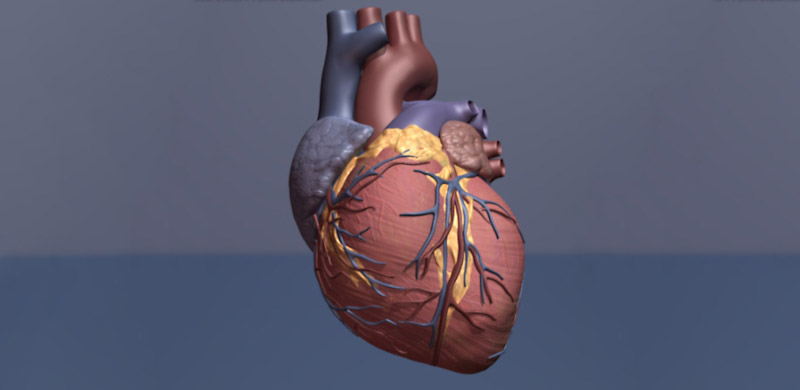
An oral, genetically-modified strain of the probiotic Lactobacillus was used to treat rats with high blood pressure in the lungs, which resulted in reduced blood pressure, improved heart contractility, and reduced heart wall thickness. (American Heart Association)
American Heart Association reports Dispatcher-assisted CPR increases Survival among Children
May 27, 2014
Dallas, TX – Children who suffer cardiac arrest outside the hospital are more likely to survive and have good brain function if dispatchers instruct bystanders on CPR, according to a large Japanese study published in Journal of the American Heart Association.
“Dispatcher-assisted bystander CPR increased bystander CPR delivery rate and was associated with improved one-month favorable neurological and overall outcome compared to no bystander CPR,” said Yoshikazu Goto, M.D., Ph.D., the study’s lead author and director of the section of Emergency Medicine at Kanazawa University Hospital in Kanazawa, Japan. “Survival rates increased from 8 percent to 12 percent with bystander CPR and dispatcher instruction, a significant difference.”
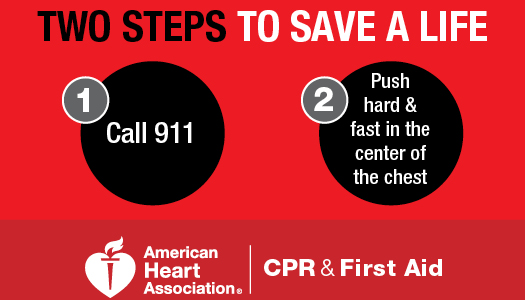
Hands-Only™ CPR has just two easy steps: If you see a teen or adult suddenly collapse, (1) Call 9-1-1 and (2) Push hard and fast in the center of the chest to the beat of the disco song “Stayin’ Alive.” The American Heart Association’s Hands-Only™ CPR at this beat can more than double or triple a person’s chances of survival. (American Heart Association – CPR & First Aid)


