


Overweight as a Teen may be associated with higher risk of Heart Muscle Disease in Adulthood
June 13, 2019
 Dallas, TX – A large study of Swedish men found that those who were even mildly overweight around age 18 were more likely develop cardiomyopathy in adulthood — an uncommon heart muscle condition that can cause heart failure, according to new research in the American Heart Association’s journal Circulation.
The study examined data on height, weight and overall fitness from a Swedish registry of 1,668,893 men who enlisted in compulsory military service between 1969 and 2005, when the men were 18 or 19.
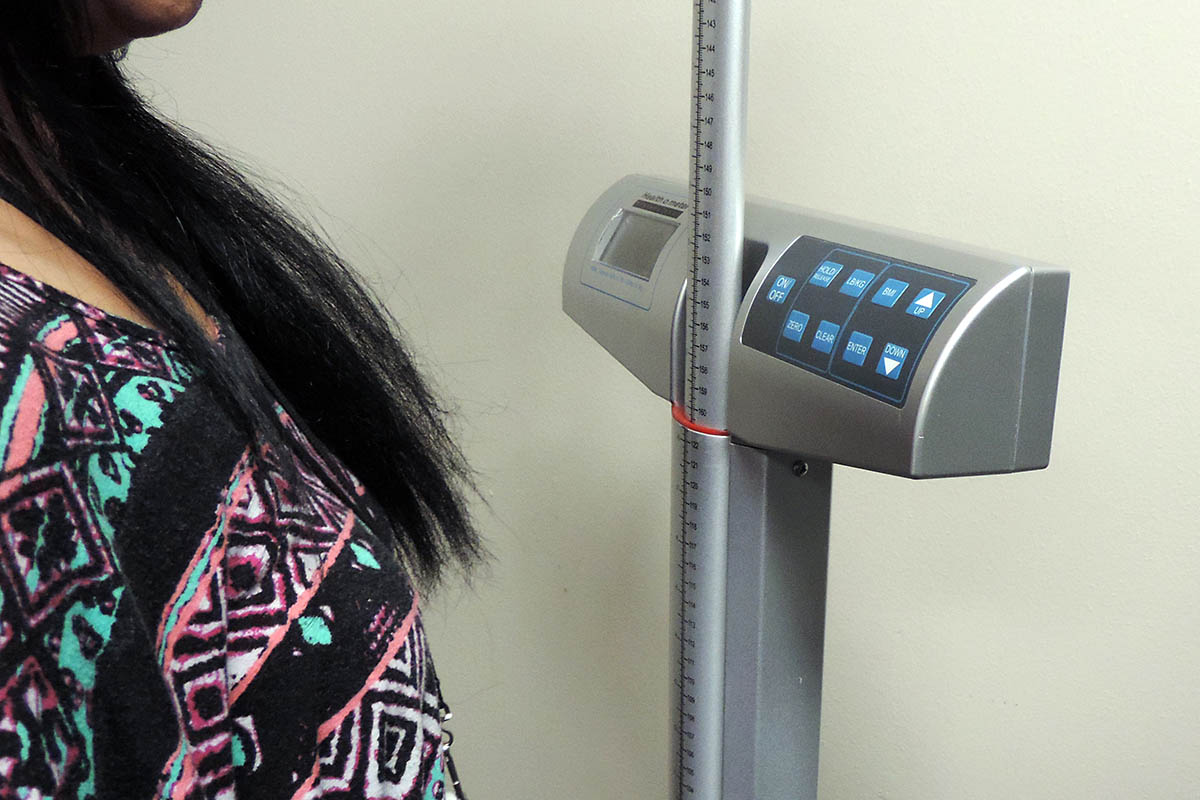
Being overweight may cause higher blood pressure and changes to the heart’s structure, even in young adults. (American Heart Association)
Consumer Reports Looks at Risky Drivers; Names Best Car Choices for Teens & Seniors
September 1, 2012
 Yonkers, NY – While they stand at opposite ends of the demographic spectrum, and both groups include many good drivers, statistics show that overall teenagers and older drivers are involved in far more crashes and highway fatalities than any other age group, according to a special report by Consumer Reports.
For its latest investigation, Consumer Reports reviewed government and industry data. Mile for mile, the crash rate for drivers ages 16 and 17, for example, is almost nine times as high as that for middle-aged drivers. People 80 and older are involved in 5.5 times as many fatal crashes per mile driven as middle-aged drivers. [Read more]
U.S. Consumer Product Safety Commission Sues Maxfield & Oberton Over Hazardous Buckyballs® and Buckycube™ Desk Toys
July 30, 2012
Action Prompted by Ongoing Harm to Children from Ingested Magnets
 Washington, D.C. – In an effort to prevent children from suffering further harm, U.S. Consumer Product Safety Commission (CPSC) staff filed an administrative complaint against Maxfield & Oberton Holdings LLC, of New York, NY, alleging that Buckyballs and Buckycubes contain a defect in the design, packaging, warnings, and instructions, which pose a substantial risk of injury to the public.
The Commission voted 3-1 to approve the filing of the complaint, which seeks, among other things, an order that the firm stops selling Buckyballs and Buckycubes, notify the public of the defect, and offer consumers a full refund.
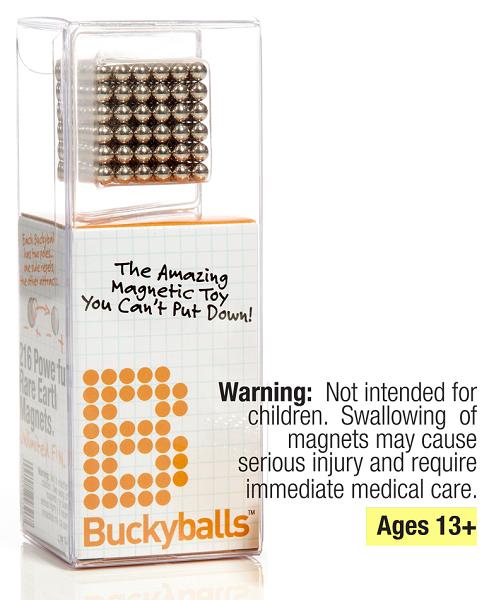
Buckyballs® High Powered Magnets Sets that were Recalled by Maxfield and Oberton in May 2010.
Click It or Ticket Enforcement to Boost Seat Belt Use – Day and Night
May 11, 2012
 Nashville, TN – Motorists who refuse to wear their seat belts – Beware! The 2012 Tennessee Click It or Ticket seat belt enforcement mobilization kicks off May 11th to help save lives by cracking down on those who don’t buckle up. It will kick off nationally on May 21st, 2012.
The Governor’s Highway Safety Office is joining with other state and local law enforcement officers and highway safety advocates across the country to help save more lives by strongly enforcing seat belt laws around the clock. [Read more]
Teen Sleep Habits What Should You Do?
October 17, 2011
What Should You Do?
 Washington, D.C. – Almost 70 percent of high school students are not getting the recommended hours of sleep on school nights, according to a study by the Centers for Disease Control and Prevention.
The National Sleep Foundation recommends that teenagers receive between 8.5 hours and 9.25 hours each night
Researchers found insufficient sleep (< 8 hours on an average school night) to be associated with a number of unhealthy activities, such as: [Read more]
High sugar consumption may increase risk factors for heart disease in American teenagers
January 13, 2011
Dallas, TX – Teenagers who consume a lot of added sugars in soft drinks and foods may have poor cholesterol profiles — which may possibly lead to heart disease in adulthood, according to first-of-its-kind research reported in Circulation: Journal of the American Heart Association.
“Added sugars” are any caloric sweeteners added to foods or beverages by the manufacturer during processing or the consumer.
The National Health and Nutrition Survey (NHANES) of 2,157 teenagers (ages 12 to 18) found the average daily consumption of added sugars was 119 grams (28.3 tsp or 476 calories), accounting for 21.4 percent of their total energy.

Less salt in teenagers’ diet may improve heart health in adulthood
November 16, 2010
 Chicago, IL – Eating smaller amounts of salt each day as a teenager could reduce high blood pressure, heart disease and stroke in adulthood, according to research presented at the American Heart Association’s Scientific Sessions 2010.
Conducting a sophisticated computer modeling analysis, researchers projected the nationwide health effects of a 3-gram reduction in dietary salt from processed foods consumed by adolescent boys and girls.
Teenagers eat more salt each day — more than 9 grams (3,800 milligrams of sodium) — than any other age group, researchers said. The American Heart Association recommends no more than 1,500 milligrams of sodium per day for most Americans. [Read more]


