


Young Binge Drinkers may have Higher Heart Risks
July 14, 2018
Journal of the American Heart Association Report
 Dallas, TX – Young adults who frequently binge drink were more likely to have certain risk factors for cardiovascular disease than non-binge drinkers, according to new research in Journal of the American Heart Association, the Open Access Journal of the American Heart Association/American Stroke Association.
“Compared to previous generations, the pervasiveness, intensity (number of drinks) and regularity (several times per week) of binge drinking may place today’s young adult at greater risk for more profound rates of alcohol-attributable harm,” said Mariann Piano, Ph.D., R.N., study lead author and Nancy and Hilliard Travis Chair in Nursing and Senior Associate Dean for Research at Vanderbilt University School of Nursing in Nashville, Tennessee.

Young men who reported that they repeatedly binge drink had higher systolic blood pressure and total cholesterol while young women who repeatedly binge drink had higher blood sugar levels compared to non-binge drinkers. (American Heart Association)
American Heart Association says In-Womb Air Pollution Exposure associated with Higher Blood Pressure in Childhood
May 25, 2018
Hypertension Journal Report
Dallas, TX – Children who were exposed to higher levels of air pollution during the third trimester of their mother’s pregnancy had a higher risk of elevated blood pressure in childhood, according to new research in the American Heart Association’s journal Hypertension.
Fine particulate matter of 2.5 microns or less (PM2.5) is a form of air pollution produced by motor vehicles and the burning of oil, coal and biomass, and has been shown to enter the circulatory system and negatively affect human health.

Children who were exposed to higher levels air pollution while in the womb had a higher risk of elevated blood pressure in childhood. (American Heart Association)
Men develop Irregular Heartbeat earlier than Women
October 19, 2017
Circulation Journal Report
Dallas, TX – Men develop a type of irregular heartbeat, known as atrial fibrillation, about a decade earlier than women on average, and being overweight is a major risk factor, according to a large new study published in the American Heart Association’s journal Circulation.
In atrial fibrillation, the upper chambers of the heart, or atria, quiver instead of beat to move blood effectively.
The risk of developing the irregular rhythm known as atrial fibrillation rises with increasing age and weight.
American Heart Association says Preterm Birth leads to Smaller Kidneys, Higher Blood Pressure in Adulthood
September 25, 2016
American Heart Association Meeting Report Abstract 134
Orlando, FL – Premature birth cuts short kidney development, resulting in smaller kidney size and higher blood pressure in adulthood, according to a study presented at the American Heart Association’s Council on Hypertension 2016 Scientific Sessions.
“Adults born preterm may not present with the ‘classical’ risk factors for heart disease, but they are at increased risk of hypertension and insulin resistance and certainly require regular medical follow-up,” said Anne Monique Nuyt, M.D., senior author of the study and head of the division of neonatology at the Sainte-Justine University Hospital and Research Center of the University of Montreal, Canada.

Being born extremely early leads to smaller kidneys and higher blood pressure in adulthood. (American Heart Association)
Lowering blood pressure’s top number could prevent 100,000-plus deaths a year
September 21, 2016
American Heart Association Meeting Report Abstract 241
Orlando, FL – More than 100,000 deaths could be prevented annually if adults with specific common risk factors for heart disease would engage in an intensive program to lower systolic blood pressure, the top number in your blood pressure reading, according to a study presented at the American Heart Association’s Council on Hypertension 2016 Scientific Sessions.
Researchers used the findings from the Systolic Blood Pressure Intervention Trial (SPRINT). which was released in 2015.
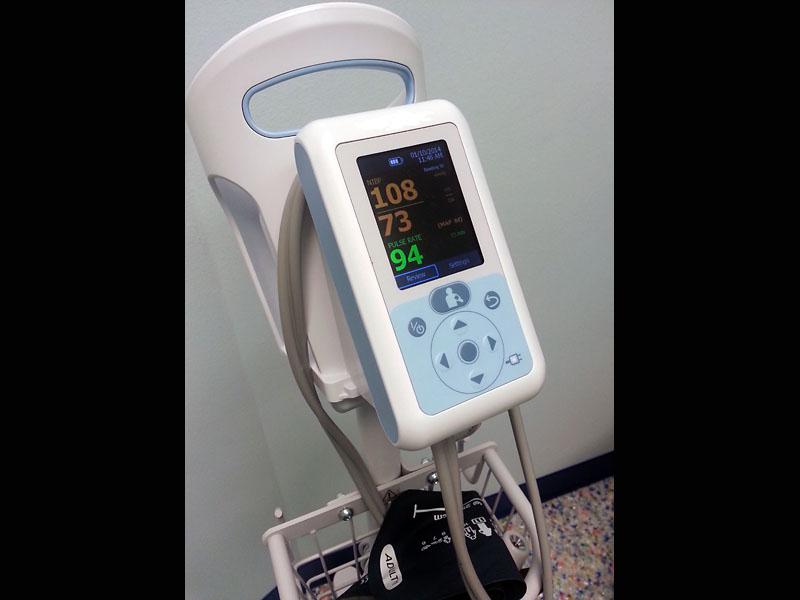
Blood pressure cuff. (American Heart Association)
American Heart Association says Blood Glucose Health is decreasing in Obese Adults; increasing risks for Type 2 Diabetes, Cardiovascular Complications
July 14, 2016
American Heart Association Rapid Access Journal Report
Dallas, TX – Blood glucose health is deteriorating in obese adults, despite overall progress in lowering blood pressure and cholesterol levels, which may raise the risk of Type 2 diabetes and cardiovascular complications, according to new research in Journal of the American Heart Association, the Open Access Journal of the American Heart Association/American Stroke Association.
Researchers said their findings suggest that controlling weight in obese adults to reduce the risk of developing Type 2 diabetes should be a public health priority. (American Heart Association)
American Heart Association reports High Blood Pressure linked to short, long-term exposure to some Air Pollutants
June 1, 2016
American Heart Association Rapid Access Journal Report
Dallas, TX – Both short- and long-term exposure to some air pollutants commonly associated with coal burning, vehicle exhaust, airborne dust and dirt are associated with the development of high blood pressure, according to new research in the American Heart Association’s journal Hypertension.
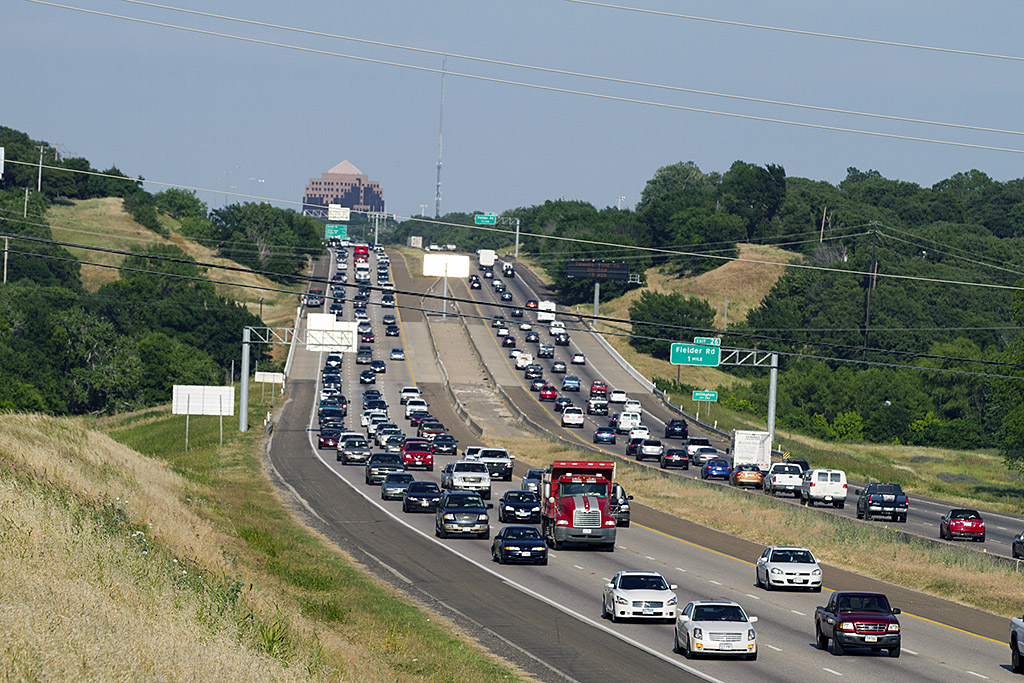
High blood pressure was associated with short-term and long-term exposure to some air pollutants commonly associated with the burning / combustion of fossil fuels, dust and dirt. (American Heart Association)
American Heart Association says Blood pressure over time may better predict Stroke, Death Risk
May 10, 2016
American Heart Association Rapid Access Journal Report
Dallas, TX – Knowing the path of a person’s blood pressure from middle age onward may help doctors better assess the health risks posed by high blood pressure and could lead to earlier interventions to prevent stroke and other diseases linked to high blood pressure, according to new research in the American Heart Association’s journal Hypertension.
“We already know that high blood pressure is the biggest risk factor for stroke and that in people aged 50 to 75, it can change in a couple years’ time,” said M. Arfan Ikram, M.D., Ph.D, senior study author and associate professor of neuroepidemiology at Erasmus University Medical Center in Rotterdam, the Netherlands.
Blood pressure cuff. (American Heart Association)
Older, Healthy Adults with systolic BP below 140 have Lower Stroke Risk
February 6, 2016
Dallas, TX – Raising the systolic blood pressure threshold from 140 to 150 mmHg, as a new target for high blood pressure treatment in older people who don’t have chronic kidney disease or diabetes, could put this population at greater stroke risk, according to new research in the American Heart Association’s journal Hypertension.
The increased stroke risk is even more pronounced among Hispanics and blacks, the research showed.
Blood pressure cuff. (American Heart Association)
American Heart Association says Prehypertension in late Pregnancy linked with underweight Newborns, Stillbirths
February 4, 2016
American Heart Association Rapid Access Journal Report
Dallas, TX – Women who develop prehypertension late in pregnancy may be more likely to give birth to underweight or stillborn babies than women whose blood pressure remains normal, according to new research in the American Heart Association’s journal Hypertension.
Prehypertension is a systolic pressure (the top number) between 120-129 millimeters of mercury (mm Hg) or a diastolic pressure (the bottom number) between 80-89 mm Hg, or both.
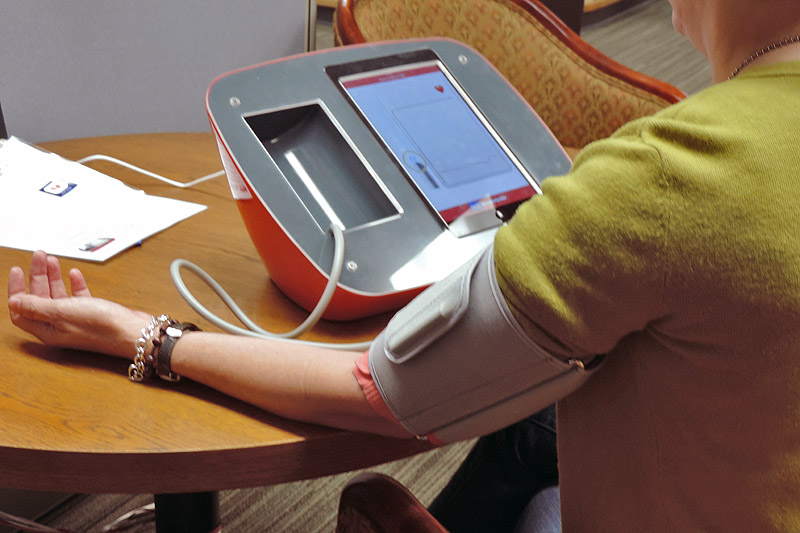
Blood pressure monitoring. (American Heart Association)


