American Heart Association says Leading Health Organizations Support First-Ever Consensus Recommendations to Encourage Young Children’s Consumption of Healthy Drinks
October 15, 2019
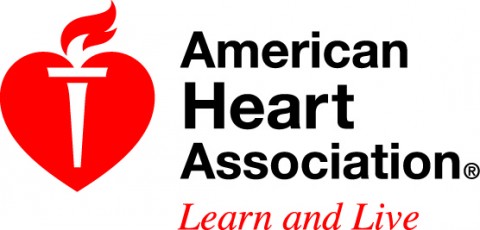 Princeton, NJ – The American Heart Association says leading medical and nutrition organizations recommend breast milk, infant formula, water, and plain milk as part of a new set of comprehensive beverage recommendations for children, outlined by age (birth through age 5).
American Heart Association says Sugar Added Labels on packaged foods, beverages could lower Heart Disease/Diabetes risk, Cut Healthcare Costs
May 20, 2019
 Dallas, TX – A new study published in the American Heart Association’s journal Circulation shows a label showing added sugars content on all packaged foods and sugary drinks could have substantial health and cost-saving benefits in the United States over the next 20 years .
Using a validated model, researchers were able to estimate a significant reduction in cardiovascular disease and type 2 diabetes cases from 2018 to 2037, if such a mandated addition to the Nutrition Label was implemented.

Labeling food products and beverages for added sugars could generate substantial health benefits over the next 20 years, potentially preventing nearly 1 million cases of cardiovascular disease and diabetes and lowering healthcare costs. (American Heart Association)
American Heart Association reports Sugary drinks may be associated with an increased risk of Death from Cardiovascular Diseases
May 4, 2019
Dallas, TX – According to new research in the American Heart Association’s journal Circulation, frequently drinking sugar-sweetened drinks, such as sodas and sports drinks, was associated with an increased risk of death from cardiovascular diseases and, to a lesser extent, cancers.
Among study participants the risk of death rose as people drank more sugar-sweetened drinks.

There was an association among people who drank the most sugary drinks and an increased risk of cardiovascular disease and other causes of death. (American Heart Association)
Meal planning, timing, may impact heart health according to American Heart Association
January 31, 2017
American Heart Association Scientific Statement
Dallas, TX – Planning when to eat meals and snacks and not skipping breakfast, are patterns associated with healthier diets, which could reduce cardiovascular disease risk, according to a new scientific statement published in the American Heart Association journal Circulation.
The statement provides a snapshot of the current scientific evidence suggesting when and how often people eat may impact risk factors for heart attack, stroke, or other cardiac or blood vessel diseases.

Planning and timing meals and snacks, such as not skipping breakfast and allocating more calories earlier in the day, might help reduce cardiovascular disease risk. (American Heart Association)
Inherited Taste Perceptions may explain why some people eat too much Salt
November 16, 2016
American Heart Association Meeting Report
New Orleans, LA – Inherited differences in taste perceptions may help explain why some people eat more salt than recommended, according to preliminary research presented at the American Heart Association’s Scientific Sessions 2016.
“Genetic factors that influence taste aren’t necessarily obvious to people, but they can impact heart health by influencing the foods they select,” said lead author Jennifer Smith, B.S.N., R.N., a Ph.D. student at the University of Kentucky College of Nursing.
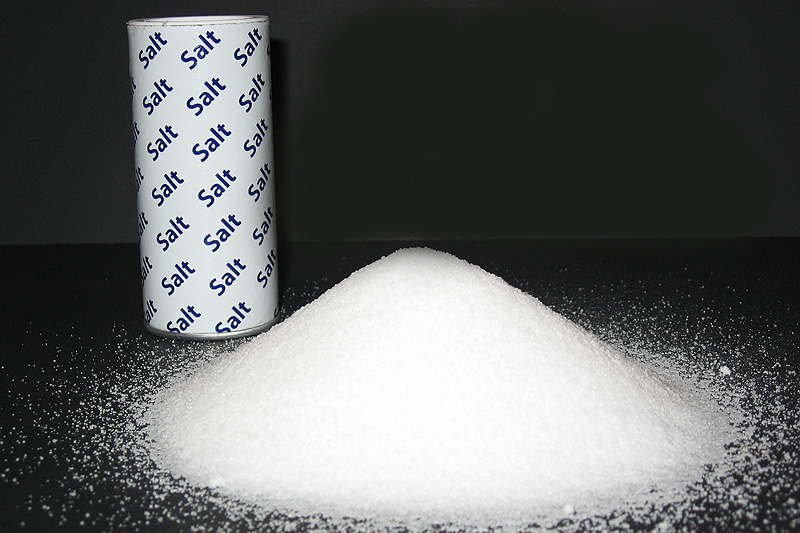
Reduction in Salt Consumption Recommended. (Copyright American Heart Association)
Tennessee Department of Health says Nonalcoholic Fatty Liver Disease a Silent, Slow-Acting Killer
September 28, 2016
Lifestyle Changes Could Prevent Disease from Occurring, Save Lives
 Nashville, TN – Healthcare professionals are seeing evidence of a troubling new epidemic: nonalcoholic fatty liver disease, a potentially fatal condition that can follow a lifestyle of too little physical activity and a high-calorie diet with too much sugar.
The disease develops gradually as extra fat accumulates in the liver, usually has no early warning signs and causes irreversible harm to one of the body’s most important organs.

Children should eat less than 25 grams of added sugars daily according to American Heart Association
August 27, 2016
American Heart Association Scientific Statement
 Dallas, TX – Children ages 2 to 18 should eat or drink less than six teaspoons of added sugars daily, according to the scientific statement recommending a specific limit on added sugars for children, published in the American Heart Association journal Circulation.
Six teaspoons of added sugars is equivalent to about 100 calories or 25 grams.
“Our target recommendation is the same for all children between the ages of 2 and 18 to keep it simple for parents and public health advocates,” said Miriam Vos, M.D., Ms.P.H, lead author, nutrition scientist and associate professor of pediatrics at Emory University School of Medicine in Atlanta, Georgia.
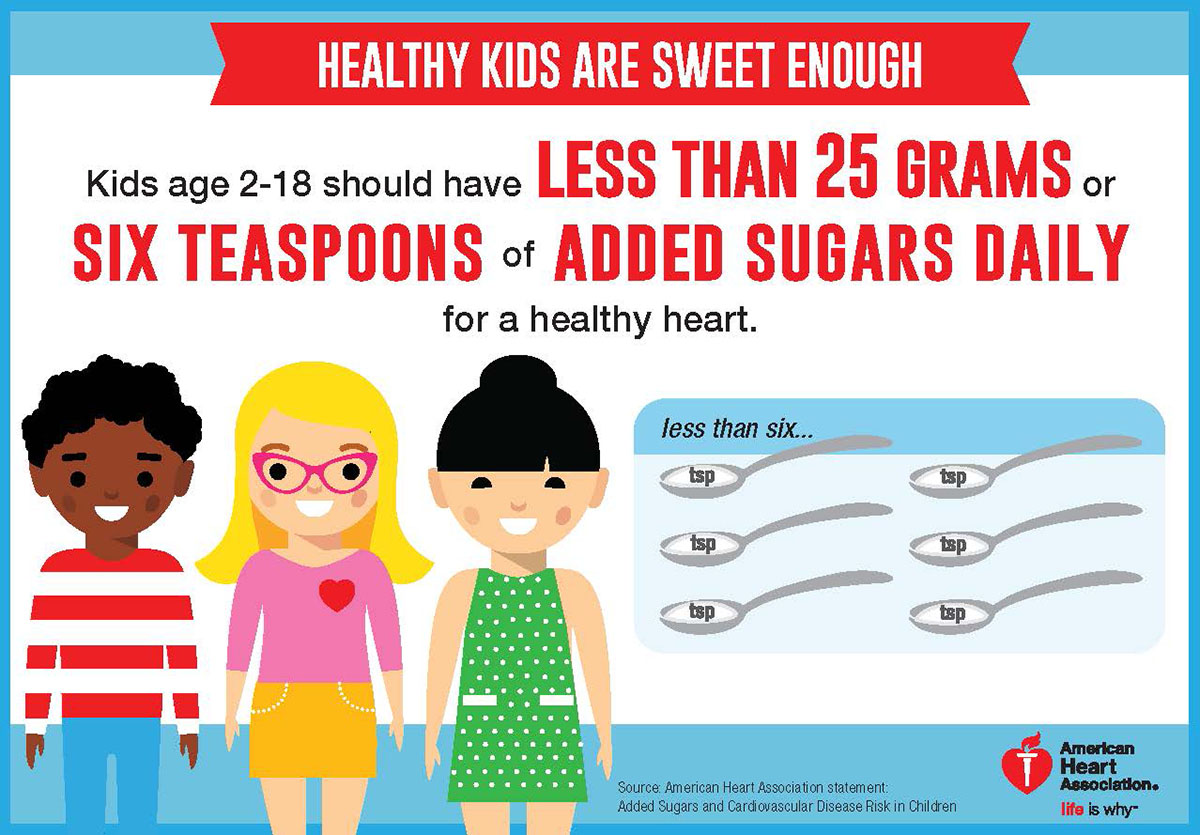
Healthy kids are sweet enough. Kids age 2-18 should have less than 25 grams or six teaspoons of added sugar daily for a healthy heart. (American Heart Association)
American Heart Association says Heart Disease, Stroke Risk factors may increase in severity before Menopause
August 6, 2016
American Heart Association Rapid Access Journal Report
Dallas, TX – The severity of key risk factors for heart disease, diabetes and stroke appears to increase more rapidly in the years leading up to menopause, rather than after, according to new research in Journal of the American Heart Association, the Open Access Journal of the American Heart Association/American Stroke Association.
The study also found that this pattern of rapidly increasing risk factors before menopause appears to be more pronounced among African-American women.

As women go through menopause, doctors and other care providers can use this “teachable moment” to emphasize the importance of diet and exercise in reducing cardiovascular disease risk. (American Heart Association)
Final FDA Rules Guide Consumers Down the Path to Good Nutrition
May 21, 2016
Washington, D.C. – American Heart Association CEO Nancy Brown issued the following comments on the Food and Drug Administration’s (FDA) final rules to update the Nutrition Facts label and the serving sizes of foods:
“Clear, easy-to-understand food labels will help put Americans on the path to healthy eating. The FDA’s final nutrition rules will ensure that consumers are empowered with the guidance they need to make healthier, more informed food choices that can reduce their risk for heart disease and stroke.
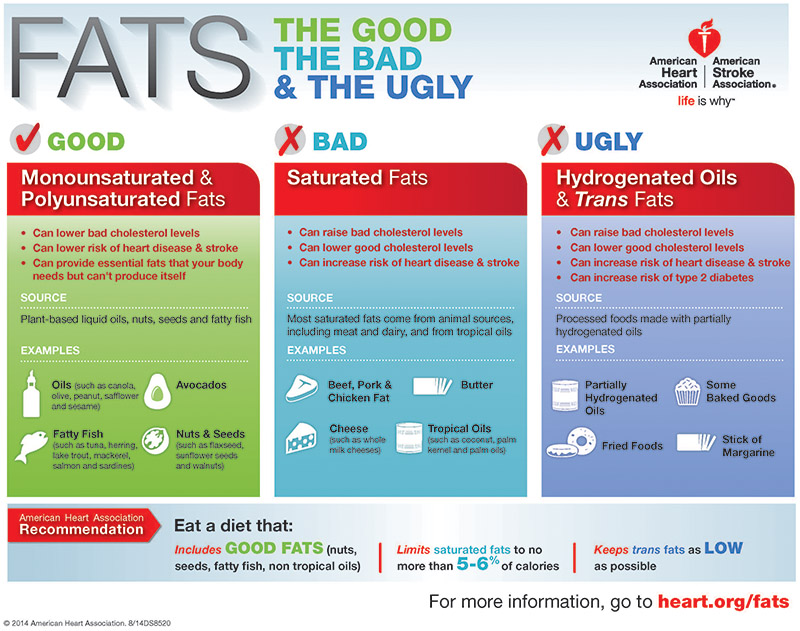
American Heart Association says Eating Healthier Fats could reduce Heart Disease Deaths Worldwide
January 24, 2016
American Heart Association Rapid Access Journal Report
Dallas, TX – Eating healthier fats could save more than a million people internationally from dying from heart disease, and the types of diet changes needed differ greatly between countries, according to new research in Journal of the American Heart Association.
“Worldwide, policymakers are focused on reducing saturated fats. Yet, we found there would be a much bigger impact on heart disease deaths if the priority was to increase the consumption of polyunsaturated fats as a replacement for saturated fats and refined carbohydrates, as well as to reduce trans fats,” said Dariush Mozaffarian, M.D., Dr.P.H., senior study author and dean of the Tufts Friedman School of Nutrition Science & Policy in Boston.