


Wearable Defibrillators may be an alternative to Surgically Implanted Device for children with certain heart rhythm disorders
July 13, 2018
American Heart Association Circulation: Arrhythmia and Electrophysiology Journal Report
 Dallas, TX – Wearable cardioverter defibrillators – vest-like devices that deliver electric shocks to interrupt a dangerous heart rhythm – may be a safe and effective alternative to surgically implanted devices in children with ventricular heart rhythm disorders that put them at risk for sudden cardiac death, according to new research published in Circulation: Arrhythmia and Electrophysiology, an American Heart Association journal.

Study finds external wearable defibrillators are safe and effective in children with ventricular heart rhythm disorders that put them at risk for sudden cardiac death. The wearable devices may provide a reliable alternative to surgically implanted . (American Heart Association)
American Heart Association reports Gene Editing Technology may improve accuracy of predicting individuals’ Heart Disease Risk
July 12, 2018
American Heart Association Circulation Journal Report
Dallas, TX – Scientists may now be able to predict whether carrying a specific genetic variant increases a person’s risk for disease using gene editing and stem cell technologies, according to new research in the American Heart Association’s journal Circulation.
For the first time, the study demonstrates the unique potential of combining stem cell-based disease modeling (Induced pluripotent stem cells) and CRISPR/Cas9-mediated genome editing technology as a personalized risk-assessment platform for determining the disease-causing ability of a yet undescribed genetic variant, known as a “variant of uncertain significance” or VUS.

Gene-editing technology may help scientists discern whether genetic variations with undetermined effects are harmless or dangerous. (American Heart Association)
Studying Heart Disease after Death can help the Living
July 11, 2018
American Heart Association
Dallas, TX – Autopsy is often an overlooked source of medical insight which may be hindering advances in cardiovascular medicine, according to new research published in a special issue of the American Heart Association’s journal Circulation.
“Autopsy is a source of discovery that informs the way we think about disease systemically,” said Jeffrey E. Saffitz, M.D., Ph.D., co-editor of the special issue and chair of the department of pathology at Beth Israel Deaconess Medical Center in Boston.”
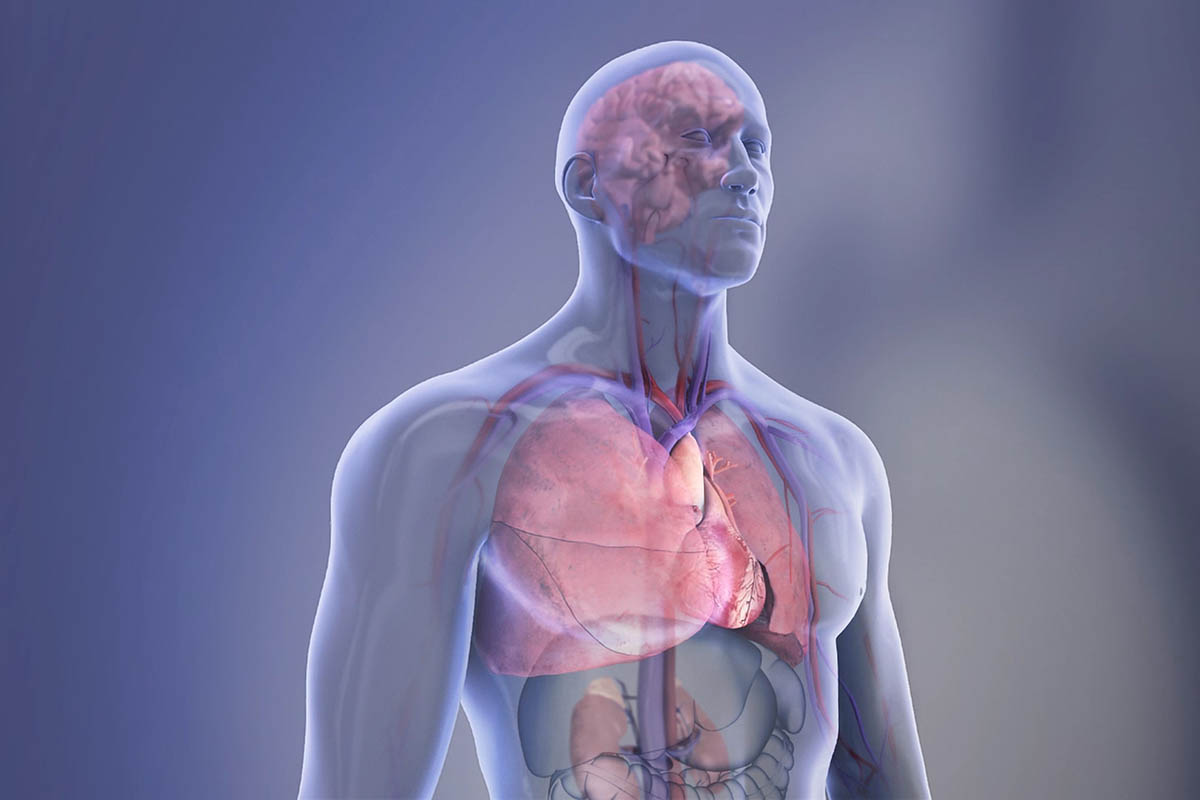
Several papers in a special issue of Circulation offer insight into how autopsy contributes to answers about the causes of sudden cardiac death, information from implantable device to improve heart function, and identifying the original cause of atherosclerosis. (American Heart Association)
American Heart Association says Shock from Heart Device often triggers further Health Care needs
February 21, 2017
American Heart Association Rapid Access Journal Report
Dallas, TX – A shock from an implantable cardioverter defibrillator (ICD) may trigger an increase in health care needs for many people, regardless whether the shock was medically necessary, according to a new study published in Circulation: Cardiovascular Quality and Outcomes, an American Heart Association journal.
ICDs save people from sudden cardiac death by delivering a shock to restore a normal rhythm when the lower chambers of their heart, or ventricles, beat erratically.
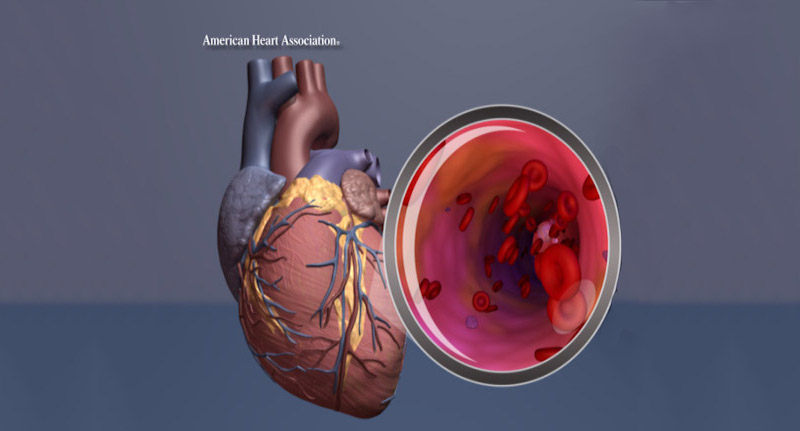
Heart illustration with artery close up. (American Heart Association)
American Heart Association New Report Outlines Ten Measures for the Prevention of Sudden Cardiac Death according
December 21, 2016
American Heart Association/American College of Cardiology Clinical Performance and Quality Measures
Washington, D.C. – A new report presents 10 quality and performance measures that are intended to help stakeholders—including health systems, legislative bodies, and nongovernmental organizations, as well as healthcare practitioners, patients, families and communities—in the effort to prevent sudden cardiac death.
The joint report from the American College of Cardiology and the American Heart Association is published online today in the Journal of the American College of Cardiology and Circulation: Cardiovascular Quality and Outcomes.
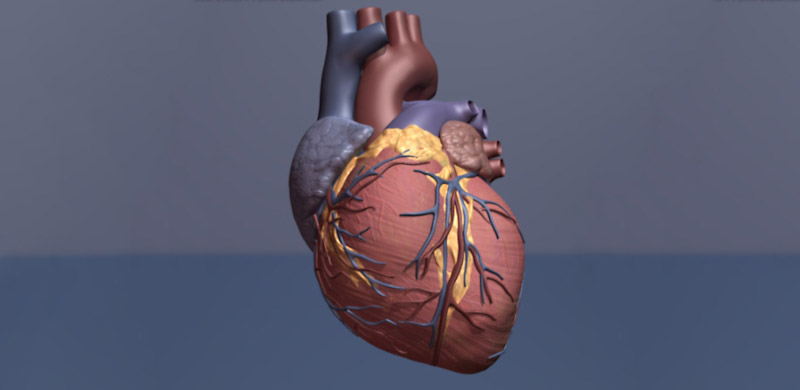
Sudden cardiac death is an unexpected death due to the sudden cessation of cardiac activity, which is also known as sudden cardiac arrest. (American Heart Association)
Yo-Yo dieting dangerous even if you’re not overweight
November 22, 2016
American Heart Association Meeting Report
New Orleans, LA – Repeatedly losing and regaining weight, known as weight cycling or yo-yo dieting, may increase the risk of death from heart disease among postmenopausal women who were of normal weight at the start of the study, according to research presented at the American Heart Association’s Scientific Sessions 2016.

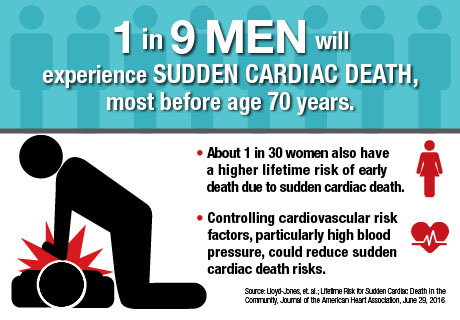
American Heart Association reports Men may face high lifetime risk of Sudden Cardiac Death
July 3, 2016
American Heart Association Rapid Access Journal Report
Dallas, TX – About one in every nine men will experience sudden cardiac death, most before age 70, as well as about one in 30 women, according to research published in the Journal of the American Heart Association, the Open Access Journal of the American Heart Association/American Stroke Association.
Sudden cardiac death claims up to 450,000 American lives each year, according to the study and most commonly occurs in people with no prior symptoms of cardiovascular disease.
American Heart Association says Living near major roads may increase risk of sudden Cardiac Death in Women
October 22, 2014
Dallas, TX – Living close to a major road may increase women’s risk of dying from sudden cardiac death, according to new research in the American Heart Association journal Circulation.
“It’s important for healthcare providers to recognize that environmental exposures may be under-appreciated risk factors for diseases such as sudden cardiac death and fatal coronary heart disease,” said Jaime E. Hart, Sc.D., study lead author and an instructor in medicine at Brigham and Women’s Hospital and Harvard Medical School in Boston, Massachusetts. “On a population level, living near a major roadway was as important a risk factor as smoking, diet or obesity.”

Living near a major road was associated with an increased risk of sudden cardiac death in women. (American Heart Association)


