Wearable Defibrillators may be an alternative to Surgically Implanted Device for children with certain heart rhythm disorders
July 13, 2018
American Heart Association Circulation: Arrhythmia and Electrophysiology Journal Report
 Dallas, TX – Wearable cardioverter defibrillators – vest-like devices that deliver electric shocks to interrupt a dangerous heart rhythm – may be a safe and effective alternative to surgically implanted devices in children with ventricular heart rhythm disorders that put them at risk for sudden cardiac death, according to new research published in Circulation: Arrhythmia and Electrophysiology, an American Heart Association journal.

Study finds external wearable defibrillators are safe and effective in children with ventricular heart rhythm disorders that put them at risk for sudden cardiac death. The wearable devices may provide a reliable alternative to surgically implanted . (American Heart Association)
Sudden Cardiac Death rates may be seven times higher among Young People with Diabetes
November 24, 2017
Anaheim, CA – Children and young adults with diabetes may be seven times more likely to die from sudden cardiac death compared to children and young adults without diabetes, according to preliminary research from Denmark presented at the American Heart Association’s Scientific Sessions 2017, a premier global exchange of the latest advances in cardiovascular science for researchers and clinicians.
Sudden cardiac death is defined as a sudden, unexpected death that occurs instantly or shortly after symptoms appear.
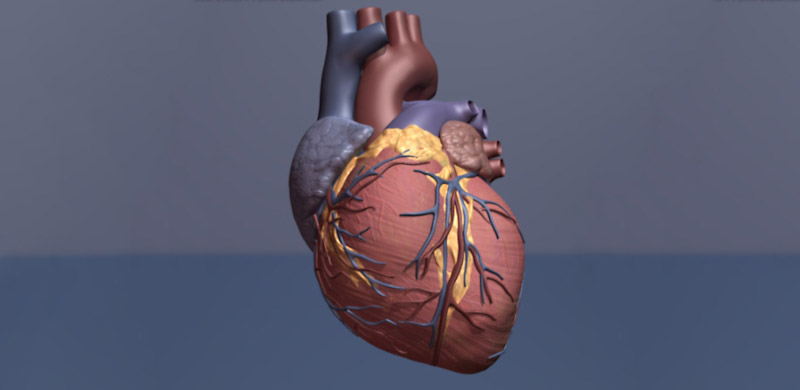
Children and young adults with diabetes were seven times more likely to die from sudden cardiac death compared to children and young adults without diabetes in a Danish study. (American Heart Association)
American Heart Association says Sexual Activity rarely a Heart-Stopping Activity
November 16, 2017
Sunday News Tip Poster Presentation S2086
Anaheim, CA – Sexual activity is rarely associated with sudden cardiac arrest, a life-threatening malfunction of the heart’s electrical system causing the heart to suddenly stop beating, according to preliminary research presented at the American Heart Association’s Scientific Sessions 2017, a premier global exchange of the latest advances in cardiovascular science for researchers and clinicians.
To determine whether sexual activity might trigger sudden cardiac arrest, researchers examined records on 4,557 cases of cardiac arrest in adults between 2002 and 2015 in a community in the northwestern United States.
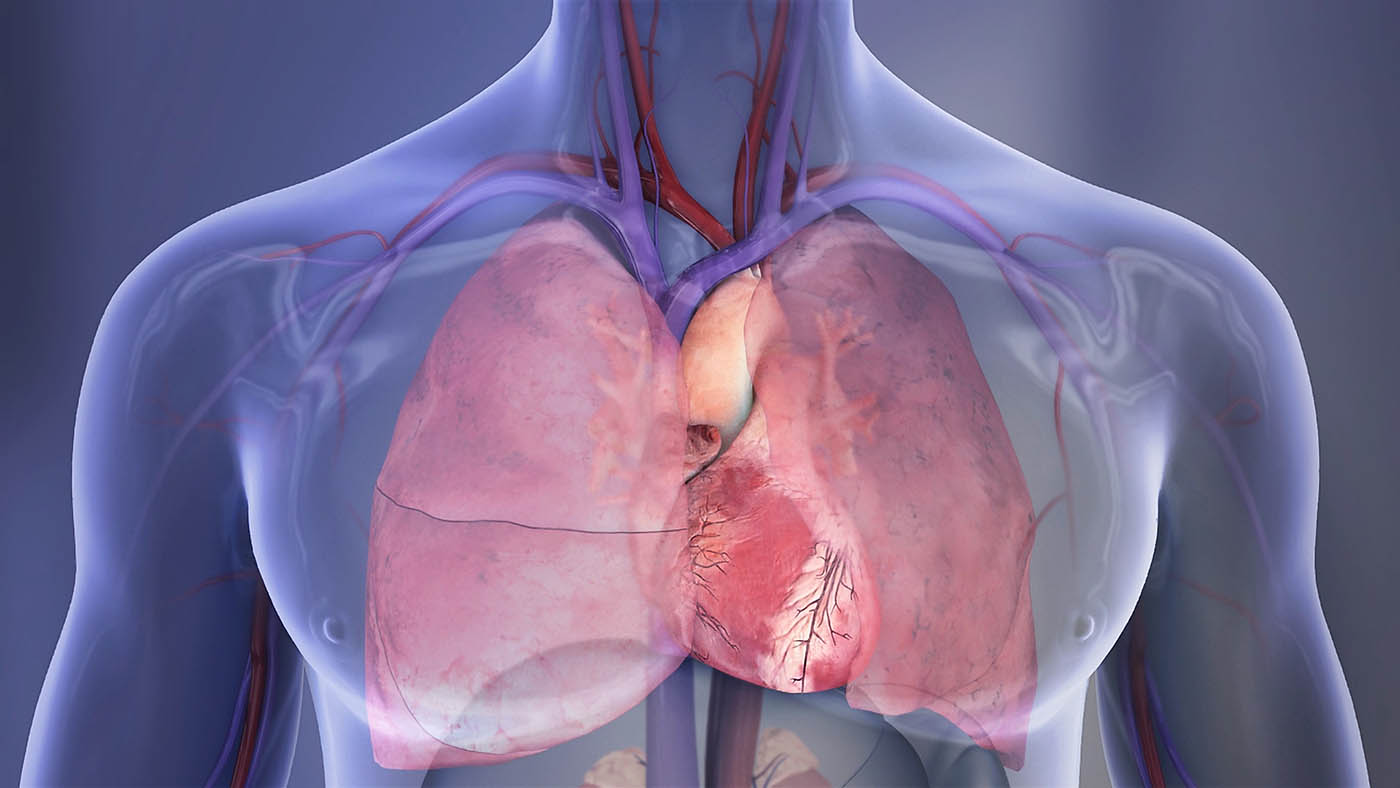
One in 100 cases of cardiac arrest in men was associated with sexual activity, compared with one in 1,000 cases in women. (American Heart Association)
Tennessee Department of Health says Education Critical to preventing Sudden Cardiac Arrest
November 13, 2015
Tennessee Coaches Required to Complete Sudden Cardiac Arrest Course
 Nashville, TN – Tennessee parents and coaches will be learning more about sudden cardiac arrest, the leading cause of death among student athletes.
The Tennessee General Assembly passed a new law in April 2015 requiring coaches and parents of athletes 18 years and younger to be informed about the signs and symptoms of sudden cardiac arrest. While this new law takes effect January 1st, 2016, the Tennessee Department of Health has training materials available now online.
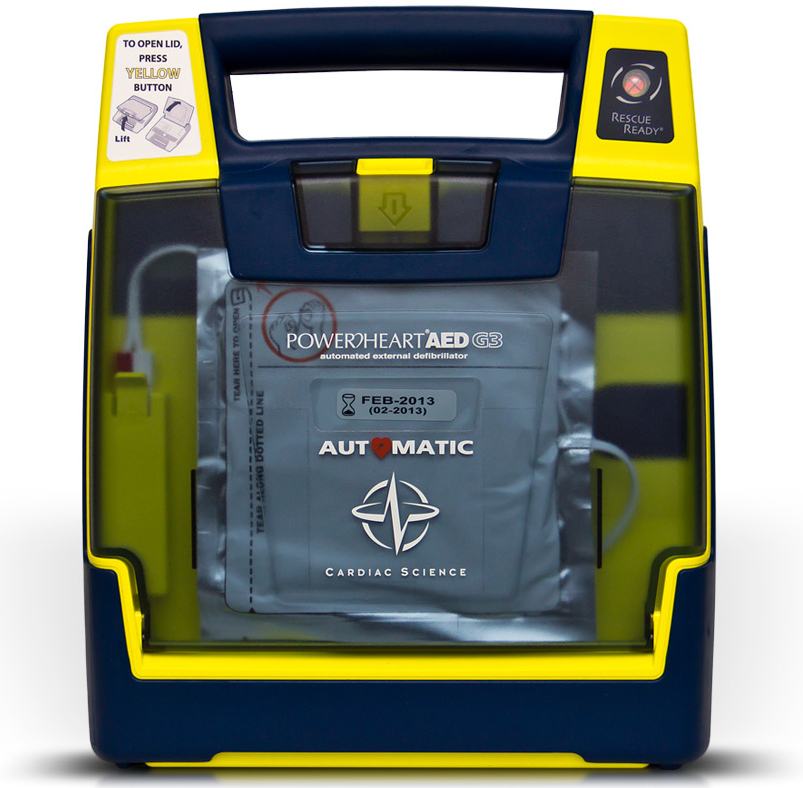
Cardiac Science Powerheart G3 Plus Automated External Defibrillator
American Heart Association reports Blacks are at greater risk for Sudden Cardiac Arrest
July 22, 2015
Dallas, TX – Blacks are more likely than whites to experience sudden cardiac arrest and at a much earlier age, according to research published in the American Heart Association’s journal Circulation.
Researchers also found that blacks had higher rates than whites of well-established risk factors for cardiovascular disease, including diabetes (52 percent vs. 33 percent), high blood pressure (77 percent vs. 65 percent), and chronic kidney failure (34 percent vs. 19 percent).
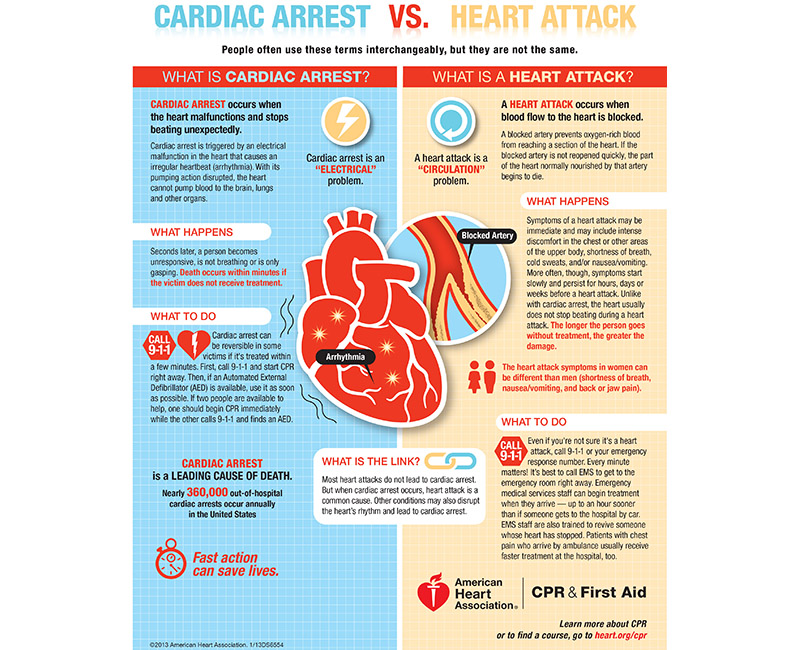
Cardiac Arrest vs. Heart Attack
American Heart Association and American Stroke Association – Life is Why
December 19, 2014
Dallas, TX – For the first time in the 50 years that the American Heart Association/American Stroke Association has released an annual snapshot of heart disease and stroke statistics in the U.S., the new report adds a global view.
Health data compiled from more than 190 countries show heart disease remains the No. 1 global cause of death with 17.3 million deaths each year, according to “Heart Disease and Stroke Statistics — 2015 Update: A Report From the American Heart Association.” That number is expected to rise to more than 23.6 million by 2030, the report found.