


Less than half of stroke patients nationwide are prescribed recommended cholesterol-lowering medication
August 13, 2017
Journal of the American Heart Association Report
 Dallas, TX – Nationwide, less than half of stroke patients discharged from the hospital received a prescription for cholesterol-lowering medications called statins, and the likelihood of a prescription varied by patients’ geographic location, sex, age and race, according to new research in Journal of the American Heart Association, the Open Access Journal of the American Heart Association/American Stroke Association.
For patients with ischemic stroke or transient ischemic attacks (“mini-stroke”), the American Heart Association/American Stroke Association recommends statin therapy to reduce the risk of recurrent stroke and other cardiovascular events.

Many people leaving the hospital after a stroke are not getting prescriptions for statins, even though research shows the medication can reduce the recurrence of stroke. (American Heart Association)
Quitting statins after stroke may raise risk of another stroke
August 8, 2017
Dallas, TX – Stroke patients who stopped taking statin drugs three to six months after a first ischemic stroke, the type caused by narrowed arteries, had a higher risk of a having another stroke within a year, according to new research in Journal of the American Heart Association, the Open Access Journal of the American Heart Association/American Stroke Association.
Researchers also found that discontinuing statin drugs, which lower cholesterol, between three and six months after a first ischemic stroke was linked to higher risk of death and hospitalization among the patients in the study.
Stopping statin drug therapy between three and six months after a first ischemic stroke is associated with a higher risk of another stroke within a year. (American Heart Association)
American Heart Association says Fluctuations in “Bad” Cholesterol may be linked to worse Brain Health
July 19, 2016
American Heart Association Rapid Access Journal Report
Dallas, TX – Greater fluctuations in “bad” cholesterol levels may be linked to worse cognitive function in elderly adults, according to new research in the American Heart Association’s journal Circulation.
In a study of European adults age 70 to 82 years old, researchers found that greater fluctuations in low-density lipoprotein cholesterol (LDL), or “bad” cholesterol, are associated with lower cognitive performance.
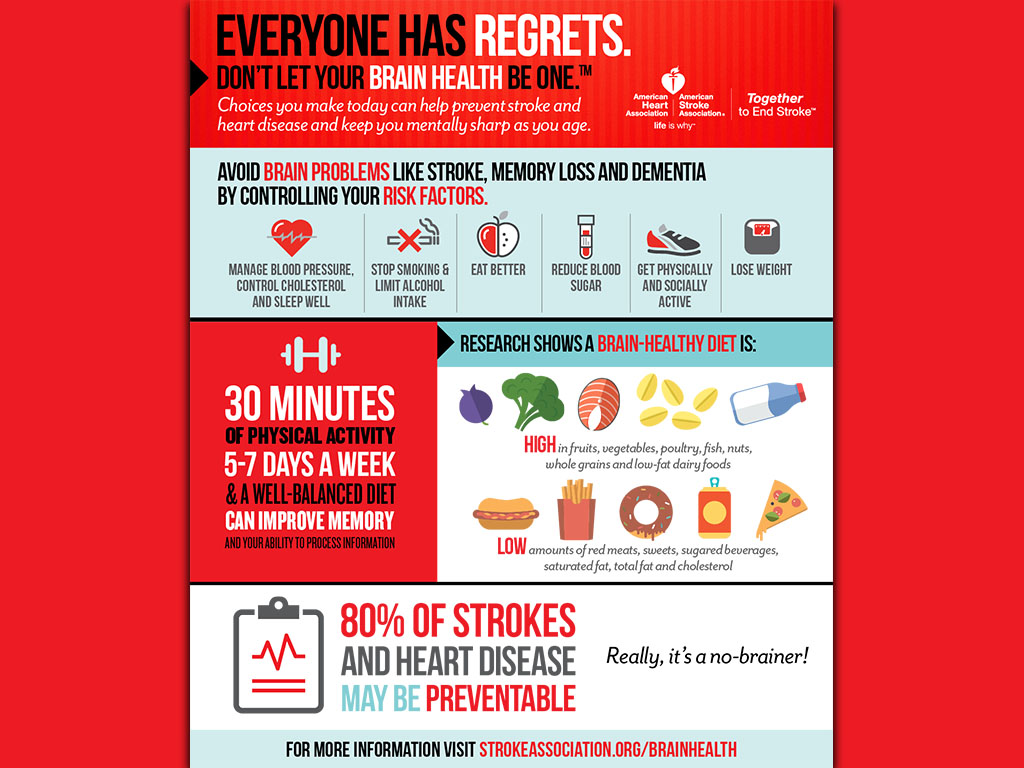
The negative effect from fluctuations was found regardless of average bad cholesterol levels or use of cholesterol-lowering drugs. (American Heart Association)
Statin use differs among Hispanic Adults at risk for Heart Disease
April 4, 2016
American Heart Association Rapid Access Journal Report
Dallas, TX – In the United States, adults of different Hispanic/Latino backgrounds, at high risk for heart disease, varied significantly in their use of widely-prescribed cholesterol-lowering medications known as statins, according to new research in the Journal of the American Heart Association. The difference was based on whether or not they had health insurance.
“These findings have important implications for preventing disparities in cardiovascular outcomes within the growing U.S. Hispanic/Latino population,” said study lead author Dima M. Qato, Pharm.D., M.P.H., Ph.D., assistant professor of pharmacy systems, outcomes and policy at the University of Illinois in Chicago.

Prepping the patient to draw blood for a cholesterol test. (American Heart Association)


