


Tennessee State Fire Marshal’s Office says Cold Weather Brings Increased Risk of Fire Deaths
January 30, 2019
Tennessee State Fire Marshal’s Office (SFMO)
 Nashville, TN – With most of the Volunteer State experiencing frigid temperatures this week, the Tennessee State Fire Marshal’s Office (SFMO) is reminding residents that decreasing temperatures bring an increased risk for fires and fire deaths.
When temperatures drop below 15°F, structure fires are twice as likely to occur than when temperatures remain above 32°F, according to state fire data and information from the National Oceanic and Atmospheric Administration (NOAA).
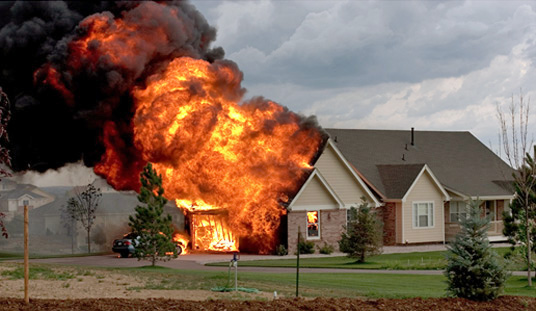
January, February Remain the Deadliest Months for Fires in Tennessee.
SFMO Warns of Fire Dangers Associated with Heating During Winter
December 20, 2018
Tennessee State Fire Marshal’s Office (SFMO)
Nashville, TN – With less than two weeks remaining in 2018, fire fatalities in Tennessee have already exceeded their totals from 2017.
Ahead of the first day of winter (December 21st), the Tennessee State Fire Marshal’s Office (SFMO) is advising Volunteer State residents that the cold weather season is the deadliest time of the year, and fire-safe behaviors could be the difference between life and death when it comes to home heating fires.
Heating equipment is the leading cause of home fire deaths nationally and the second leading known cause in Tennessee.

Tennessee State Fire Marshall’s Office reports over 30 Tennesseans Died in House Fires in November through February of Last Year.
State Fire Marshal’s Office Urges Safety During Deadliest Week For Fire Deaths
January 9, 2018
Nashville, TN – The Tennessee State Fire Marshal’s Office (SFMO) urges Tennesseans to focus on home fire safety during what has traditionally been the most tragic week for fire-related incidents in the Volunteer State: The second week of January.
SFMO data shows that Tennessee has averaged 3.6 fire deaths (29 in eight years) during the second week of January since 2010. This is the highest number of fire deaths for any week of the year and is nearly double the rate of the average week.
House fires can be prevented.
Tennessee State Fire Marshal Urges Tennessean to Heat Homes Safely
December 9, 2016
Nashville, TN – The Tennessee State Fire Marshal’s Office (SFMO) reminds Tennesseans to keep safety in mind as they heat their homes during the winter season. Residents are urged to use extra caution with the use of alternate heat sources, such as portable heaters.
“We cannot stress enough the importance of following safety precautions when heating your home during the colder months,” said Tennessee Department of Commerce & Insurance Commissioner and State Fire Marshal Julie Mix McPeak. “Employing just a few basic steps this winter can help ensure that your family is kept as safe as they are warm.”

Tennessee fire departments responded to 2,572 home structure fires that involved heating equipment from 2011-2015.
State Farm lists Seven ways to use Space Heaters Safely
January 9, 2016
 Murfreesboro, TN – Space heaters provide welcome warmth in chilly rooms, but that warmth comes with a big warning label: Each year space heaters cause more than 25,000 residential fires and send 6,000 people to the ER for treatment of burns, according to the U.S. Consumer Product Safety Commission.
Small space heaters are typically used when the main heating system is inadequate or when central heating is too costly to install or operate.
Portable heaters can be an efficient way to supplement inadequate heating.
Tennessee State Fire Marshal’s Office reports working Smoke Alarm Saves Homeowners’ Lives in Arlington Fire
January 8, 2015
Nashville, TN – A smoke alarm installed through the State Fire Marshal’s Office “Get Alarmed Tennessee” smoke-alarm distribution program is credited with saving the lives of two people in Arlington in the wake of a Wednesday house fire.
Floor mats kept too close to space heater ignited in a bathroom at the home at 11810 U.S. Highway 64 in Arlington on Wednesday and caused the blaze, which was extinguished by fire crews.
But a potentially tragic situation was avoided because the two homeowners who were asleep in the home at the time of the fire were awakened by their working smoke alarm and escaped the house unharmed. [Read more]


