


American Stroke Association lists Five ways to Reduce Stroke Risk
November 29, 2020
 Nashville, TN – Strokes can happen to anyone, at any age. And they don’t stop because of the COVID-19 Coronavirus pandemic. About one in four people worldwide have a stroke — the world’s No. 2 killer and a leading cause of disability. But up to 80% may be prevented.
That’s why the American Stroke Association is emphasizing the importance of preventing stroke.
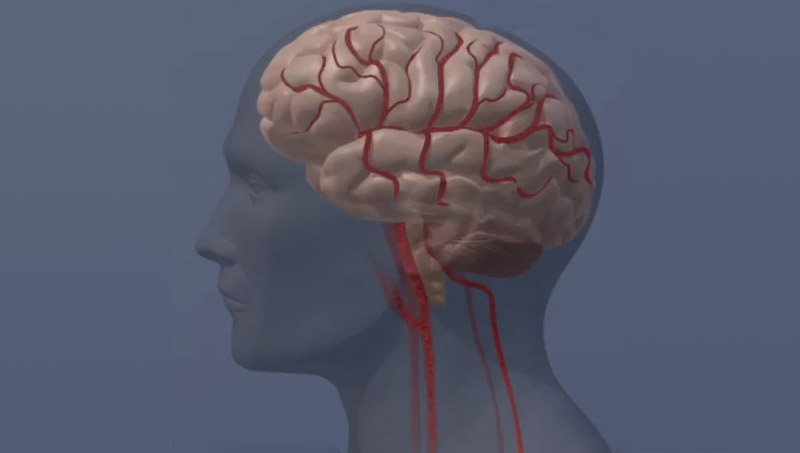
Amid COVID-19 Coronavirus Pandemic, the American Stroke Association to focus on factors that Increase Stroke Risk. (American Heart Association)
Sleep Apnea after Stroke heightens risk of another Stroke; Death
January 31, 2018
 Los Angeles, CA – Stroke survivors, especially Mexican-Americans, whose sleep is interrupted by pauses in breathing (sleep apnea) are more likely to die or experience another stroke, according to preliminary research presented at the American Stroke Association’s International Stroke Conference 2018, a world premier meeting dedicated to the science and treatment of cerebrovascular disease for researchers and clinicians.
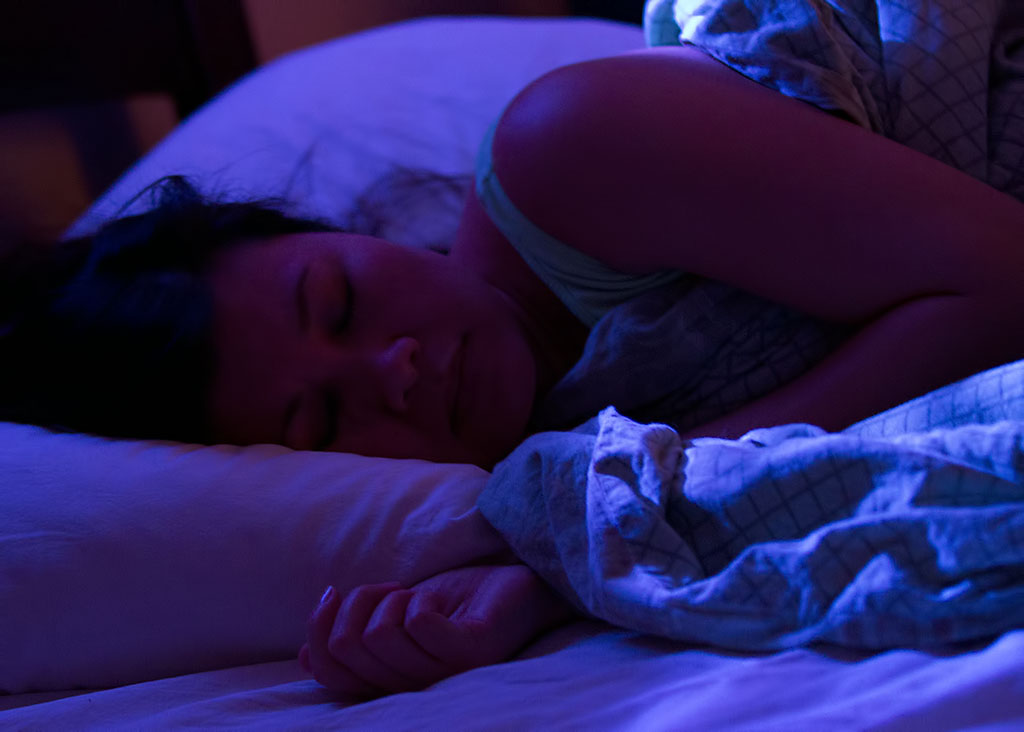
Sleeping woman. (American Heart Association)
Sleep disorders may influence heart disease risk factors says American Heart Association
September 26, 2016
American Heart Association Scientific Statement
Dallas, TX – Sleep problems including sleeping too little or too long, may be linked to a variety of factors that may raise the risk for cardiovascular diseases, according to a new American Heart Association scientific statement published in the American Heart Association journal Circulation.
The first statement by the American Heart Association on sleep and heart health outlines what we currently know about sleep irregularities and cardiovascular-related risk factors, including obesity, Type 2 diabetes, heart disease and atherosclerosis, arrhythmias, high blood pressure, stroke, unhealthy levels of triglycerides and cholesterol.
Research linking sleep problems to obesity and diabetes is robust, but longer studies measuring impact on actual weight are needed. (American Heart Association)
Sleep disorders may predict heart events after angioplasty
June 17, 2016
American Heart Association Rapid Access Journal Report
Dallas, TX – People who have had percutaneous coronary intervention (PCI), also known as angioplasty, for acute coronary syndrome could be at higher risk of death, heart failure, heart attack and stroke if they have sleep-disordered breathing, such as sleep apnea, according to new research in Journal of the American Heart Association, the Open Access Journal of the American Heart Association/American Stroke Association.
Acute coronary syndrome, is an umbrella term for conditions in which the blood supplied to the heart is suddenly blocked.
Sleeping woman. (American Heart Association)
American Heart Association report shows Poor Sleep in Seniors linked to Hardened Brain Arteries
January 19, 2016
American Heart Association Rapid Access Journal Report
Dallas, TX – Poor sleep quality in elderly persons is associated with more severe arteriosclerosis in the brain as well as a greater burden of oxygen-starved tissue (infarcts) in the brain – both of which can contribute to the risk of stroke and cognitive impairment. The findings are reported in the American Heart Association’s journal Stroke.
The relationship between cardiovascular disease and so-called “fragmented” sleep has been studied in the past, but this is the first study to look specifically for an association between sleep fragmentation and detailed microscopic measures of blood vessel damage and infarcts in autopsied brain tissue from the same individuals.
Elderly people who sleep poorly and awaken frequently are more likely to have hardened blood vessels or oxygen-starved tissue in the brain. (American Heart Association)
American Heart Association says restricting Calories may improve Sleep Apnea, Blood Pressure in Obese People
September 20, 2014
San Francisco, TN – Restricting calories may improve obstructive sleep apnea and reduce high blood pressure in obese adults, according to a study presented at the American Heart Association’s High Blood Pressure Research Scientific Sessions 2014.
People with sleep apnea may experience pauses in breathing five to 30 times per hour or more while sleeping. It prevents restful sleep and is associated with high blood pressure, arrhythmia (abnormal heart rhythm), stroke and heart failure.
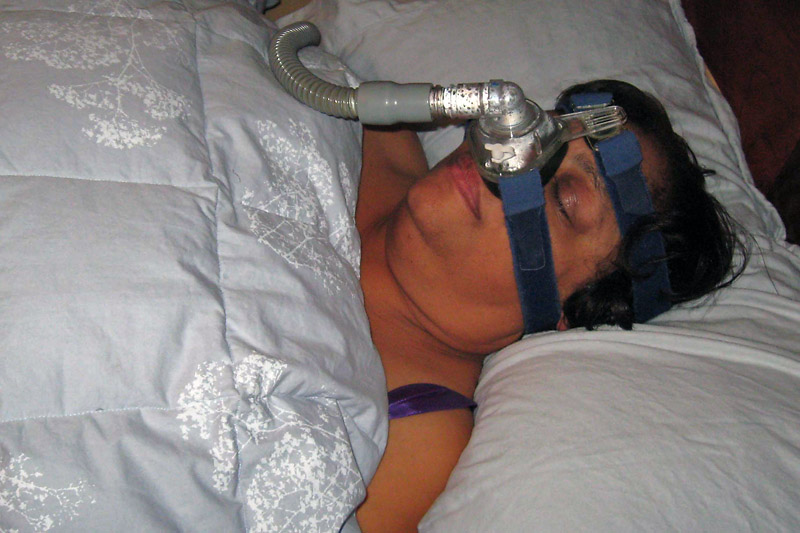
Sleep Apnea – Woman wearing CPAP. (American Heart Association)
Tennessee Department of Health Provides Information About the Value of Sleep
July 31, 2014
Now I Lay Me Down To …
 Nashville, TN – Sleep is not a luxury; it is a basic health need long known to affect a person’s ability to think and function.
Increasingly scientists and researchers are learning more about other values of sleep that may impact health and help improve and extend lives. [Read more]
American Heart Association says Blood pressure control, lifestyle changes key to preventing subsequent Strokes
May 10, 2014
Saint Thomas and Vanderbilt support healthy lifestyle as key part of stroke prevention
Dallas, TX – Stroke survivors should control their blood pressure, cholesterol and weight and do moderate physical activity regularly to avoid having another stroke, according to an American Heart Association/American Stroke Association scientific statement.
They should also receive other evidence-based therapy specific to their individual health, which may include aspirin therapy or a surgical procedure to keep neck arteries open.
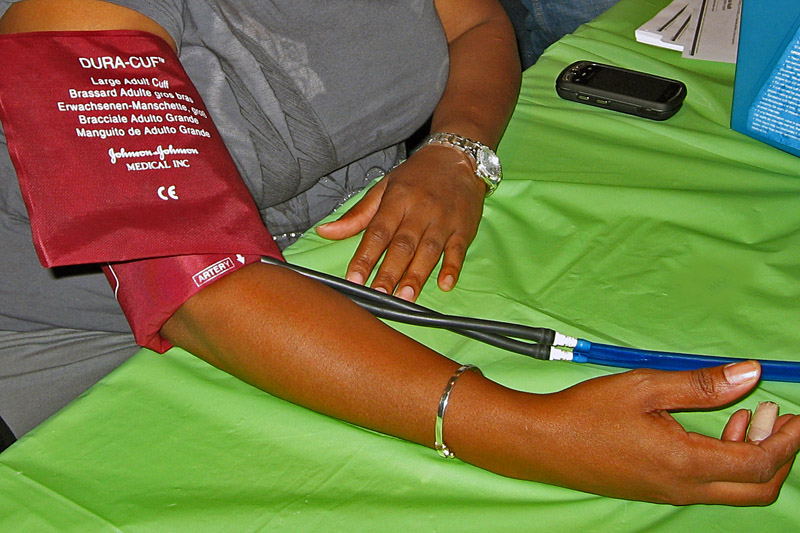
Blood Pressure Check. (American Heart Association)
American Stroke Associaton says there’s an alternative test better at finding potentially dangerous holes in the Heart
March 8, 2014
 San Diego, CA – An alternative test for measuring blood flow to the brain detected a potentially dangerous hole within the heart of some patients with an unexplained stroke better than a standard test, according to late-breaking science presented at the American Stroke Association’s International Stroke Conference 2014.
In addition, the transcranial Doppler test could differentiate the risk of future stroke or transient ischemic attack as related to the severity of the defect. [Read more]
American Stroke Association reports Sleep Apnea more common in people with Stroke-related Brainstem Injuries
February 19, 2014
San Diego, CA – People whose strokes affected their brainstems had a significantly higher prevalence of sleep apnea than those whose stroke affected other parts of the brain, according to research presented at the American Stroke Association’s International Stroke Conference 2014.
Sleep apnea is marked by interrupted breathing during sleep and can lead to serious health problems including heart disease and stroke. [Read more]


