


Mono-unsaturated fats from plants, not animals may reduce risk of death from heart disease and other causes
April 19, 2018
American Heart Association Meeting Report
 New Orleans, LA – Diets rich in mono-unsaturated fatty acids from plants were associated with a lower risk of dying from heart disease or other causes compared to diets rich in mono-unsaturated fats from animals, which were linked to a higher risk of death from heart disease or other causes, according to preliminary research presented at the American Heart Association’s Epidemiology and Prevention | Lifestyle and Cardiometabolic Health Scientific Sessions 2018, a premier global exchange of the latest advances in population based cardiovascular science for researchers and clinicians.

The largest reductions in the risk of death were found when healthy fats from plant sources replaced saturated fats, trans fats and refined carbohydrates. (Amnerican Heart Association)
Inherited Taste Perceptions may explain why some people eat too much Salt
November 16, 2016
American Heart Association Meeting Report
New Orleans, LA – Inherited differences in taste perceptions may help explain why some people eat more salt than recommended, according to preliminary research presented at the American Heart Association’s Scientific Sessions 2016.
“Genetic factors that influence taste aren’t necessarily obvious to people, but they can impact heart health by influencing the foods they select,” said lead author Jennifer Smith, B.S.N., R.N., a Ph.D. student at the University of Kentucky College of Nursing.
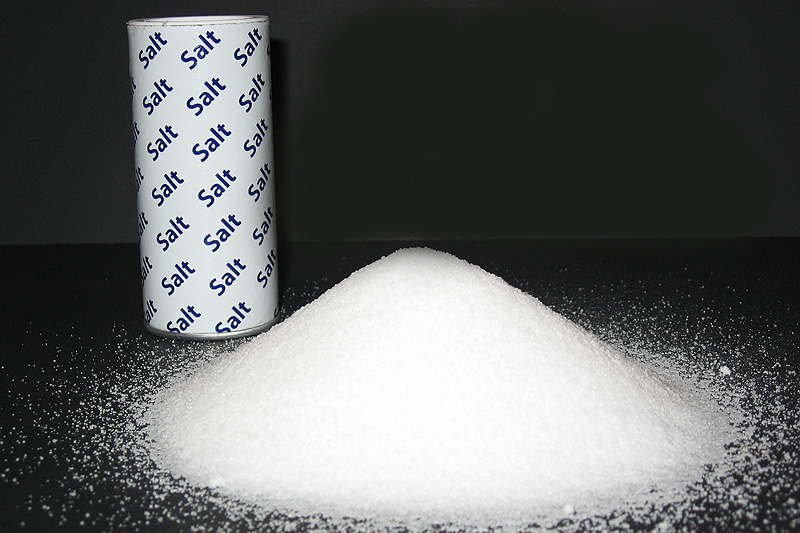
Reduction in Salt Consumption Recommended. (Copyright American Heart Association)
American Heart Association says Eating Healthier Fats could reduce Heart Disease Deaths Worldwide
January 24, 2016
American Heart Association Rapid Access Journal Report
Dallas, TX – Eating healthier fats could save more than a million people internationally from dying from heart disease, and the types of diet changes needed differ greatly between countries, according to new research in Journal of the American Heart Association.
“Worldwide, policymakers are focused on reducing saturated fats. Yet, we found there would be a much bigger impact on heart disease deaths if the priority was to increase the consumption of polyunsaturated fats as a replacement for saturated fats and refined carbohydrates, as well as to reduce trans fats,” said Dariush Mozaffarian, M.D., Dr.P.H., senior study author and dean of the Tufts Friedman School of Nutrition Science & Policy in Boston.
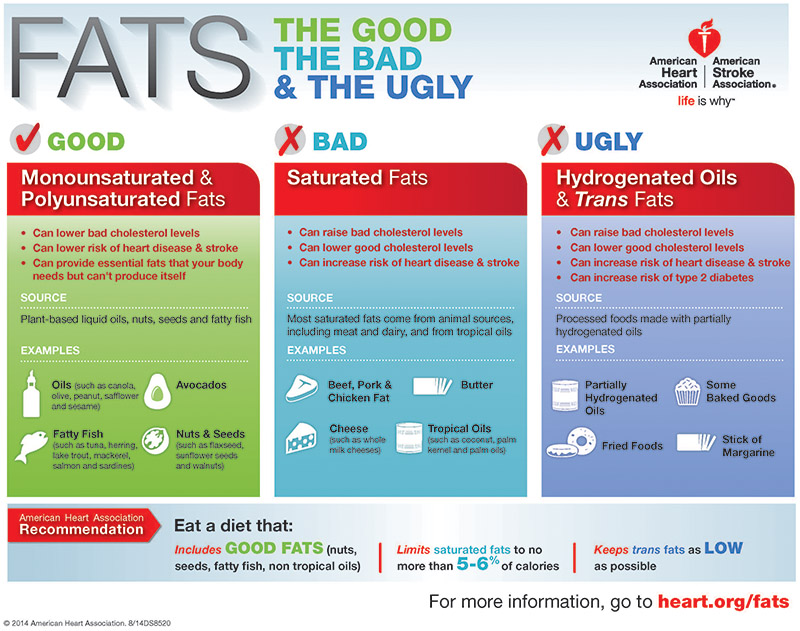
American Heart Association says Trans Fats still weighing Americans down
October 28, 2014
Dallas, TX – Good news, bad news: The amount of trans fats we eat has declined over the last 30 years, but we’re still consuming more than recommended.
In a study reported in the Journal of the American Heart Association, researchers reviewed results from a series of six surveys as part of the Minnesota Heart Survey in 1980-2009.
High sugar consumption may increase risk factors for heart disease in American teenagers
January 13, 2011
Dallas, TX – Teenagers who consume a lot of added sugars in soft drinks and foods may have poor cholesterol profiles — which may possibly lead to heart disease in adulthood, according to first-of-its-kind research reported in Circulation: Journal of the American Heart Association.
“Added sugars” are any caloric sweeteners added to foods or beverages by the manufacturer during processing or the consumer.
The National Health and Nutrition Survey (NHANES) of 2,157 teenagers (ages 12 to 18) found the average daily consumption of added sugars was 119 grams (28.3 tsp or 476 calories), accounting for 21.4 percent of their total energy.


