


Young Adults with PTSD may have a Higher Risk of Stroke in Middle Age
October 26, 2019
 Dallas, TX – According to new research published in Stroke, a journal of the American Stroke Association, a division of the American Heart Association, Young adults who suffer from posttraumatic stress disorder (PTSD) may be more likely to experience a transient ischemic attack (TIA) or major stroke event by middle age, raising the risk as much as other better-known risk factors.
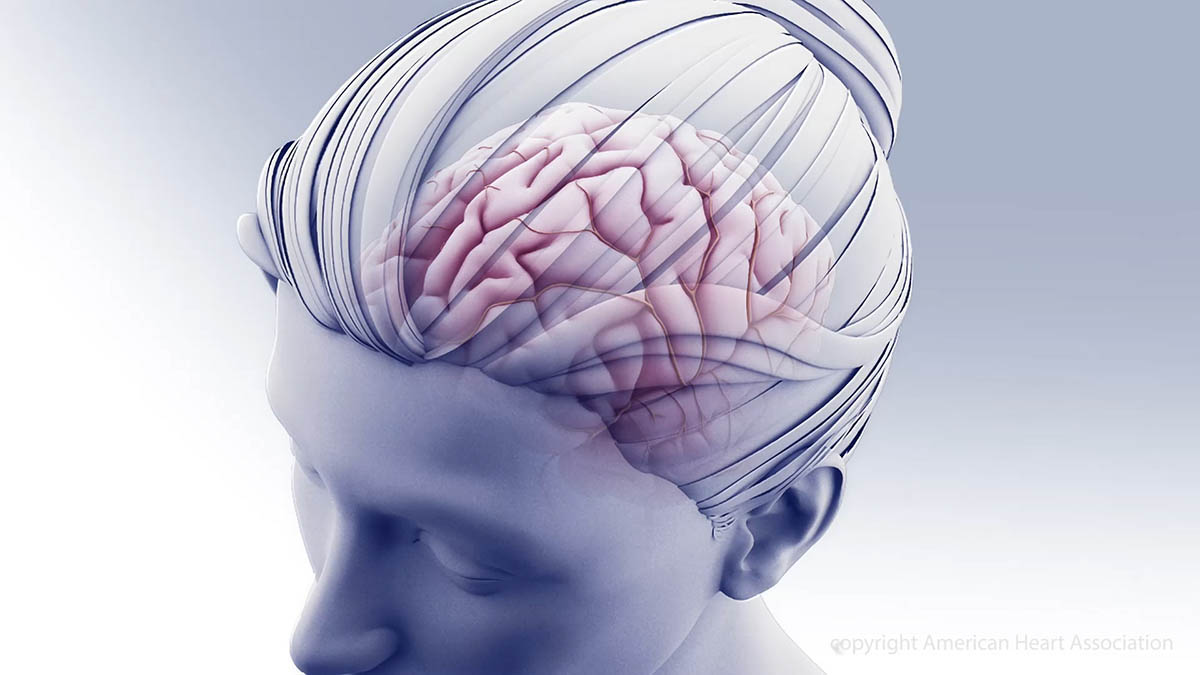
This nationwide study of more than 1.1 million adults showed that PTSD may be a potent risk factor for developing stroke at a young age. (American Heart Association)
Veterans with Mental Health Conditions have Higher Risk of Heart Disease, Stroke
October 20, 2019
Dallas, TX – According to new research published in Circulation: Cardiovascular Quality and Outcomes, an American Heart Association journal, veterans with specific mental health disorders – depression, psychosis and bipolar disorder – had an increased risk of heart attack, stroke and death from cardiovascular disease.
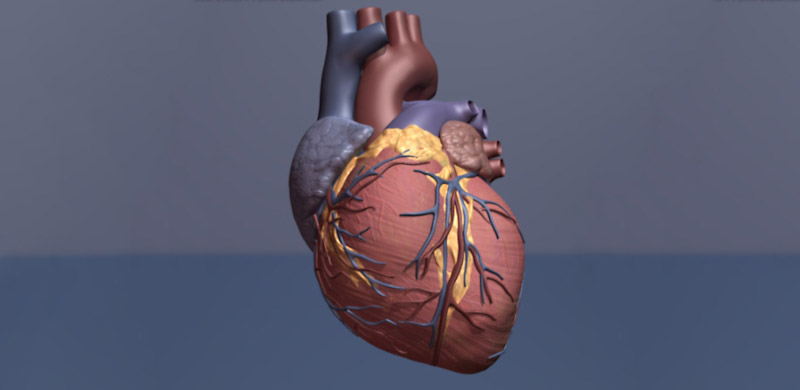
Veterans with more severe forms of mental health disorders, especially psychotic disorders such as schizophrenia, had the highest cardiovascular risk.
American Heart Association study shows Veterans with depression and/or PTSD more likely to seek cardiac rehab
June 12, 2019
 Dallas, TX – According to new research in Journal of the American Heart Association, the Open Access Journal of the American Heart Association/American Stroke Association, veterans who have post-traumatic stress disorder (PTSD) and/or depression were more likely to use cardiac rehabilitation services after an episode of ischemic heart disease than those who didn’t have PTSD or depression.
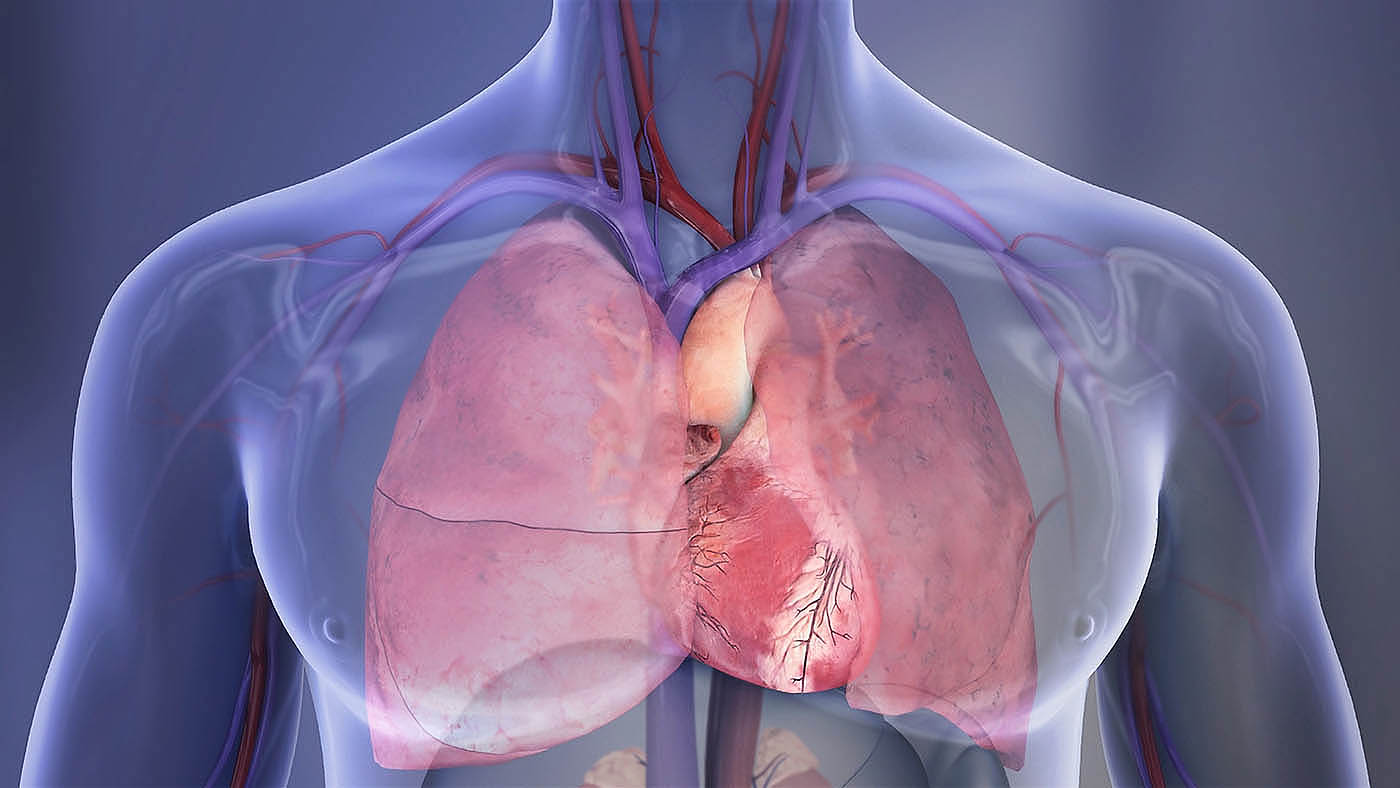
A large study offers new evidence that mental health disorders may not be a barrier to cardiac rehabilitation. (American Heart Association)
Heart failure in Methamphetamine Users: Could this be the next epidemic among Vets?
December 1, 2017
Anaheim, CA – Heart failure associated with methamphetamine (meth) use has risen dramatically in recent years among U.S. veterans, according to preliminary research presented at the American Heart Association’s Scientific Sessions 2017, a premier global exchange of the latest advances in cardiovascular science for researchers and clinicians.
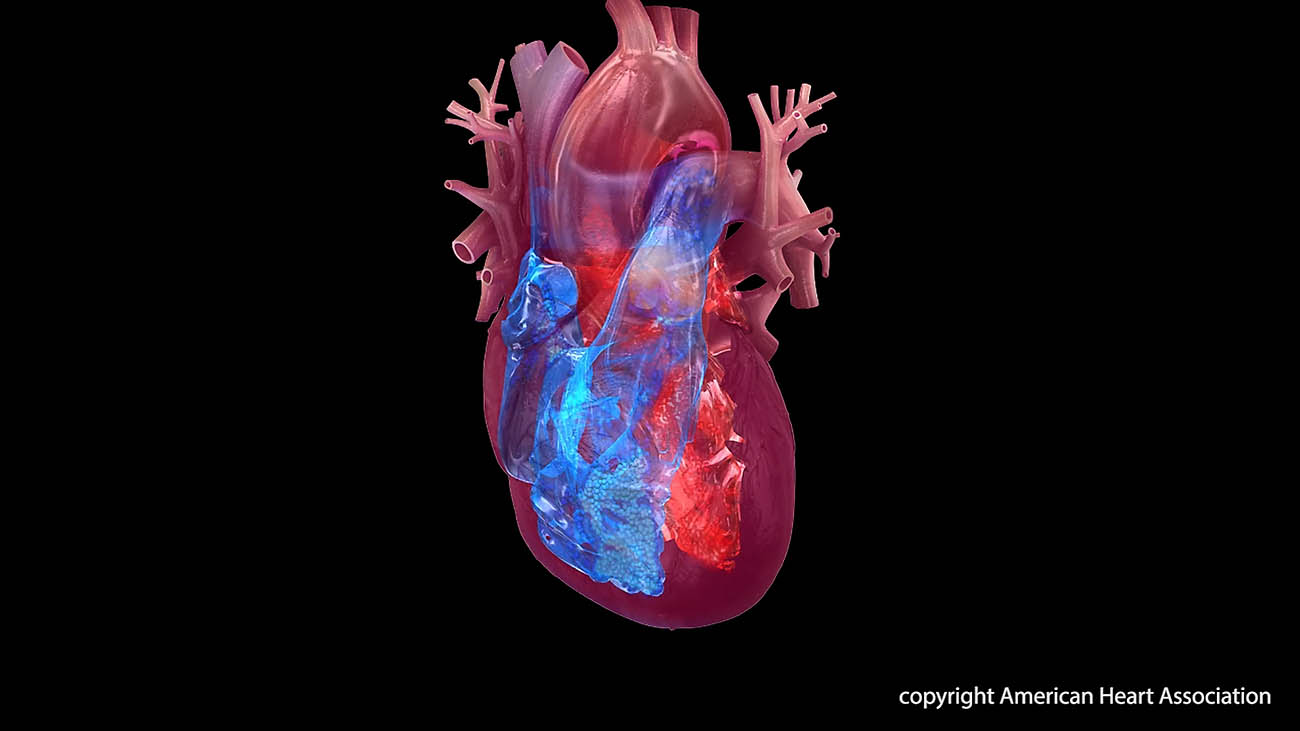
Heart failure associated with methamphetamine use is on the rise among U.S. veterans. (American Heart Association)
American Stroke Association reports Psychiatric Illness may increase Stroke Risk
March 7, 2017
 Houston, TX – Patients hospitalized or treated in the emergency room for depression, anxiety, posttraumatic stress disorder (PTSD) or other psychiatric disorders may have an increased risk for stroke, particularly in the 15 days following their psychiatric diagnosis, according to research presented at the American Stroke Association’s International Stroke Conference 2017.
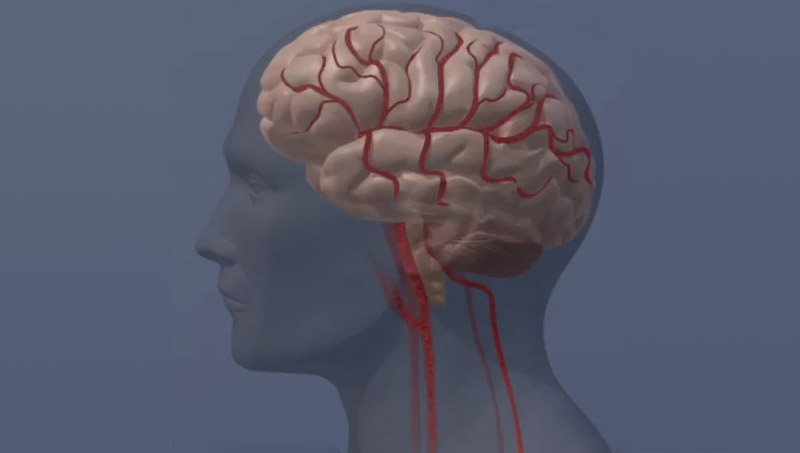
Risk of stroke was greatest within 15 days of psychiatric diagnosis, declined with time, but persists for at least a year.. (American Heart Association)
American Heart Association says Parents of Children with serious Heart Defects may be at risk of PTSD
February 3, 2017
American Heart Association Rapid Access Journal Report
Dallas, TX – Parents of children with “critical” congenital heart defects – which require at least one cardiac surgery – are at high risk for mental health problems, particularly post-traumatic stress disorder (PTSD), anxiety and depression, according to research in Journal of the American Heart Association, the Open Access Journal of the American Heart Association/American Stroke Association.
Health professionals know that mental health issues in parents can lead to long-term cognitive, health and behavioral troubles in their children. Researchers reviewed published data from 10 countries.

Dr. Sarah Woolf-King, Ph.D., M.P.H. plays with two-year-old son Charlie in 2014. (Gayle Photography)
June is Post-Traumatic Stress Disorder Awareness Month
June 8, 2016
 Nashville, TN – In recognition of Post-Traumatic Stress Disorder (PTSD) Awareness Month, the Tennessee Department of Mental Health and Substance Abuse Services wants to make sure that everyone understands the impact traumatic events can have.
In some cases, experiencing trauma can result in lifelong anxiety and stress and can even lead to suicide.

Post-Traumatic Stress Disorder may affect Blood Vessel Health in Veterans
March 24, 2016
Dallas, TX – Post-traumatic stress disorder (PTSD) may decrease the ability of blood vessels to dilate, raising the risk of heart attack and stroke in veterans, according to new research in the Journal of the American Heart Association.
In the largest study to date on the impact of post-traumatic stress disorder (PTSD) on blood vessel health, researchers found that blood vessels of veterans with PTSD were unable to expand normally in response to stimulus – they were less reactive — compared to veterans without PTSD. Less reactive blood vessels are linked to heart disease and other serious conditions.
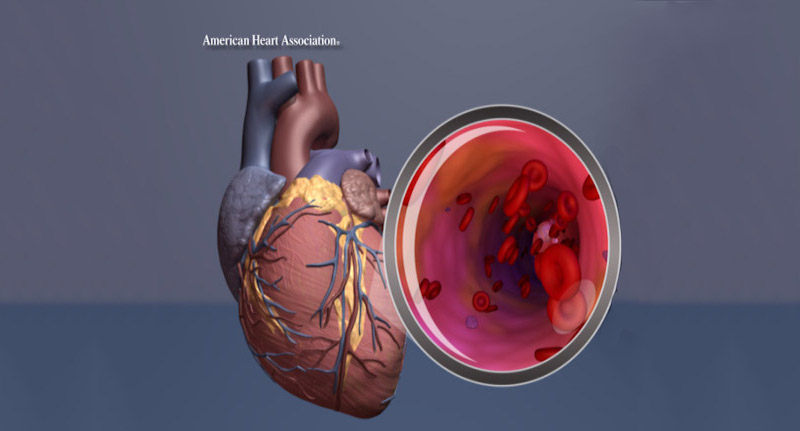
Heart illustration with artery close up. (American Heart Association)


