


Former NFL Players may face higher risk of Atrial Fibrillation
September 6, 2019
 Dallas, TX – Former National Football League players were nearly 6 times more likely to have atrial fibrillation (AFib) compared to men of similar age who did not play professional football, according to new research in Journal of the American Heart Association, the Open Access Journal of the American Heart Association/American Stroke Association.
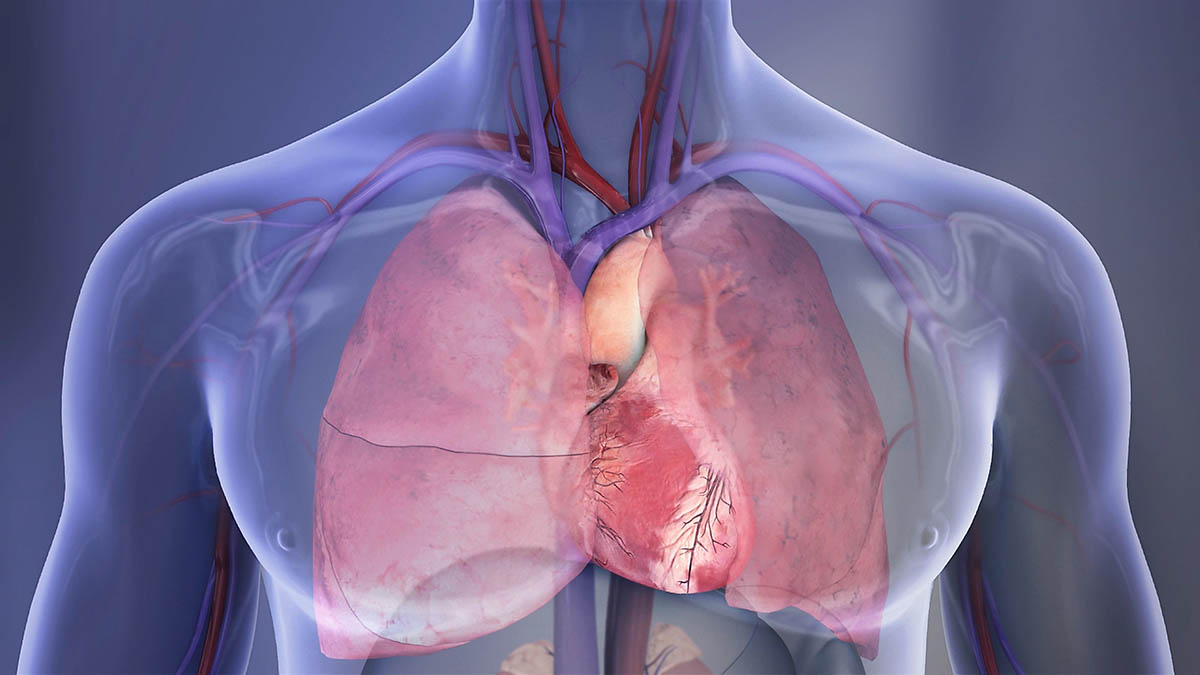
Former NFL athletes had lower risk factors for cardiovascular disease, including type 2 diabetes and high blood pressure, and had lower resting heart rates compared to the control group, yet the incidence of atrial fibrillation was still higher. (American Heart Association)
American Heart Association says Pacemaker function may be impacted by Electric Appliances; Tools
March 8, 2017
American Heart Association Rapid Access Journal Report
 Dallas, TX – Electric and magnetic fields (EMF) generated from everyday household appliances, electrical tools and more, used in very close proximity to the body, can interfere with the ability of pacemakers to regulate patients’ heartbeats, according to new research in the American Heart Association’s journal Circulation.
“Electromagnetic interferences with pacemakers in everyday life can occur, however, harmful interferences are rare using vendors’ recommended device settings,” said Andreas Napp, M.D., study author and cardiologist at RWTH Aachen University Hospital in Aachen, Germany. “Dedicated device programming is an effective measure to reduce the individual risk of interference. For example, doctors can reprogram pacemakers to a lower sensitivity to reduce EMF susceptibility.”
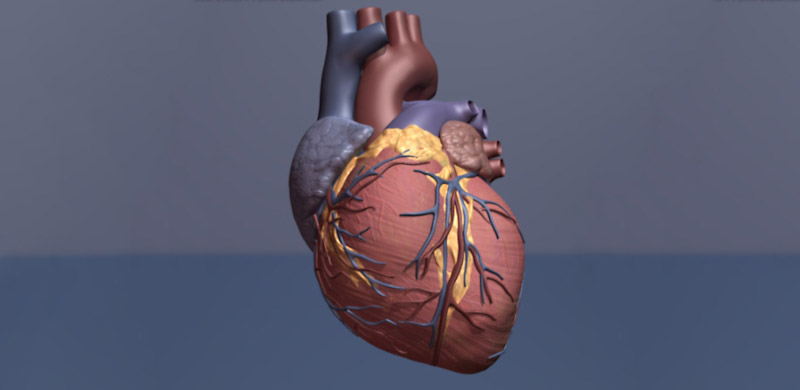
Electric and magnetic fields generated from everyday household appliances, electrical tools and more, used in very close proximity to the body, can interfere with the ability of pacemakers to regulate patients’ heartbeats. (American Heart Association)
Short episodes of Abnormal Heart Rhythm may not increase Risk of Stroke
October 18, 2016
American Heart Association Rapid Access Journal Report
Dallas, TX – People with pacemakers or defibrillators who experience only short episodes of an abnormal heart rhythm known as atrial fibrillation have a very low risk of stroke, suggesting that anticoagulants in this group of patients were not likely to reduce the risk for stroke, according to new research in the American Heart Association’s journal Circulation.
Atrial fibrillation is the most common abnormal heart rhythm, affecting approximately 2.7 million Americans.
People with pacemakers or defibrillators who experience short episodes an abnormal heart rhythm called atrial fibrillation have no higher risk for stroke or other medical complications than people without documented atrial fibrillation. (American Heart Association)
Technique to stimulate heart cells may lead to light-controlled Pacemakers
August 12, 2011
Dallas, TX – A new technique that stimulates heart muscle cells with low-energy light raises the possibility of a future light-controlled pacemaker, researchers reported in Circulation: Arrhythmia & Electrophysiology, a journal of the American Heart Association.
“Electronic cardiac pacemakers and defibrillators are well established and successful technologies, but they are not without problems, including the breakage of metal leads, limited battery life and interference from strong magnetic fields,” said Emilia Entcheva, Ph.D., senior author of the study and associate professor of biomedical engineering at Stony Brook University in Stony Brook, New York. “Eventually, optical stimulation may overcome some of these problems and offer a new way of controlling heart function.” [Read more]


