


American Heart Association says more than 10 percent of Heart Attack Patients may have undiagnosed Diabetes
June 7, 2014
 Baltimore, MD – At least 10 percent of people who have a heart attack may have undiagnosed diabetes, according to new research presented at the American Heart Association’s Quality of Care and Outcomes Research Scientific Sessions 2014.
[youtube]https://www.youtube.com/watch?v=CbtNQ9fc0lM[/youtube] [Read more]
Tennessee Department of Health says the “Silent Killer” can be found by painless Three-Minute Test
June 3, 2014
 Nashville, TN – If there were a painless three-minute test that could help you prevent blindness, heart attack, stroke, kidney failure or memory loss, would you have it?
Most would likely say yes, but unfortunately many don’t make time for a simple assessment to learn if they have high blood pressure. [Read more]
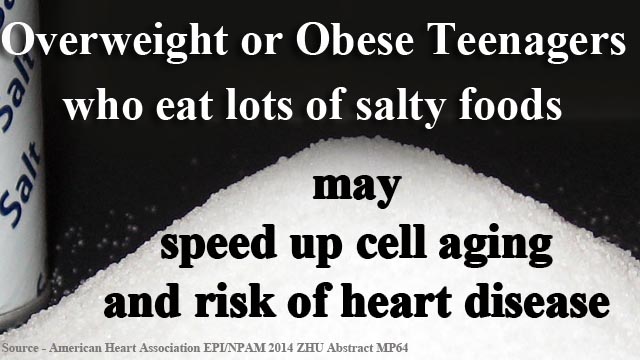
American Heart Association says combo of overweight, high sodium intake speeds cell aging in teens
March 31, 2014
 San Francisco, CA – Overweight or obese teenagers who eat lots of salty foods may show signs of faster cell aging, according to research presented at the American Heart Association’s Epidemiology & Prevention/Nutrition, Physical Activity & Metabolism Scientific Sessions 2014.
“Lowering sodium intake, especially if you are overweight or obese, may slow down the cellular aging process that plays an important role in the development of heart disease,” said Haidong Zhu, M.D., Ph.D., lead author of the study and assistant professor of pediatrics at Medical College of Georgia, Georgia Regents University in Augusta, GA.
American Heart Association reports spices and herbs intervention helps adults reduce salt intake
March 26, 2014
San Francisco, CA – Teaching people how to flavor food with spices and herbs is considerably more effective at lowering salt intake than having them do it on their own, according to research presented at the American Heart Association’s Epidemiology & Prevention/Nutrition, Physical Activity & Metabolism Scientific Sessions 2014.
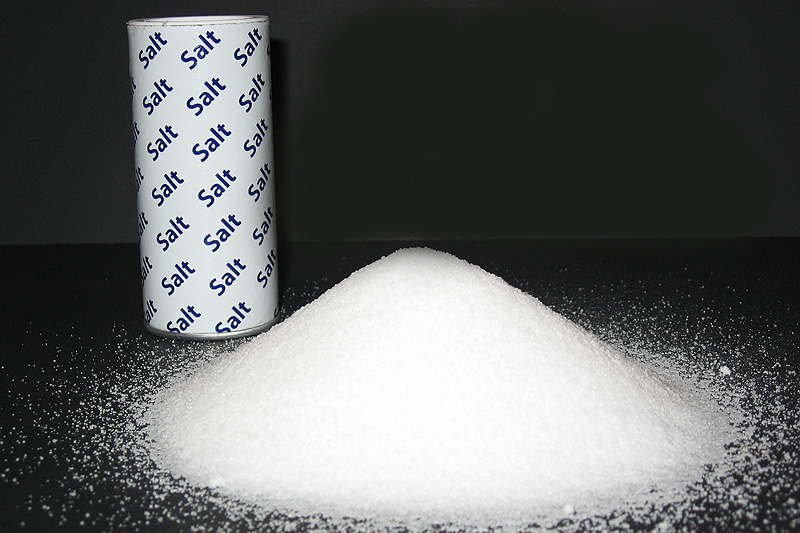
Reduction in Salt Consumption Recommended. (Copyright American Heart Association)
American Heart Association says Children’s Cardiovascular Fitness declining Worldwide
November 23, 2013
Dallas, TX – Many kids don’t run as far or fast as their parents did, according to research presented at the American Heart Association’s Scientific Sessions 2013.
The decline in running fitness may indicate worse health in adulthood, the researchers said.

Boy holding basketball with others in background. (Copyright American Heart Association)
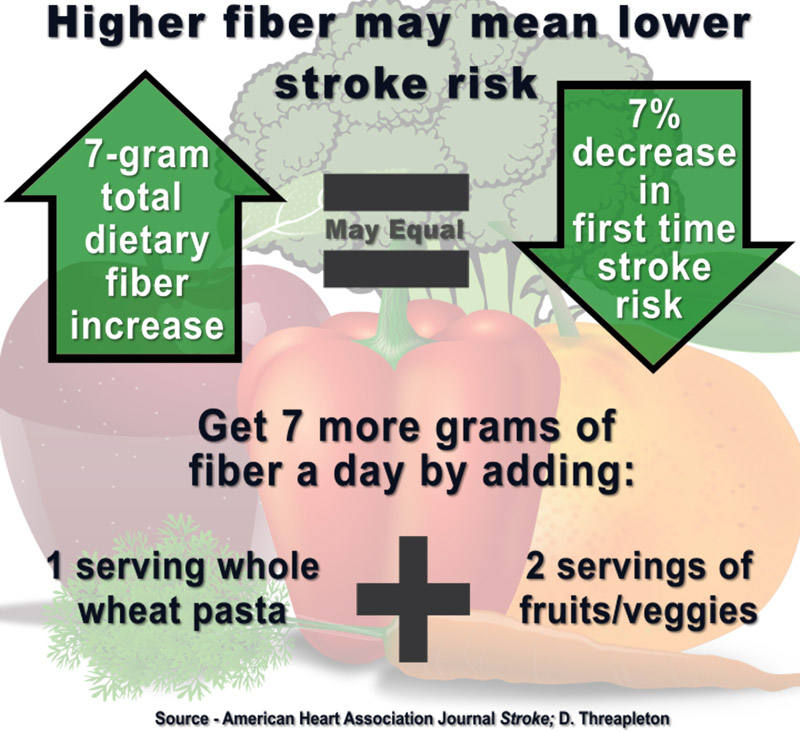
American Heart Association says eating more fiber may lower risk of first-time stroke
April 11, 2013
The results reinforce the importance of a diet that includes at least 25 grams of fiber daily.
Dallas, TX – Eating more fiber may decrease your risk of first-time stroke, according to new research in the American Heart Association journal Stroke.
Dietary fiber is the part of the plant that the body doesn’t absorb during digestion. Fiber can be soluble, which means it dissolves in water, or insoluble.
American Heart Association reports Overweight, Obese Adults use electronic device to stick to diet, exercise
March 24, 2012
Overweight and obese adults using an electronic device that provided daily messages did better at staying on diet and exercise programs.
San Diego, CA – Overweight and obese adults who used an electronic diary program on a personal digital assistant did better at staying on diet and physical activity programs, researchers reported at the American Heart Association’s Epidemiology and Prevention/Nutrition, Physical Activity and Metabolism 2012 Scientific Sessions.
People using the device, which provided tailored dietary and exercise feedback messages, were more successful in adhering to five treatment factors for weight loss. [Read more]
Losing Weight
November 27, 2011
What is healthy weight loss?
 Washington, D.C. – It’s natural for anyone trying to lose weight to want to lose it very quickly. But evidence shows that people who lose weight gradually and steadily (about 1 to 2 pounds per week) are more successful at keeping weight off. Healthy weight loss isn’t just about a “diet” or “program”. It’s about an ongoing lifestyle that includes long-term changes in daily eating and exercise habits.
To lose weight, you must use up more calories than you take in. Since one pound equals 3,500 calories, you need to reduce your caloric intake by 500—1000 calories per day to lose about 1 to 2 pounds per week.1 [Read more]
Reduce Diabetes Risk with good Nutrition and Exercise
November 13, 2010
November is American Diabetes Month
 Nashville, TN – Diabetes takes the lives of more Americans every year than breast cancer and AIDS combined, according to the American Diabetes Association. But with a healthy eating plan and regular exercise, people may reduce their risk for diabetes. As part of November’s observance of American Diabetes Month, the Tennessee Department of Health is reminding Tennesseans of free tools and tips available from Get Fit Tennessee to help reduce the risk for diabetes and its complications by improving nutrition and increasing physical activity.
“With more than an estimated 500,000 Tennesseans living with diabetes, it has become an alarming epidemic in our state,” said Health Commissioner Susan R. Cooper, MSN, RN. “The good news is that most cases of Type 2 diabetes are preventable with good nutrition and regular physical activity.” [Read more]


