


A Few Lifestyle Changes can go along way to Preventing Diabetes
December 1, 2021
 Bethesda, MD – Prediabetes is a serious medical condition that, if untreated, can put you at increased risk of developing type 2 diabetes, heart disease, and stroke.
But the good news is that by making some healthy lifestyle changes, you can manage or even reverse your prediabetes and lower your chances of it developing into type 2 diabetes.

More fruits and vegetables and fewer sugary snacks in your diet can help you combat diabetes.
High Blood Pressure affects Young, Healthy Medical Students
September 30, 2019
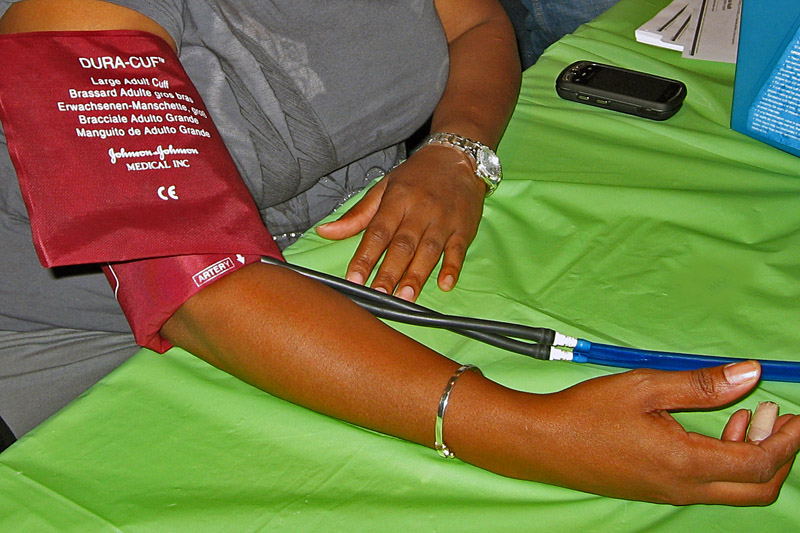
 New Orleans, LA – Almost two-thirds of medical students had above-normal blood pressure and were more than twice as likely to experience clinically high blood pressure compared to the general public, according to a study presented at the American Heart Association’s Hypertension 2019 Scientific Sessions.
High blood pressure is typically linked with older age, being overweight, smoking and/or being in general poor health.

Young male medical students were 13 times more likely to develop elevated blood pressure than their female counterparts. (American Heart Association)
Overweight as a Teen may be associated with higher risk of Heart Muscle Disease in Adulthood
June 13, 2019
 Dallas, TX – A large study of Swedish men found that those who were even mildly overweight around age 18 were more likely develop cardiomyopathy in adulthood — an uncommon heart muscle condition that can cause heart failure, according to new research in the American Heart Association’s journal Circulation.
The study examined data on height, weight and overall fitness from a Swedish registry of 1,668,893 men who enlisted in compulsory military service between 1969 and 2005, when the men were 18 or 19.
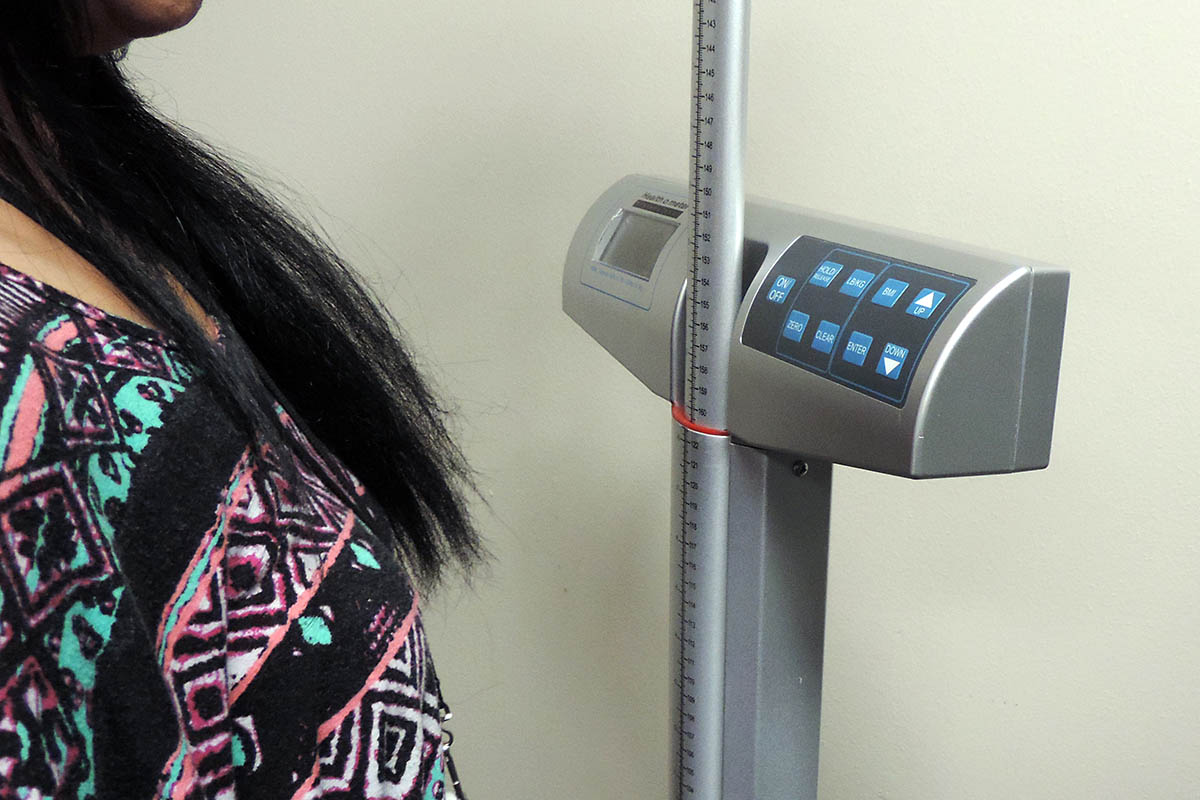
Being overweight may cause higher blood pressure and changes to the heart’s structure, even in young adults. (American Heart Association)
Yo-yo dieting may increase women’s heart disease risk
April 10, 2019
American Heart Association Meeting Report
Houston, TX – Yo-yo dieting may make it harder for women to control a variety of heart disease risk factors, according to preliminary research presented at the American Heart Association’s Epidemiology and Prevention | Lifestyle and Cardiometabolic Health Scientific Sessions 2019, a premier global exchange of the latest advances in population-based cardiovascular science for researchers and clinicians.

Women who have lost at least 10 pounds, only to regain the weight within a year, are more likely to have a poor score on the American Heart Association’s – Life’s Simple 7, a measure of how well people control important heart disease risk factors. (American Heart Association)
Better options needed for Children at higher risk of Premature Heart Disease
April 3, 2019
American Heart Association Scientific Statement
Dallas, TX – Obesity and severe obesity in childhood and adolescence have been added to the list of conditions that put children and teens at increased risk for premature heart disease, according to a new scientific statement from the American Heart Association published in the Association’s journal Circulation.
New developments in identifying and treating the increased risk of premature heart disease in children and teens with certain medical conditions associated with increased cardiovascular risk are discussed in a scientific statement from the American Heart Association. (American Heart Association)
Combining morning exercise with short walking breaks helps control blood pressure in older overweight/obese adults
April 1, 2019
American Heart Association Hypertension Journal Report
Dallas, TX – Thirty minutes of morning exercise lowers blood pressure for the rest of the day among older men and women who are overweight or obese. And women who take brief, frequent breaks from sitting throughout the day can enhance the blood pressure benefits of morning exercise even more, according to new research published in the American Heart Association’s journal Hypertension.

Women who are overweight or obese enhanced the beneficial effects of morning exercise to reduce blood pressure by adding three-minute breaks from sitting every half hour throughout the day. (American Heart Association)
Diet Drinks may be associated with Strokes among Post-Menopausal Women
March 25, 2019
American Heart Association Stroke Journal Report
Dallas, TX – Among post-menopausal women, drinking multiple diet drinks daily was associated with an increase in the risk of having a stroke caused by a blocked artery, especially small arteries, according to research published in Stroke, a journal of the American Heart Association.

In a large observational study, women who reported drinking more than one diet soda or other artificially sweetened drink a day had a higher risk of strokes caused by a blood clot. (American Heart Association)
Sleepiness common among Black Women, may be linked to High Blood Pressure
October 22, 2018
American Heart Association Meeting Report
Chicago, IL – Poor sleep habits may be related to low levels of physical activity, high blood pressure and obesity among black women, according to new research presented at the American Heart Association’s Joint Hypertension 2018 Scientific Sessions, an annual conference focused on recent advances in hypertension research.
In a study with black women who are overweight or obese, nearly half reported sleeping less than 7 hours at night, and many also reported daytime sleepiness. (American Heart Association)
Tennessee Department of Health says Talk with your Health Care Provider about Breast Cancer Screening, Rick Factors
October 20, 2017
 Nashville, TN – Breast cancer is one of the leading causes of cancer death in women in the United States.
With nearly 4,700 new cases of breast cancer diagnosed in Tennessee every year, the Tennessee Department of Health encourages residents to talk with a health care provider on when to schedule their annual mammograms. Mammography screening should begin no later than age 50.

October is Breast Cancer Awareness Month
American Heart Association reports Overweight and obese people are burdened by cardiovascular disease at younger ages
March 12, 2017
American Heart Association Meeting Report
Portland, OR – People who are overweight or obese may live as long as or less than those of healthy weight, but they experience cardiovascular disease at an earlier age and live longer burdened by the disease, according to research presented at the American Heart Association’s Epidemiology and Prevention / Lifestyle and Cardiometabolic Health 2017 Scientific Sessions.
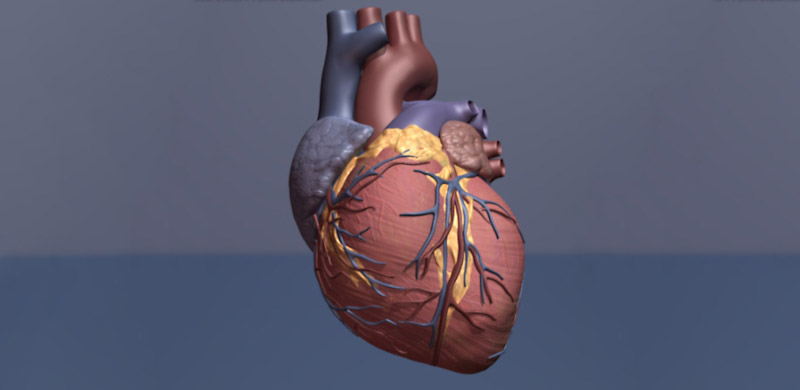
Overweight and obese people have a higher risk of developing cardiovascular disease in their lifetime. (American Heart Association)


