American Heart Association says Fish oil supplements may help prevent death after a heart attack but lack evidence of cardiovascular benefit for the general population
March 14, 2017
American Heart Association Science Advisory
 Dallas, TX – Omega-3 fish oil supplements prescribed by a healthcare provider may help prevent death from heart disease in patients who recently had a heart attack and may prevent death and hospitalizations in patients with heart failure, but there is a lack of scientific research to support clinical use of these supplements to prevent heart disease in the general population, according to a new science advisory from the American Heart Association.
“We cannot make a recommendation to use omega-3 fish oil supplements for primary prevention of cardiovascular disease at this time,” said David Siscovick, M.D., M.P.H., chair of the writing committee of the new science advisory published in the American Heart Association journal Circulation.
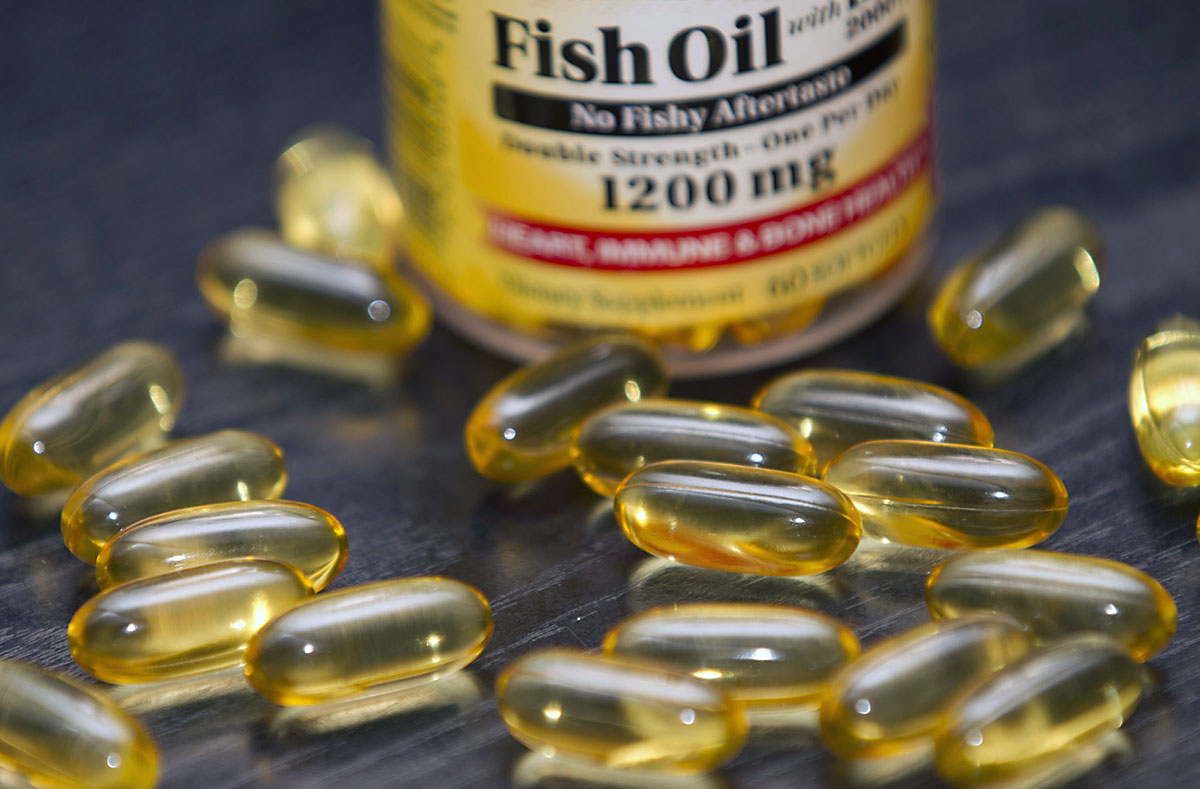
Omega-3 fish oil supplements prescribed by a healthcare provider may be reasonable for patients who have had a heart attack. (American Heart Association)
American Heart Association says Omega-3 Fatty Acids from Fish Oil may aid Healing after Heart Attack
August 2, 2016
American Heart Association Rapid Access Journal Report
Dallas, TX – Giving heart attack patients a high dose of omega-3 fatty acids from fish oil, daily for six months after a heart attack improved the function of the heart and reduced scarring in the undamaged muscle, according to new research in the American Heart Association’s journal Circulation.
The heart’s shape and function can be altered after a heart attack, a condition known as post-heart attack remodeling and it is linked with poor patient outcomes and could lead to heart failure.

Taking a high dose of omega-3 fatty acids from fish oil, daily for six months after a heart attack improved the function of the heart and reduced scarring in the undamaged muscle.. (American Heart Association)
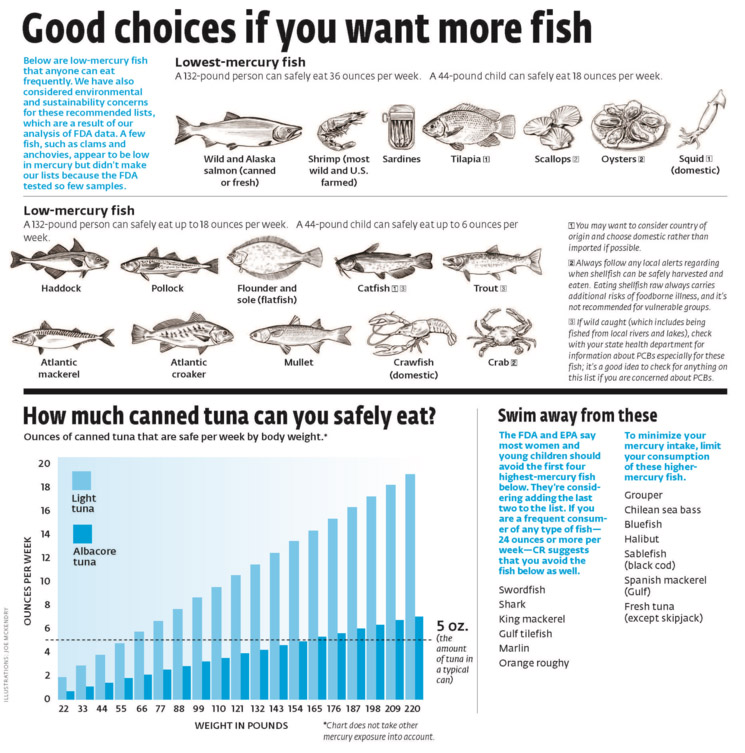
Consumer Reports Reveals Low-Mercury Fish Choices
October 19, 2014
Analysis finds eating certain species could put consumers at higher risk for mercury exposure; CR advises pregnant women not to eat tuna at all
 Yonkers, NY – Consumer Reports released its own analysis of the most recent government data on mercury in fish, found that it continues to be critical for consumers to pay close attention to the fish they consume, and has updated its advice for consumers.