


African Americans, Hispanics face greater risk of Heart Failure
February 23, 2016
 Dallas, TX – More than 915,000 Americans will be diagnosed with heart failure this year, according to the recently published American Heart Association 2016 Statistical Update.
Heart failure, a chronic, progressive condition in which the heart can’t pump blood efficiently to meet the body’s needs, is one of the most common heart diseases in the United States. In the next 15 years, the number of people living with the condition is expected to increase substantially – from 5.7 million to nearly 8 million by 2030 – and treatment costs will nearly double.
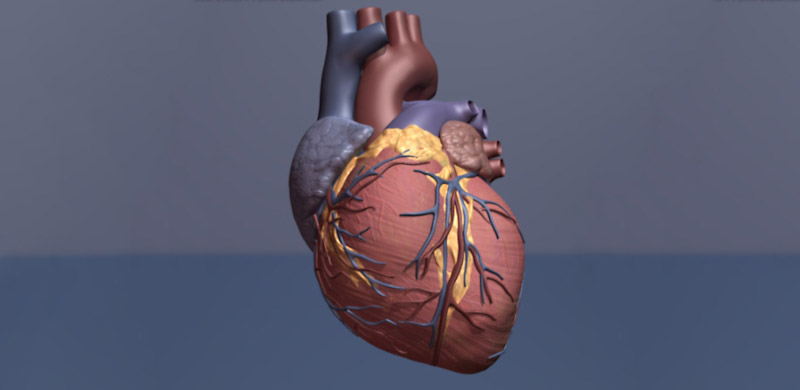
African Americans, Hispanics face greater risk of Heart Failure. (American Heart Association)
Tennessee Department of Health says Healthy Hearts Need Activity in Winter Months
February 23, 2016
TDH Offers Suggestions to Improve Heart Health
 Nashville, TN – Heart disease is the number one killer of adults in Tennessee and among its primary causes are poor diets and a lack of adequate physical activity.
The Tennessee Department of Health reminds individuals the winter months demand increased attention for heart health because short days and cold weather prompt many of us to crave comfy couches and calorie-rich, feel-good foods.

Walking outdoors.
American Heart Association reports Obese Kids young as age 8 show signs of Heart Disease
November 16, 2015
Orlando, FL – Imaging tests of obese children — some as young as 8 years old — showed signs of significant heart disease and heart muscle abnormalities, according to research presented at the American Heart Association’s Scientific Sessions 2015.
Comparing 20 obese kids with 20 normal-weight kids, researchers found that obesity was linked to 27 percent more muscle mass in the left ventricle of their hearts and 12 percent thicker heart muscles – both signs of heart disease.
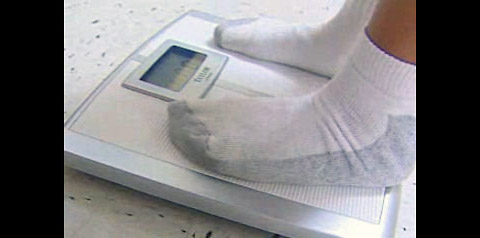
Child weighing himself on a scale. (American Heart Association)
American Heart Association says a few minutes of activity may cut Blood Pressure for people with Type 2 Diabetes
November 15, 2015
American Heart Association Meeting Report
Orlando, FL – Just a few minutes of light activity for people who sit most of the day – a short stroll or some squats at your desk every thirty minutes – can lower blood pressure for people with Type 2 diabetes, according to research presented at the American Heart Association’s Scientific Sessions 2015.
Researchers tracked blood pressure levels in 24 overweight and obese adults with Type 2 diabetes as they sat for eight hours. Participants either took 3-minute walking breaks averaging a speed about 2 miles per hour (mph) or did 3-minutes of simple resistance exercises every half-hour.
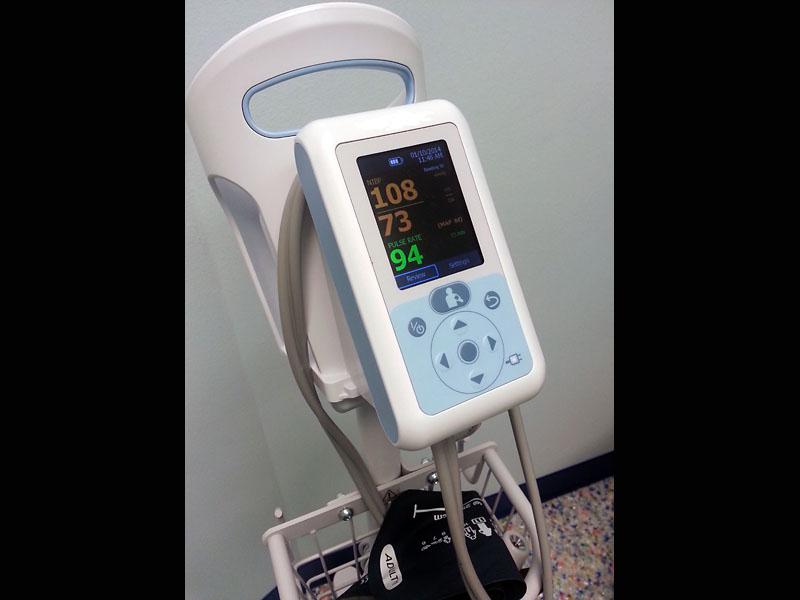
Blood pressure cuff. (American Heart Association)
American Heart Association says Moms’ Pre-Pregnancy Weight impacts risk of dying decades later
November 20, 2014
Chicago, IL – Adults whose mothers were overweight or obese before pregnancy have a dramatically elevated risk of dying from heart disease or stroke, according to a new study presented at the American Heart Association’s Scientific Sessions 2014.
“Excess weight among young women of childbearing age has important implications not only for their own health, but for that of their children as well,” said Michael Mendelson, M.D., S.M., the study’s lead author and a research fellow at the Framingham Heart Study, Boston University and the Boston Children’s Hospital.
Previous studies had shown that people whose mothers were overweight before pregnancy were at higher risk for obesity, diabetes and elevated cholesterol. This study examined whether that translated into higher rates of cardiovascular disease and death. [Read more]
American Heart Association says Long-term benefits of popular Diets are less than evident
November 13, 2014
Dallas, TX – Popular commercial diets can help you lose some weight in the short term, but keeping the weight off after the first year and the diet’s impact on heart health are unclear, according to a study published in Circulation: Cardiovascular Quality and Outcomes, an American Heart Association journal.
Nearly 70 percent of American adults are overweight or obese – and therefore at higher risk for health problems such as heart disease, stroke, high blood pressure and diabetes. Whether a diet will be effective is an important public health question. [Read more]
American Heart Association says restricting Calories may improve Sleep Apnea, Blood Pressure in Obese People
September 20, 2014
San Francisco, TN – Restricting calories may improve obstructive sleep apnea and reduce high blood pressure in obese adults, according to a study presented at the American Heart Association’s High Blood Pressure Research Scientific Sessions 2014.
People with sleep apnea may experience pauses in breathing five to 30 times per hour or more while sleeping. It prevents restful sleep and is associated with high blood pressure, arrhythmia (abnormal heart rhythm), stroke and heart failure.
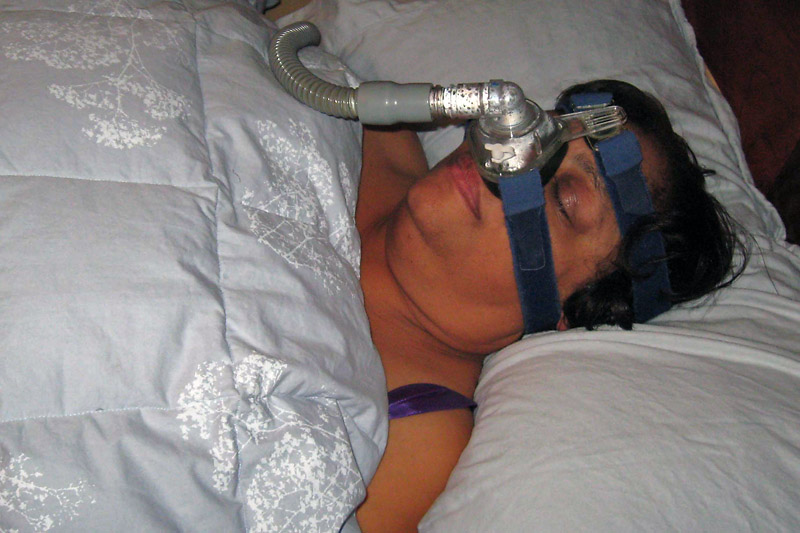
Sleep Apnea – Woman wearing CPAP. (American Heart Association)


