


FDA Requiring Labeling Changes for Opioid Pain Medicines, Opioid Use Disorder Medicines Regarding Naloxone
July 26, 2020
 Silver Spring, MD – The U.S. Food and Drug Administration has announced it is requiring that labeling for opioid pain medicine and medicine to treat opioid use disorder (OUD) be updated to recommend that as a routine part of prescribing these medicines, health care professionals should discuss the availability of naloxone with patients and caregivers, both when beginning and renewing treatment.

Goal is to Help Reduce Opioid Overdoses and Deaths
Haslam announces Aggressive, Comprehensive Plan to End Tennessee’s Opioid Epidemic
January 22, 2018
TN Together Fights Opioid Addiction through Prevention, Treatment and Law Enforcement
 Nashville, TN – Joined by leadership from the House and Senate and Chief Justice Jeff Bivins, Tennessee Governor Bill Haslam on Monday announced an aggressive and comprehensive plan to end the opioid epidemic in Tennessee by focusing on three major components: prevention, treatment and law enforcement.
TN Together is a multi-faceted initiative that addresses the issue of opioid addiction through legislation, proposed funding in the governor’s 2018-19 budget and executive actions.

Tennessee Governor Bill Haslam.
Tennessee increases availability of Naloxone to fight Opioid Overdose
September 13, 2016
 Nashville, TN – Tennessee has a powerful new tool to fight opioid overdose with the passage of Public Chapter 596. This new law allows authorized pharmacists to dispense naloxone to a person at risk of opioid overdose or to a family member, friend or other person to assist someone at risk of an opiate-related overdose.
Public Chapter 596 sets up a statewide pharmacy practice agreement for what is called “opioid antagonist therapy.”
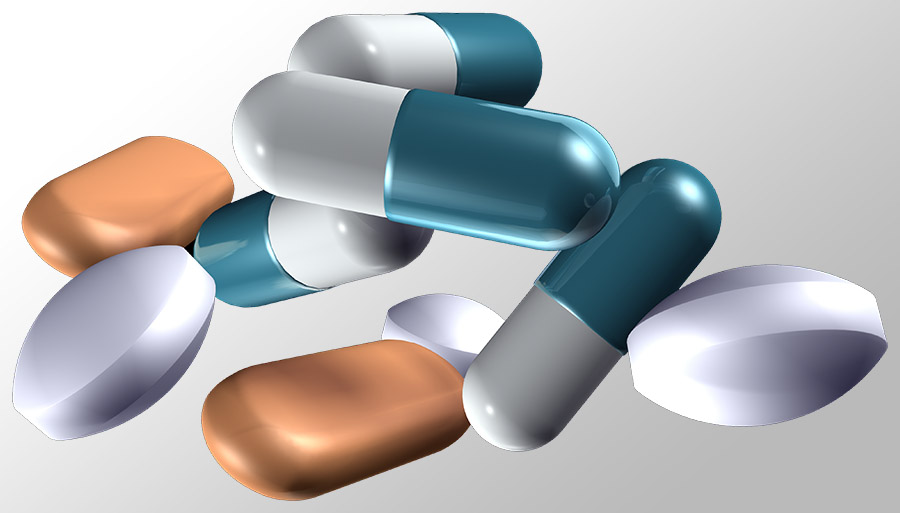
Public Chapter 596 alows authorized pharmacists to dispense naloxone for opioid overdose
Tennessee Department of Health says Naloxone offers Hope to Save Lives
September 1, 2015
Drug Overdoses Claim More Tennesseans in 2014
 Nashville, TN – Even with the availability of naloxone, the opioid overdose antidote, and fewer prescription drugs being diverted, the number of Tennesseans who die each year due to drug overdoses increased again in 2014.
The total of overdose deaths rose by nearly 100, from 1,166 in 2013 to a record-setting 1,263 in 2014. If those numbers are hard to comprehend, consider this: more people died from drug overdoses in Tennessee last year than were killed in motor vehicle accidents.


