


The History of Independence Day
July 4, 2013
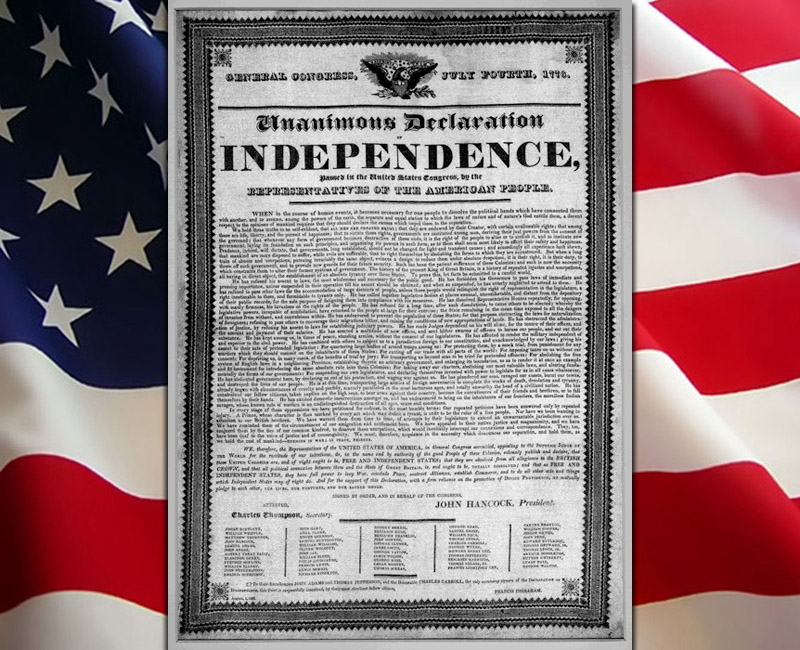
 Washington, D.C. – On July 4th, 1776, the Second Continental Congress unanimously adopted the Declaration of Independence, announcing the colonies’ separation from Great Britain.
The Constitution provides the legal and governmental framework for the United States, however, the Declaration, with its eloquent assertion “all Men are created equal,” is equally beloved by the American people.
Philadelphians marked the first anniversary of American independence with a spontaneous celebration, which is described in a letter by John Adams to Abigail Adams.
The Fantasy and Folklore of All Hallows Eve
October 23, 2011
Written by Jack Santino
Library of Congress
Washington, D.C. – Halloween had its beginnings in an ancient, pre-Christian Celtic festival of the dead. The Celtic peoples, who were once found all over Europe, divided the year by four major holidays. According to their calendar, the year began on a day corresponding to November 1st on our present calendar.
The date marked the beginning of winter. Since they were pastoral people, it was a time when cattle and sheep had to be moved to closer pastures and all livestock had to be secured for the winter months. Crops were harvested and stored. The date marked both an ending and a beginning in an eternal cycle.
The festival observed at this time was called Samhain (pronounced Sah-ween). It was the biggest and most significant holiday of the Celtic year. The Celts believed that at the time of Samhain, more so than any other time of the year, the ghosts of the dead were able to mingle with the living, because at Samhain the souls of those who had died during the year traveled into the otherworld. [Read more]


