


Counties with Dirtier Air have more Stroke Deaths
February 28, 2019
American Stroke Association
 Dallas, TX – In a nationwide study, counties with dirtier air had higher rates of stroke deaths and shorter life expectancies, according to preliminary research to be presented in Honolulu at the American Stroke Association’s International Stroke Conference 2019, a world premier meeting for researchers and clinicians dedicated to the science and treatment of cerebrovascular disease.
Researchers examined the average yearly levels air pollution (PM2.5) that contains fine inhalable particles.

About half of U.S. counties have annual air pollution levels that exceed guidelines from the Environmental Protection Agency. (American Heart Association)
American Heart Association says Household Air Pollution linked to Higher Risk of Heart Attacks, Death
June 15, 2016
American Heart Association Rapid Access Journal Report
 Dallas, TX – Long-term exposure to household air pollution from lighting, cooking or heating with fuels, such as kerosene or diesel, may increase the risk of heart attacks and death, according to new research in the American Heart Association’s journal Circulation.
Burning cleaner fuels, such as natural gas, was associated with a lower risk of cardiovascular deaths.
According to the World Health Organization, one-half of the world’s population lives in poverty and burns fuels for lighting, cooking and heating purposes.

Heart illustration with artery close up. (American Heart Association)
Tennessee State Fire Marshal’s Office offers Tips to be Safe while Camping this Summer
July 17, 2013
 Nashville, TN – As Tennesseans pack up and head out to their favorite campsites, the State Fire Marshal’s Office urges campers to be aware of carbon monoxide dangers in and around tents and RVs.
Carbon monoxide (CO), often called “the silent killer,” is an invisible, odorless gas created when fuels (such as kerosene, gasoline, wood, coal, natural gas, propane, oil, and methane) burn incompletely. Carbon monoxide can result from camping equipment, such as barbecue grills, portable generators or other fuel-powered devices.
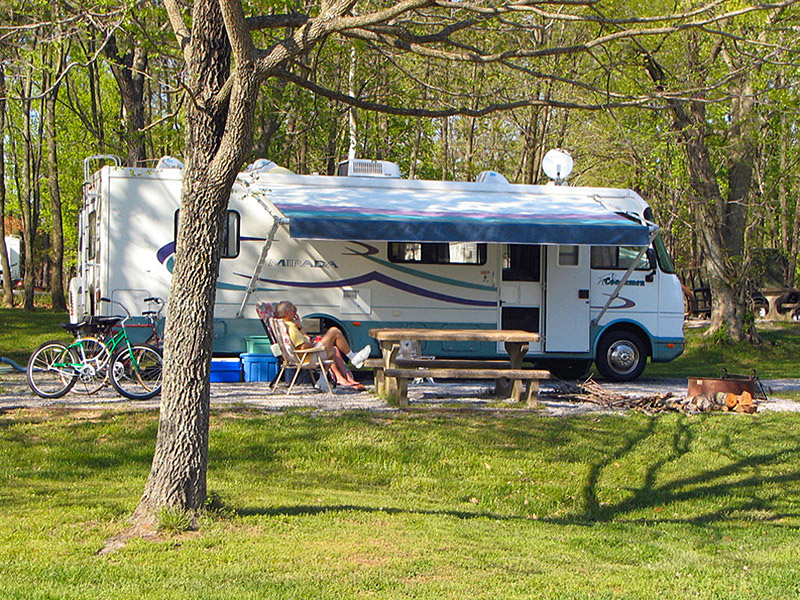
Going camping? Be aware of Carbon Monoxide Dangers
Tennessee State Fire Marshal issues warning about carbon monoxide risks in the fall
November 16, 2012
Steer clear of carbon monoxide hazards this fall
Nashville, TN – According to the Consumer Product Safety Commission, each year in America more than 150 people die from accidental, non-fire related carbon monoxide (CO) poisoning associated with consumer products.
These products include faulty, improperly used or incorrectly vented fuel-burning appliances such as furnaces, stoves, water heaters and fireplaces.
CO, often called “the silent killer,” is a gas you cannot see, taste, or smell. It can be created when fossil fuels, such as kerosene, gasoline, coal, natural gas, propane, methane or wood do not burn properly. [Read more]
Tennessee State Fire Marshal’s Office provides Carbon Monoxide Safety Tips for Campers
August 26, 2012
Going Camping? Add carbon monoxide risk to safety precaution list
Nashville, TN – As Tennesseans pack up and head out to their favorite campsites, the State Fire Marshal’s Office urges campers to be aware of carbon monoxide dangers in and around tents and RVs.
Carbon monoxide (CO), often called “the silent killer,” is an invisible, odorless gas created when fuels (such as kerosene, gasoline, wood, coal, natural gas, propane, oil, and methane) burn incompletely. Carbon monoxide can result from a number of camping equipment, such as including barbecue grills, portable generators or other fuel-powered devices. [Read more]


