


American Heart Association reports Artificial Intelligence examining ECGs predicts Irregular Heartbeat, Death Risk
November 14, 2019
 Dallas, TX – According to two preliminary studies to be presented at the American Heart Association’s Scientific Sessions 2019 — November 16th-18th in Philadelphia, artificial intelligence can examine electrocardiogram (ECG) test results, a common medical test, to pinpoint patients at higher risk of developing a potentially dangerous irregular heartbeat (arrhythmia) or of dying within the next year.
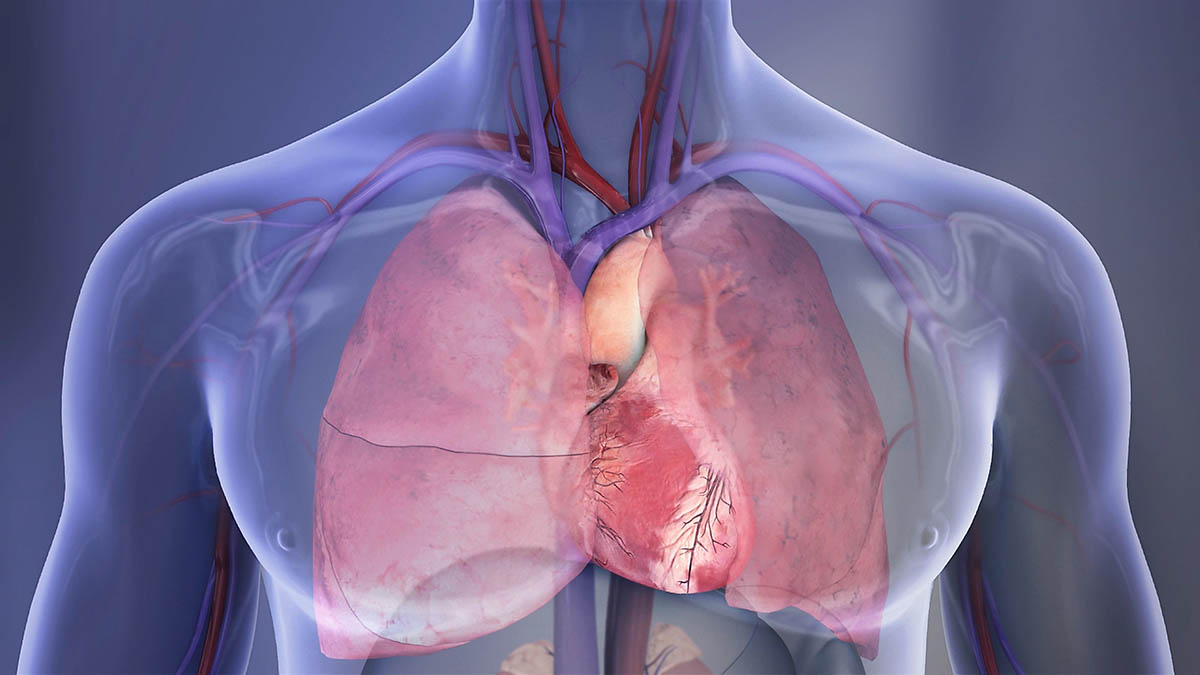
Scientists trained a computer (a neural network or artificial intelligence) to evaluate electrocardiograms (ECGs) to predict which patients are likely to develop an irregular heartbeat – even when doctors interpreted the test results as normal. (American Heart Association)
Men develop Irregular Heartbeat earlier than Women
October 19, 2017
Circulation Journal Report
 Dallas, TX – Men develop a type of irregular heartbeat, known as atrial fibrillation, about a decade earlier than women on average, and being overweight is a major risk factor, according to a large new study published in the American Heart Association’s journal Circulation.
In atrial fibrillation, the upper chambers of the heart, or atria, quiver instead of beat to move blood effectively.

The risk of developing the irregular rhythm known as atrial fibrillation rises with increasing age and weight.
American Heart Association says Physicians’ that focused on risks for stroke and dementia saved lives, money
July 20, 2012
Fewer patients needed long-term care when primary care doctors focused on the health hazards of high blood pressure, smoking, high cholesterol, diabetes, irregular heartbeats and depression.
Dallas, TX – Fewer people died or needed expensive long-term care when their physicians focused on the top risk factors for stroke and dementia, according to research reported in the Journal of the American Heart Association (JAHA).
The primary care doctors in the German study focused on high blood pressure, smoking, high cholesterol, diabetes, irregular heartbeat (atrial fibrillation) and depression. The researchers found that during a five-year period, the need for long-term care was cut 10 percent in women and 9.6 percent in men. [Read more]


