


Insomnia tied to higher risk of Heart Disease, Stroke
September 18, 2019
 Dallas, TX – People suffering from insomnia may have an increased risk of coronary artery disease, heart failure and stroke, according to new research in the American Heart Association’s journal Circulation.
Previous observational studies have found an association between insomnia, which affects up to 30% of the general population, and an increased risk of developing heart disease and stroke.
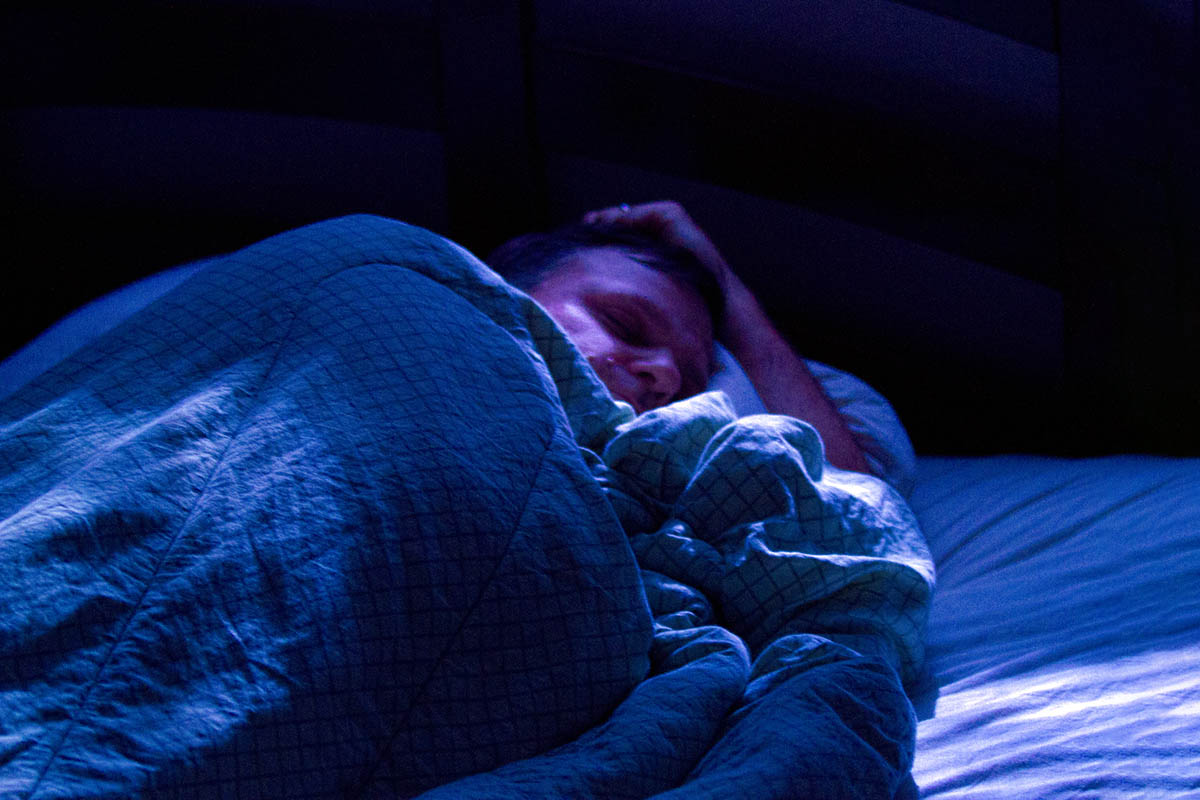
Data from more than a million people found that genetic liability to insomnia may increase the risk of coronary artery disease, heart failure and stroke. (American Heart Association)
Consumer Reports says Widespread Misuse of Common OTC Sleep Drugs May Pose Serious Health Risks
January 3, 2017
 Yonkers, NY – Too many people with insomnia routinely rely on over-the-counter sleep medications on a daily basis, finds Consumer Reports.
Given how many people develop a habit of taking these drugs, CR takes a closer look at the claim “non–habit forming,” found on packaging for these widely available medications, and notes that dependency can be psychological in nature and not necessarily physical.

Misuse of Common OTC Sleep Drugs possibly linked to increased risk of dementia
Sleep disorders may influence heart disease risk factors says American Heart Association
September 26, 2016
American Heart Association Scientific Statement
 Dallas, TX – Sleep problems including sleeping too little or too long, may be linked to a variety of factors that may raise the risk for cardiovascular diseases, according to a new American Heart Association scientific statement published in the American Heart Association journal Circulation.
The first statement by the American Heart Association on sleep and heart health outlines what we currently know about sleep irregularities and cardiovascular-related risk factors, including obesity, Type 2 diabetes, heart disease and atherosclerosis, arrhythmias, high blood pressure, stroke, unhealthy levels of triglycerides and cholesterol.

Research linking sleep problems to obesity and diabetes is robust, but longer studies measuring impact on actual weight are needed. (American Heart Association)
American Heart Association reports Sound Therapy may balance brain signals to reduce Blood Pressure, Migraines
September 22, 2016
American Heart Association Meeting Report Abstracts P310, P602
Orlando, FL – A noninvasive neurotechnology, which uses sound to balance right- and left-side brain frequencies was associated with lowered blood pressure, improved heart rate variability, and reduced symptoms of migraine headaches, according to two small studies presented at the American Heart Association’s Council on Hypertension 2016 Scientific Sessions.
The neurotechnology, called High-resolution, relational, resonance based, electroencephalic mirroring, or HIRREM® (Brain State Technologies, Scottsdale, Arizona), uses sensors placed on the scalp to measure brain electrical activity, and detect right/left imbalances, or hyperarousal, according to study author Hossam A. Shaltout, R.Ph., Ph.D., assistant professor in the Hypertension and Vascular Research Center at Wake Forest School of Medicine in Winston-Salem, North Carolina.

Spectrograph presenting brain electrical activity before HIRREM sessions. (Dr. Charles H. Tegeler, MD, Department of Neurology, Wake Forest School of Medicine)
American Heart Association says Insomnia may significantly increase Stroke Risk
April 18, 2014
American Heart Association Rapid Access Journal Report
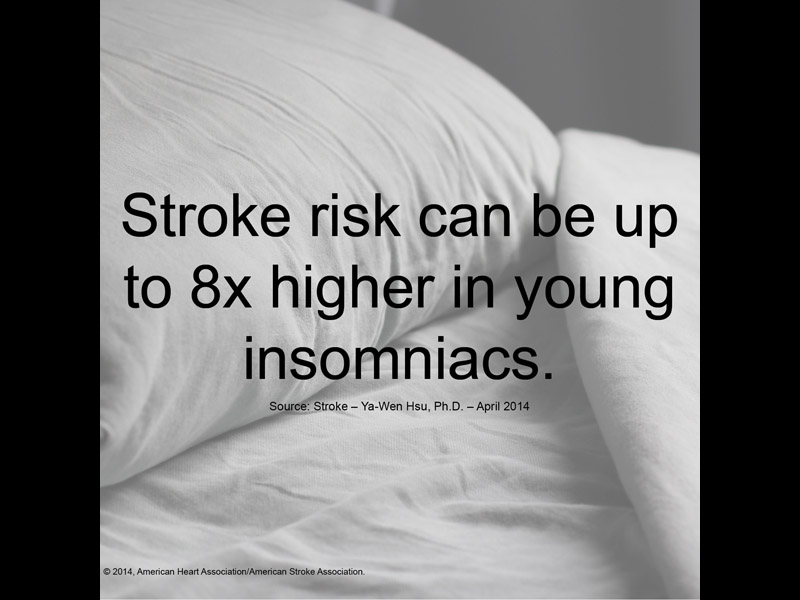
Dallas, TX – The risk of stroke may be much higher in people with insomnia compared to those who don’t have trouble sleeping, according to new research in the American Heart Association journal Stroke.
The risk also seems to be far greater when insomnia occurs as a young adult compared to those who are older, said researchers who reviewed the randomly-selected health records of more than 21,000 people with insomnia and 64,000 non-insomniacs in Taiwan.
Insomnia could moderately raise your heart attack risk
October 25, 2011
Dallas, TX – Having trouble sleeping? If so, you could have a moderately higher risk of having a heart attack, according to research reported in Circulation: Journal of the American Heart Association.
In a recent study, the risk of heart attack in people with insomnia ranged from 27 percent to 45 percent greater than for people who rarely experienced trouble sleeping.
Researchers related heart attack risks to three major insomnia symptoms. [Read more]


