


American Heart Association reports Women, Men with Heart Failure both benefit from Implanted Defibrillators
January 18, 2016
American Heart Association Rapid Access Journal Report
 Dallas, TX – Women with heart failure benefit from implantable cardiac defibrillators as much as men, according to new research in Circulation: Heart Failure, an American Heart Association journal.
“Despite current guidelines recommending that health practitioners consider adding these devices to standard heart failure treatments in both women and men, women with heart failure have been less likely to receive defibrillators. These new data reinforce the existing gender-neutral guidelines,” said Emily Zeitler, M.D., lead author of the study and a cardiology and research fellow at the Duke Clinical Research Institute in Durham, North Carolina.
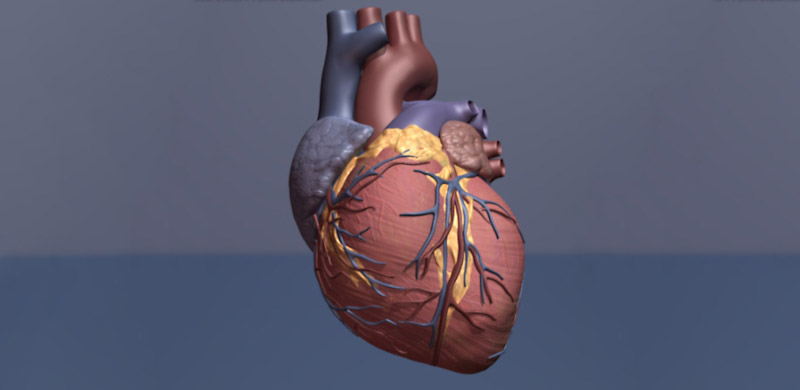
Heart Illustration. (American Heart Association)
American Heart Association says Partners of Heart Defibrillator Patients concerned about resuming Sex
November 12, 2015
American Heart Association Meeting Report
Orlando, FL – Intimate partners of people with heart defibrillators are more concerned about resuming sexual activity than the patients immediately after the device is implanted, according to research presented at the American Heart Association’s Scientific Sessions 2015.
Implantable cardiac defibrillators (ICDs) deliver an electric shock to the heart to correct life threatening heart beats.
Heart Illustration. (American Heart Association)
American Heart Association says Education, Psychological Support key for Defibrillator Patients
September 26, 2012
Each month, 10,000 people, including children, have a defibrillator implanted to restore normal heart rhythm and prevent sudden cardiac death.
Dallas, TX – Improved patient education and ongoing psychological support will help people cope with the psychological distress of having an implanted defibrillator, according to a scientific statement from the American Heart Association.
The statement, published in the American Heart Association journal Circulation, is a comprehensive review of the psychosocial and quality of life for people who receive an implantable cardioverter defibrillator (ICD) to restore normal heart rhythm and prevent sudden cardiac death. It includes recommendations for improved patient care and identifies areas where more research is needed. [Read more]


