


Wearable Defibrillators may be an alternative to Surgically Implanted Device for children with certain heart rhythm disorders
July 13, 2018
American Heart Association Circulation: Arrhythmia and Electrophysiology Journal Report
 Dallas, TX – Wearable cardioverter defibrillators – vest-like devices that deliver electric shocks to interrupt a dangerous heart rhythm – may be a safe and effective alternative to surgically implanted devices in children with ventricular heart rhythm disorders that put them at risk for sudden cardiac death, according to new research published in Circulation: Arrhythmia and Electrophysiology, an American Heart Association journal.

Study finds external wearable defibrillators are safe and effective in children with ventricular heart rhythm disorders that put them at risk for sudden cardiac death. The wearable devices may provide a reliable alternative to surgically implanted . (American Heart Association)
Four-year follow-up confirms that participation in competitive sports may be okay for many athletes with implanted cardioverter defibrillators
June 10, 2017
American Heart Association Rapid Access Journal Report
Dallas, TX – A four-year study of athletes with implantable defibrillators confirms an earlier short-term study’s findings that competitive sports may be considered for many of these athletes, according to new research in the American Heart Association’s journal Circulation.
An implantable cardioverter defibrillator (ICD) is a battery-powered device placed under the skin that tracks the heart rate and delivers an electric shock when it detects a type of abnormal heart rhythm called an arrhythmia.

ICD patients should talk to their doctors about their individual risks of participating in competitive sports.
American Heart Association says Shock from Heart Device often triggers further Health Care needs
February 21, 2017
American Heart Association Rapid Access Journal Report
Dallas, TX – A shock from an implantable cardioverter defibrillator (ICD) may trigger an increase in health care needs for many people, regardless whether the shock was medically necessary, according to a new study published in Circulation: Cardiovascular Quality and Outcomes, an American Heart Association journal.
ICDs save people from sudden cardiac death by delivering a shock to restore a normal rhythm when the lower chambers of their heart, or ventricles, beat erratically.
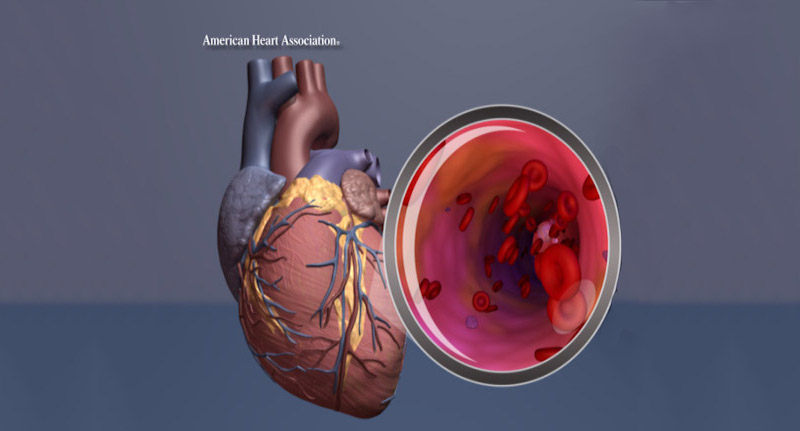
Heart illustration with artery close up. (American Heart Association)
American Heart Association New Report Outlines Ten Measures for the Prevention of Sudden Cardiac Death according
December 21, 2016
American Heart Association/American College of Cardiology Clinical Performance and Quality Measures
Washington, D.C. – A new report presents 10 quality and performance measures that are intended to help stakeholders—including health systems, legislative bodies, and nongovernmental organizations, as well as healthcare practitioners, patients, families and communities—in the effort to prevent sudden cardiac death.
The joint report from the American College of Cardiology and the American Heart Association is published online today in the Journal of the American College of Cardiology and Circulation: Cardiovascular Quality and Outcomes.
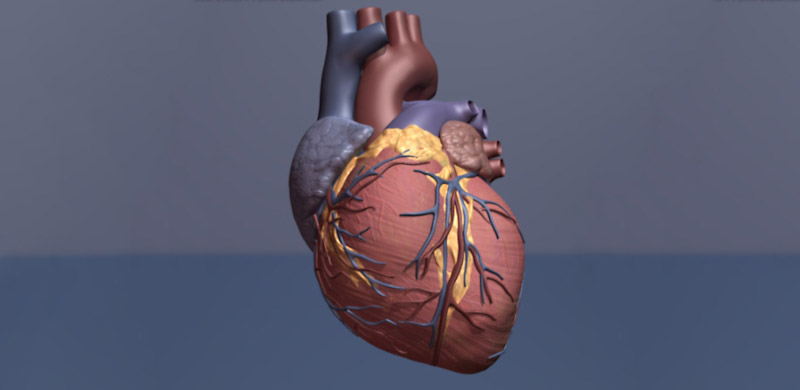
Sudden cardiac death is an unexpected death due to the sudden cessation of cardiac activity, which is also known as sudden cardiac arrest. (American Heart Association)
American Heart Association says new Implanted Defibrillator works well without touching Heart
August 29, 2013
Dallas, TX – A new type of defibrillator implanted under the skin can detect dangerously abnormal heart rhythms and deliver shocks to restore a normal heartbeat without wires touching the heart, according to research in the American Heart Association journal, Circulation.
The subcutaneous implantable cardiac defibrillator (S-ICD®System) includes a lead placed under the skin along the left side of the breast bone. Traditional implantable cardiac defibrillators (ICDs) include electrical conducting wires inserted into blood vessels that touch the heart.
[youtube]http://www.youtube.com/watch?v=b19gnplaP8U[/youtube] [Read more]
American Heart Association reports Computer software monitoring detects ICD malfunctions sooner
March 6, 2012
Dallas, TX – A software monitoring program that tracks implantable cardioverter-defibrillator (ICD) function could detect problems with the devices earlier than current monitoring processes, according to new research in Circulation: Cardiovascular Quality and Outcomes, an American Heart Association journal.
ICDs monitor heart rhythms and deliver electric shocks to restore normal rhythm when life-threatening, irregular heartbeats occur. But the surgically implanted devices can malfunction, particularly in the leads, or wires, that connect them to the heart, causing injury or death. Device manufacturers track repeated malfunctions and issue recalls if they’re widespread. However, often by the time of the recall, thousands of the devices have been implanted in patients worldwide. [Read more]


