


American Heart Association reports Higher Thyroid Hormone Levels associated with Artery Disease and Death
November 4, 2017
American Heart Association Rapid Access Journal Report
 Dallas, TX – High and high-normal levels of a thyroid hormone called FT4, were associated with artery disease and death in elderly and middle-aged people, according to new research in Circulation Research, an American Heart Association journal.
Researchers analyzed data from 9,420 participants (average age 65, 57 percent women) in the Rotterdam Study looking at data on two types of hormones: thyroid-stimulating hormone and free thyroxine (known as FT4) and their link to atherosclerosis and death due to coronary heart disease, cerebrovascular disease or other artery-related illness.
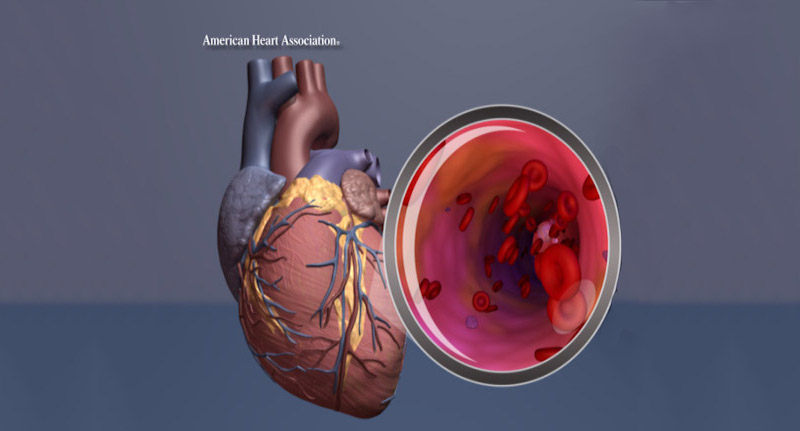
High and high-normal levels of a thyroid hormone called free thyroxine or FT4, were associated with artery disease and death in elderly and middle-aged people. (American Heart Association)
High Blood Pressure reasons differ by gender in teens; young adults
September 29, 2017
American Heart Association Meeting Report
San Francisco, CA – There are marked gender differences in what drives blood pressure in middle-age in adulthood, suggesting the need for gender-specific treatments for high blood pressure, according to research presented today at the American Heart Association (AHA) Council on Hypertension, AHA Council on Kidney in Cardiovascular Disease, American Society of Hypertension Joint Scientific Sessions 2017, in San Francisco.

Gender matters when it comes to what’s most likely to elevate blood pressure in young to middle-aged adults. (American Heart Association)
American Stroke Association says Moderate Exercise cuts Women’s Stroke Risk
March 9, 2014
 San Diego, CA – Women don’t need to run marathons or do intense aerobics to reduce their stroke risk. Moderate-intensity exercise — such as brisk walking or playing tennis — may do the trick, according to research presented at the American Stroke Association’s International Stroke Conference 2014.
The study found that moderate exercise also helps offset the increased stroke risk seen with postmenopausal women taking menopausal hormones, but not completely. [Read more]


