


President Donald Trump’s Declares National Emergency Concerning Novel Coronavirus Disease (COVID-19) Outbreak
March 13, 2020
 Washington, D.C. – In December 2019, a novel (new) coronavirus known as SARS-CoV-2 (“the virus”) was first detected in Wuhan, Hubei Province, People’s Republic of China, causing outbreaks of the coronavirus disease COVID-19 that has now spread globally.
The Secretary of Health and Human Services (HHS) declared a public health emergency on January 31st, 2020, under section 319 of the Public Health Service Act (42 U.S.C. 247d), in response to COVID-19.

U.S. President Donald J. Trump
Medicare Study Shows Most Medical Errors Go Unreported
January 16, 2012
CMS Will Work to Make Hospitals Track Errors Better Internally But Information Will Be Kept From The Public
 Washington, D.C. – A new study released by the Office of the Inspector General (OIG) of the Department of Health and Human Services (HHS) found that hospital employees are only reporting fourteen percent of all medical errors and usually don’t change their practices to prevent future harm to patients.
The study was based on an independent review of patient records. Federal regulations require hospitals to track all medical errors and adverse events that harm patients and to implement preventive measures to protect patients. Only five of the 293 reported cases of medical errors reviewed by federal investigators led to changes in policies or practices by hospitals to prevent harm to patients. [Read more]
Population-wide Reduction in Salt Consumption Recommended
January 17, 2011
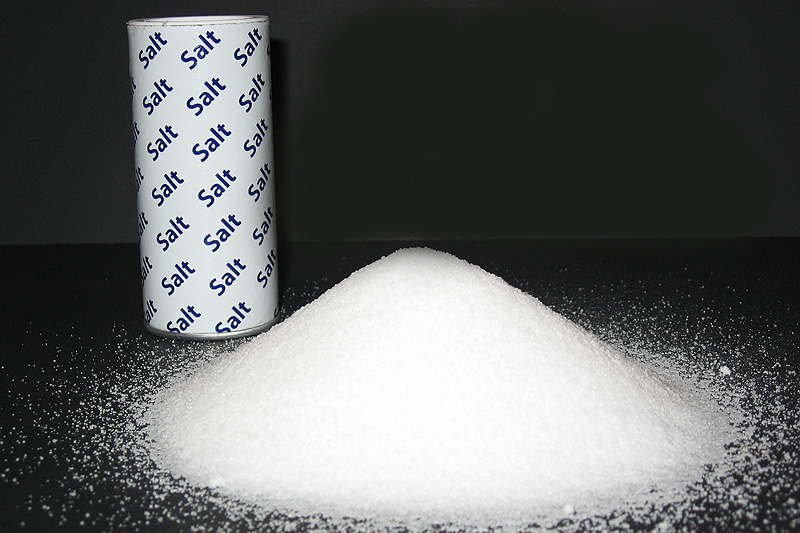
 Dallas, TX – The American Heart Association today issued a call to action for the public, health professionals, the food industry and the government to intensify efforts to reduce the amount of sodium (salt) Americans consume daily – which is currently more than two times higher than the recommended upper limit of 1,500 mg daily, with 77 percent of that consumption coming from packaged, processed and restaurant foods.
In an advisory, published in Circulation: Journal of the American Heart Association, the association sets out the science behind the American Heart Association’s recommendation for the general population, which is to consume no more than 1500 milligrams (mg) of sodium a day because of the harmful effects of sodium – elevated blood pressure and increased risk of stroke, heart attacks and kidney disease. Elevated blood pressure (hypertension) is a major public health problem – approximately 90 percent of all Americans will develop hypertension over their lifetime.
Reduction in Salt Consumption Recommended


