


American Heart Association says Less than half of Patients prescribed new Cholesterol Drug receive Insurance Approval
November 3, 2017
Circulation Journal Report
 Dallas, TX – Less than half of patients received their insurer’s approval for prescriptions of PCSK9 inhibitors, according to new research in the American Heart Association’s journal Circulation.
PCSK9 inhibitors, like Repatha (evolocumab) and Praluent (alirocumab), work by increasing the removal of low-density lipoprotein (LDL) or “bad” cholesterol from the blood. They have been shown to reduce LDL by 60 percent and decrease major cardiac events but cost much more than other cholesterol-lowering drugs with an average cost of $14,300 per year. Prescriptions require prior authorization by health insurance companies.

Prepping the patient to draw blood for a cholesterol test. (American Heart Association)
American Heart Association says Smoking leaves historical “footprint” in DNA
September 27, 2016
American Heart Association Rapid Access Journal Report
Dallas, TX – Smoking leaves its “footprint” on the human genome in the form of DNA methylation, a process by which cells control gene activity, according to new research in Circulation: Cardiovascular Genetics, an American Heart Association journal.
The new findings suggest that DNA methylation could be an important sign that reveals an individual’s smoking history, and could provide researchers with potential targets for new therapies.

Smoking has a very broad, long-lasting impact on the human genome. (American Heart Association)
American Heart Association says Genetically inherited High Cholesterol twice as common as believed
March 15, 2016
American Heart Association Rapid Access Journal Report
Dallas, TX – Genetically inherited high levels of cholesterol are twice as common in the United States as previously believed, affecting 1 in 250 adults, according to new research in the American Heart Association’s journal Circulation.
The condition, familial hypercholesterolemia (FH), leads to severely elevated cholesterol levels from birth and is a leading cause of early heart attack.
Prepping the patient to draw blood for a cholesterol test. (American Heart Association)
A ten percent price change could prevent heart disease and death
March 6, 2016
American Heart Association Meeting Report
Phoenix, AZ – A ten percent drop in price for healthy foods and a ten percent increase in the price of unhealthy foods could potentially prevent a significant number of people from dying from heart disease and stroke, according to research presented at the American Heart Association’s Epidemiology/Lifestyle 2016 Scientific 2016 meeting.

Decreasing the price of fruits, vegetables and grains by ten percent, while increasing the price of sugary drinks by ten percent, could prevent 515,000 deaths from cardiovascular disease over 20 years. (American Heart Association)
American Heart Association, two other major organizations issue new recommendations for treating patients with High Blood Pressure and Cardiovascular Disease
April 8, 2015
Dallas, TX – A new scientific statement issued jointly by three medical organizations and published in the American Heart Association’s journal Hypertension, addresses how low to aim when treating patients with high blood pressure who also have vascular diseases.
The document provides an up-to-date summary on treating hypertension in patients who have both high blood pressure and have had a stroke, heart attack or some other forms of heart disease, said Elliott Antman, M.D., President of the American Heart Association and professor of medicine at Harvard Medical School.
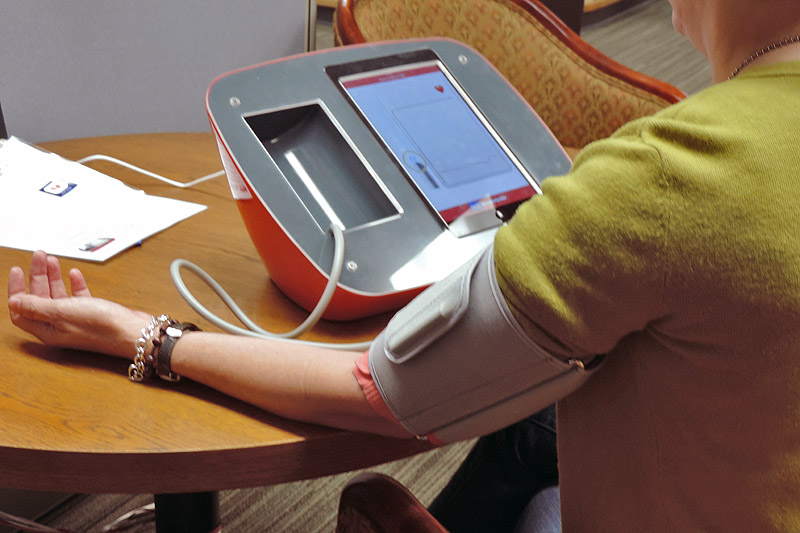
Blood pressure monitoring. (American Heart Association)
American Heart Association says Living near major roads may increase risk of sudden Cardiac Death in Women
October 22, 2014
Dallas, TX – Living close to a major road may increase women’s risk of dying from sudden cardiac death, according to new research in the American Heart Association journal Circulation.
“It’s important for healthcare providers to recognize that environmental exposures may be under-appreciated risk factors for diseases such as sudden cardiac death and fatal coronary heart disease,” said Jaime E. Hart, Sc.D., study lead author and an instructor in medicine at Brigham and Women’s Hospital and Harvard Medical School in Boston, Massachusetts. “On a population level, living near a major roadway was as important a risk factor as smoking, diet or obesity.”

Living near a major road was associated with an increased risk of sudden cardiac death in women. (American Heart Association)
American Heart Association funding new research network aimed at preventing heart disease, stroke
July 10, 2014
Vanderbilt one of four major institutions in network
Dallas, TX – Four major institutions are banding together in a new research network aimed at preventing heart disease and stroke, the two leading causes of death in the world.
The Strategically Focused Prevention Research Network Centers — funded by a $15 million grant from the American Heart Association — is designed to help people live longer, healthier lives. [Read more]
Playing College Football linked with High Blood Pressure Risk according to study in American Heart Association’s Circulation journal
July 30, 2013
Dallas, TX – College football players, especially linemen, may develop high blood pressure over the course of their first season, according to a small study in the American Heart Association’s journal Circulation.
Researchers documented higher blood pressure levels among 113 first-year college players. Only one player had already been diagnosed with hypertension before the season and 27 percent had a family history of hypertension.

American Heart Association High Blood Pressure Illustration. (American Heart Association)
American Heart Association says Elevated blood pressure increasing among Children, Adolescents
July 17, 2013
Dallas, TX – The risk of elevated blood pressure among children and adolescents rose 27 percent during a thirteen-year period, according to new research in the American Heart Association journal Hypertension.
Higher body mass, larger waistlines and eating excess sodium may be the reasons for the elevated blood pressure readings, researchers said.
High blood pressure is a risk factor for stroke, heart disease and kidney failure — accounting for about 350,000 preventable deaths a year in the United States.
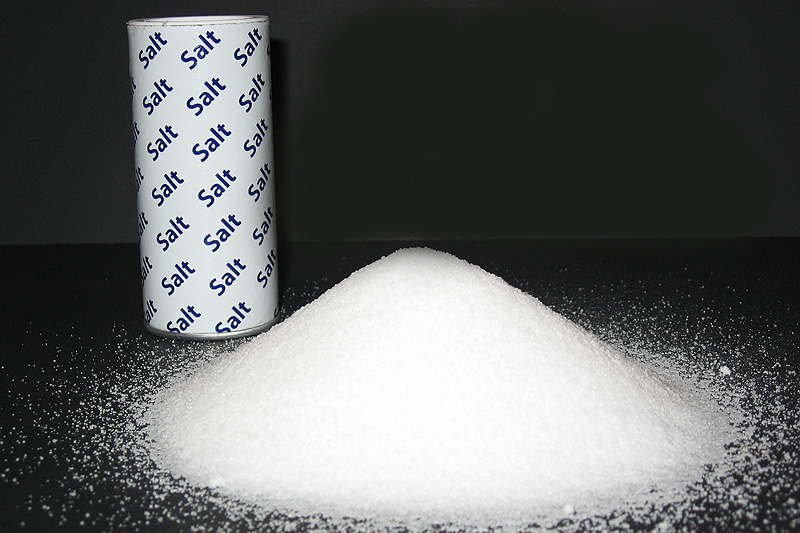
Obesity and excess salt are associated with elevated blood pressure in children ages 8-17. (Copyright American Heart Association)
American Heart Association says DNA particles in the Blood may help speed detection of Coronary Artery Disease
July 4, 2013
High blood levels of these DNA particles may eventually help identify patients at risk for further serious heart problems.
Dallas, TX – DNA fragments in your blood may someday help doctors quickly learn if chest pain means you have narrowed heart arteries, according to a new study published in the American Heart Association journal Arteriosclerosis, Thrombosis, and Vascular Biology.
The study involved 282 patients, ages 34 to 83, who reported chest pain and were suspected of having coronary artery disease. Researchers used computed tomography imaging to look for hardened, or calcified, buildup in the blood vessels that supply the heart. Blood samples also were tested for bits of genetic material. Release of small DNA particles in the blood occurs during chronic inflammatory conditions such as coronary artery disease. [Read more]


