


AAA says Owning an Electric Vehicle is the Cure for Most Consumer Concerns
January 23, 2020
 Orlando, FL – New research from AAA finds that over five years and 75,000 miles of driving, the annual cost of owning a new compact electric vehicle is only slightly more expensive – about $600.00 annually – than its gas-powered counterpart.
The study also revealed that the experience of owning an electric vehicle eases one of the biggest fears associated with these cars – range anxiety.
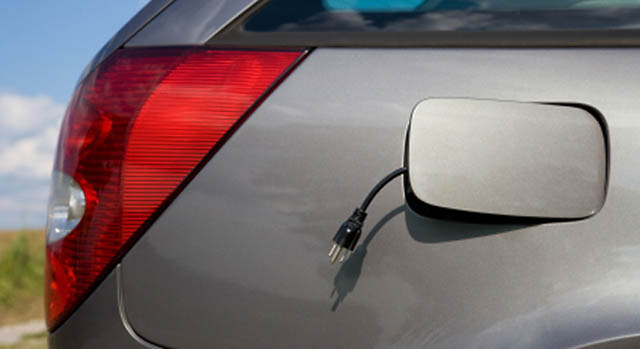
New study pulls back the curtain on the experience of going green and costs of electric vehicle ownership. (AAA)
AAA: Why Aren’t Americans Plugging in to Electric Vehicles?
May 26, 2019
 Orlando, FL – AAA’s latest survey reveals that despite many Americans having interest in electric vehicles, when asked if most vehicles will be electric by 2029, only 4 in 10 said yes.
Yet, a separate study AAA conducted earlier this year found that more than half of Americans believe that in this same time frame most cars will have the ability to drive themselves – a reality that is much less likely to happen.
AAA finds interest in going green remains steady but consumers still slow to adopt Electric Vehicles. (AAA)
Icy Temperatures Cut Electric Vehicle Range Nearly in Half
March 2, 2019
AAA
Orlando, FL – As freezing temperatures plague much of the country, electric vehicle owners may experience a decrease in driving range, compounded by the use of the vehicle’s interior climate control.
New research from AAA reveals that when the mercury dips to 20°F and the HVAC system is used to heat the inside of the vehicle, the average driving range is decreased by 41 percent. This means for every 100 miles of combined urban/highway driving, the range at 20°F would be reduced to 59 miles.

AAA research finds HVAC use in frigid temperatures causes substantial drop in electric vehicle range. (AAA)
AAA Reveals True Cost of Vehicle Ownership
January 1, 2018
Orlando, FL – Owning and operating a new vehicle in 2017 will cost a driver an average of $8,469 annually, or $706.00 each month, according to a new study from AAA. The annual evaluation of driving costs reveals that small sedans are the least expensive vehicles to drive at $6,354 annually, however small SUVs ($7,606), hybrids ($7,687) and electric vehicles ($8,439) all offer lower-than-average driving costs to U.S. drivers.

Average new vehicle will cost nearly $8,500 annually to own and operate.
Driving a Tesla may not trip your Defibrillator
November 29, 2017
 Anaheim, CA – Sitting in, or standing close to the charging port of a Tesla electric vehicle didn’t trigger a shock or interfere with implantable defibrillator performance, according to preliminary research presented at the American Heart Association’s Scientific Sessions 2017, a premier global exchange of the latest advances in cardiovascular science for researchers and clinicians.

Research team (L to R) Abdul Wase M.D. (Principal Investigator), Marina Brown R.N., Ken Shneider, Thein Aung M.D., Matt Clark, Dawn Hunt and Kimberle Evans R.N. Good Samaritan Hospital Dayton, Ohio. (Joe Carfora)
AAA says Electric Vehicle Sales All Charged Up
September 20, 2015
Tampa, FL – According to the National Automobile Dealers Association (NADA) the price of used electric vehicles (EVs) are projected to decrease by 30 percent this year.
One of the factors contributing to declining prices in the EV market is the substantial number of used EV’s coming off lease. NADA Electric Vehicle Retention Report Card suggests trade-in values of two year old EVs have dropped in recent months.
This is exciting news for motorists who have a desire to purchase an EV without the high sticker price of a new one.

Tennessee Announces Clean Tennessee Energy Grant Program and Energy Efficiency Projects
January 11, 2012
Projects Benefit Both the Environment and Bottom Line
 Nashville, TN – Tennessee Deputy Governor Claude Ramsey, Department of Environment and Conservation Commissioner Bob Martineau and General Services Commissioner Steven G. Cates today announced a series of energy efficiency projects in state government, as well as the new Clean Tennessee Energy Grant Program.
The state projects, as well projects for other public and private entities that will be funded through the grant program, are designed to both increase cost savings and decrease emissions.
“Increasing energy efficiency in state government will help us be even better stewards of both taxpayer dollars and our environment,” Haslam said. “These projects will benefit Tennesseans on both fronts, and I look forward to implementing additional projects as we move forward.” [Read more]


