


Obesity in Young Women may set the stage for Heart Complications during and after Pregnancy
August 17, 2018
American Heart Association Meeting Report
 San Antonio, TX – Even in young women, obesity may potentially lead to heart complications during and after pregnancy, according to preliminary research presented at the American Heart Association’s Basic Cardiovascular Sciences Scientific Sessions, a premier global exchange of the latest advances in basic cardiovascular science.
Obesity is a risk factor for preeclampsia, a type of dangerous high blood pressure that can occur during the second half of pregnancy and leaves women more prone to high blood pressure and heart disease later in life.
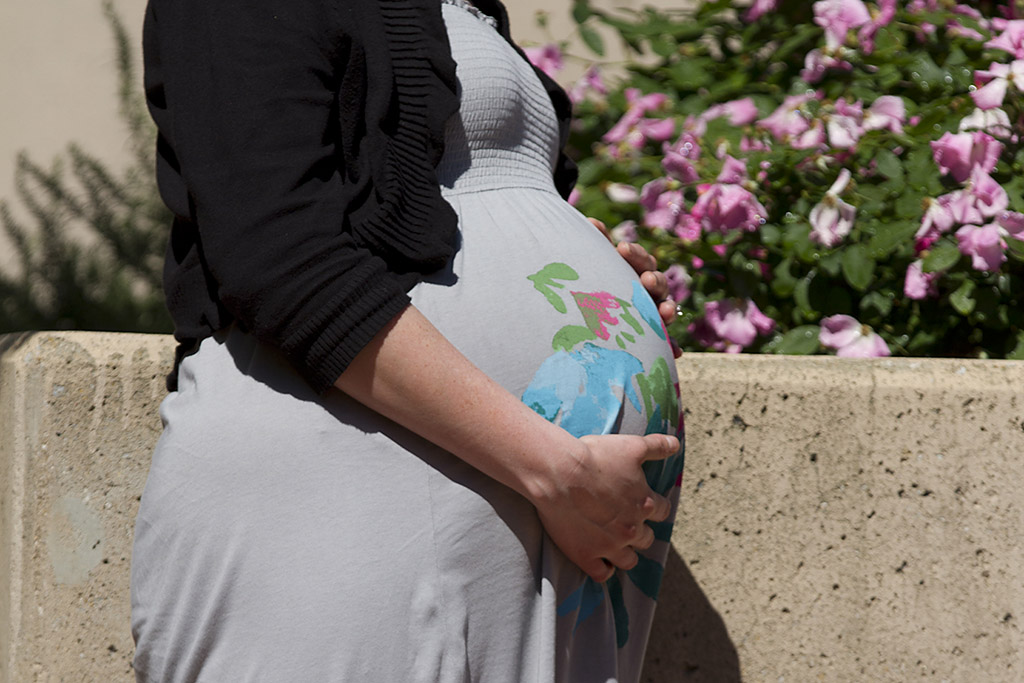
Obesity may potentially lead to preeclampsia, a form of dangerous high blood pressure that can occur during the second half of pregnancy. (American Heart Association)
Women with smaller-than-average fetuses may face heart problems
July 13, 2012
High body mass index may contribute to heart function abnormalities in these pregnancies.
Dallas, TX – Women pregnant with smaller-than-average fetuses may also need to worry about their long-term cardiovascular health risks, according to new research in the American Heart Association’s journal Hypertension.
Women diagnosed with fetal growth restriction (FGR) may also have an asymptomatic diastolic dysfunction in which the heart doesn’t work at peak efficiency during its relaxation phase. [Read more]
Tennessee Department of Health says simple Test for Infants can detect Heart Defects
June 20, 2012
 Nashville, TN – A simple bedside test soon to be required for all babies born in Tennessee can detect a significantly higher number of critical congenital heart defects. Pulse oximetry testing will become part of the standard Recommended Uniform Screening Panel now in place across Tennessee effective January 1st, 2013.
Currently, Tennessee screens 29 conditions that are part of the National Recommended Uniform Screening Panel. Pulse oximetry, which determines the amount of oxygen in a baby’s blood and also measures heart rate, can help identify up to 20 percent more babies with defects than previous exam methods. [Read more]


