


Driving a Tesla may not trip your Defibrillator
November 29, 2017
 Anaheim, CA – Sitting in, or standing close to the charging port of a Tesla electric vehicle didn’t trigger a shock or interfere with implantable defibrillator performance, according to preliminary research presented at the American Heart Association’s Scientific Sessions 2017, a premier global exchange of the latest advances in cardiovascular science for researchers and clinicians.
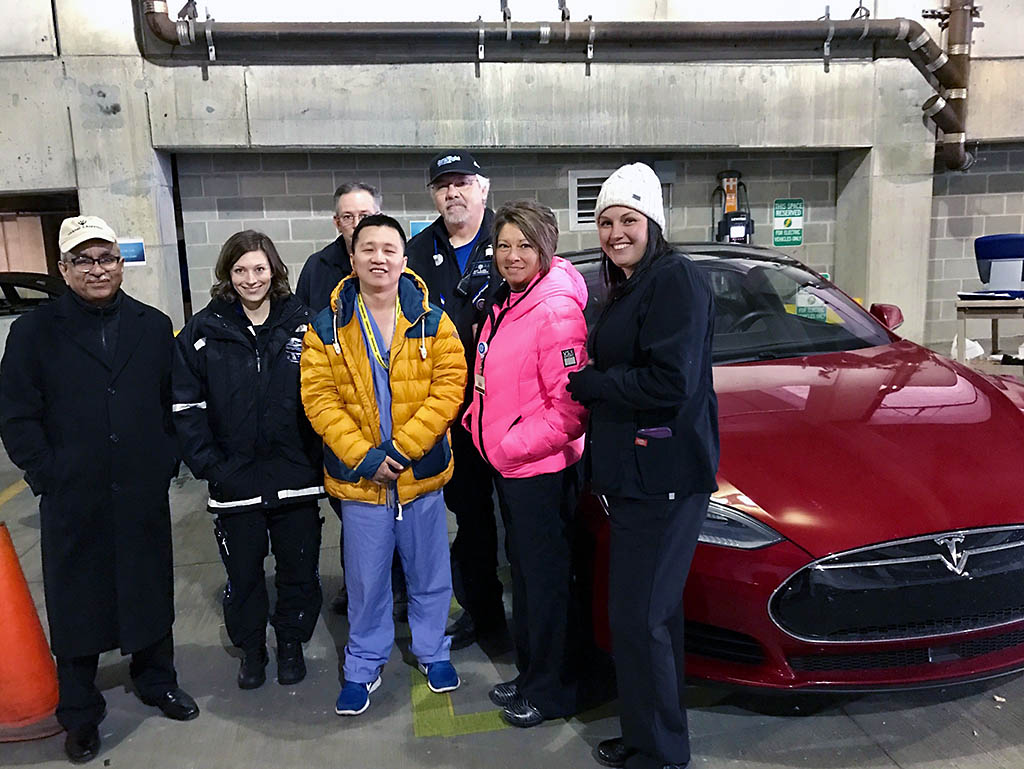
Research team (L to R) Abdul Wase M.D. (Principal Investigator), Marina Brown R.N., Ken Shneider, Thein Aung M.D., Matt Clark, Dawn Hunt and Kimberle Evans R.N. Good Samaritan Hospital Dayton, Ohio. (Joe Carfora)
American Heart Association says Heart Disease and Stroke continue to take a toll on lives
January 1, 2017
Statement from Nancy Brown, American Heart Association CEO
Predicted trend in increased Holiday Deaths Occurs
Dallas, TX – Reports of sudden, unexpected deaths linked to heart disease and stroke command our daily news headlines, but seemingly even more so in these past few weeks. The untimely loss of so many deeply saddens us.
And it’s troubling to know that even though we have made massive strides in research toward treatment and cure, needless suffering and death from heart disease and stroke persist.
Cardiovascular disease continues to be the leading global cause of death. More than 17.3 million people die from heart disease, stroke and other cardiovascular diseases around the world each year.
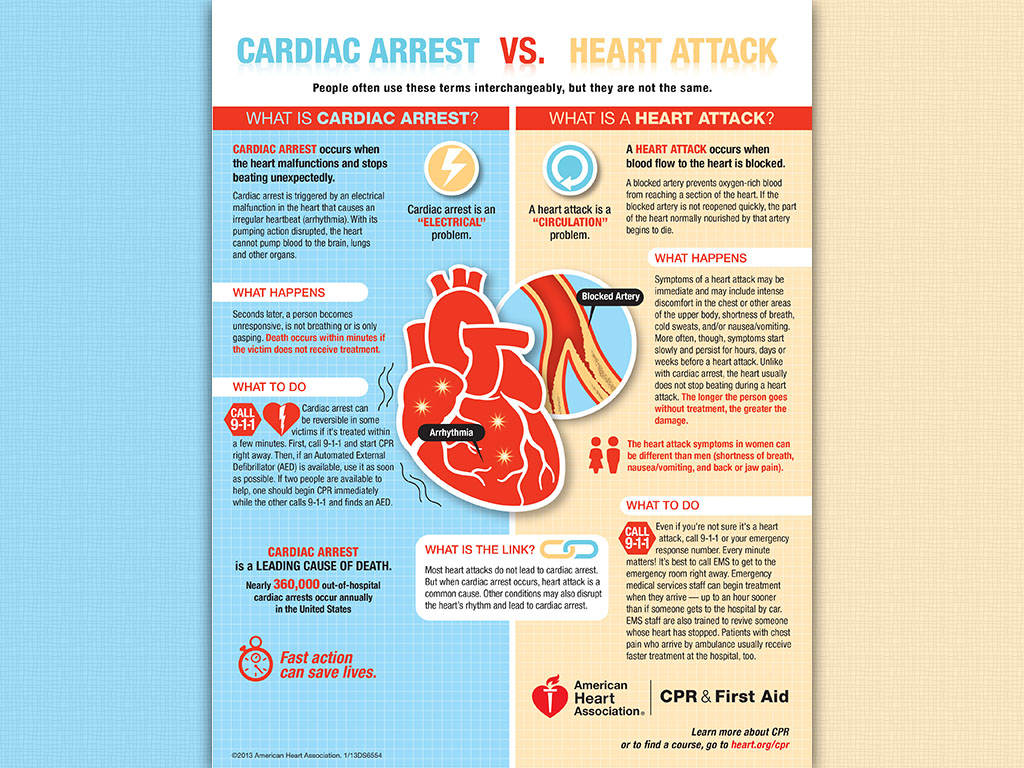
CARDIAC ARREST occurs when the heart malfunctions and stops beating unexpectedly. Cardiac arrest is an “ELECTRICAL” problem. A HEART ATTACK occurs when blood flow to the heart is blocked. A heart attack is a “CIRCULATION” problem. A blocked artery prevents oxygen-rich blood from reaching a section of the heart. If the blocked artery is not reopened quickly, the part of the heart normally nourished by that artery begins to die. (American Heart Association)
Short episodes of Abnormal Heart Rhythm may not increase Risk of Stroke
October 18, 2016
American Heart Association Rapid Access Journal Report
Dallas, TX – People with pacemakers or defibrillators who experience only short episodes of an abnormal heart rhythm known as atrial fibrillation have a very low risk of stroke, suggesting that anticoagulants in this group of patients were not likely to reduce the risk for stroke, according to new research in the American Heart Association’s journal Circulation.
Atrial fibrillation is the most common abnormal heart rhythm, affecting approximately 2.7 million Americans.
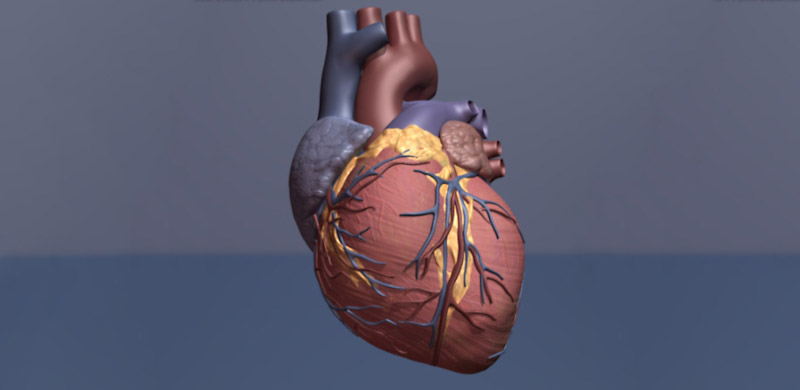
People with pacemakers or defibrillators who experience short episodes an abnormal heart rhythm called atrial fibrillation have no higher risk for stroke or other medical complications than people without documented atrial fibrillation. (American Heart Association)
American Heart Association says Women’s Heart Disease should be a Research Priority
March 11, 2015
Dallax, TX – The latest gender-specific research on heart disease continues to show differences between women and men, yet gaps remain in how to best diagnose, treat and prevent this number one killer of women, according to studies published in Circulation: Cardiovascular Quality and Outcomes, an American Heart Association journal.
A portion of the March 2015 issue, published online ahead of print, is dedicated to research in women.

Nancy Brown; Chief Executive Officer, American Heart Association
American Heart Association says many sudden cardiac arrests preceded by warning signs
December 4, 2013
Dallas, TX – Sudden cardiac arrest isn’t always so sudden, according to research presented at the American Heart Association’s Scientific Sessions 2013.
In a study of middle-age men in Portland, Oregon, more than half had possible warning signs up to a month before their hearts stopped abruptly.
Cardiac arrest occurs when the heart stops due to a failure in its electrical system. Patients can sometimes survive if they receive CPR immediately and a defibrillator is used quickly to shock the heart into a normal rhythm.

American Heart Association says new Implanted Defibrillator works well without touching Heart
August 29, 2013
Dallas, TX – A new type of defibrillator implanted under the skin can detect dangerously abnormal heart rhythms and deliver shocks to restore a normal heartbeat without wires touching the heart, according to research in the American Heart Association journal, Circulation.
The subcutaneous implantable cardiac defibrillator (S-ICD®System) includes a lead placed under the skin along the left side of the breast bone. Traditional implantable cardiac defibrillators (ICDs) include electrical conducting wires inserted into blood vessels that touch the heart.
[youtube]http://www.youtube.com/watch?v=b19gnplaP8U[/youtube] [Read more]
American Heart Association reports Computer software monitoring detects ICD malfunctions sooner
March 6, 2012
Dallas, TX – A software monitoring program that tracks implantable cardioverter-defibrillator (ICD) function could detect problems with the devices earlier than current monitoring processes, according to new research in Circulation: Cardiovascular Quality and Outcomes, an American Heart Association journal.
ICDs monitor heart rhythms and deliver electric shocks to restore normal rhythm when life-threatening, irregular heartbeats occur. But the surgically implanted devices can malfunction, particularly in the leads, or wires, that connect them to the heart, causing injury or death. Device manufacturers track repeated malfunctions and issue recalls if they’re widespread. However, often by the time of the recall, thousands of the devices have been implanted in patients worldwide. [Read more]
Shorter pause in CPR before defibrillator use improves cardiac arrest survival
June 21, 2011
Dallas, TX – A shorter pause in CPR just before a defibrillator delivered an electric shock to a cardiac arrest victim’s heart significantly increased survival, according to a study in Circulation: Journal of the American Heart Association.
Researchers found the odds of surviving until hospital discharge were significantly lower for patients whose rescuers paused CPR for 20 seconds or more before delivering a shock (the pre-shock pause), and for patients whose rescuers paused CPR before and after defibrillation (the peri-shock pause) for 40 seconds or more, compared to patients with a pre-shock pause of less than 10 seconds and a peri-shock pause of less than 20 seconds. [Read more]


