


American Heart Association says Receiving a Clot-Buster Drug before reaching the Hospital may Reduce Stroke Disability
March 6, 2017
American Stroke Association Meeting Report
 Houston, TX – Stroke patients receiving clot-busting medications before arriving at the hospital have a lower risk for disability afterward, according to research presented at the American Stroke Association’s International Stroke Conference 2017.
Researchers analyzed results from 658 stroke patients who were treated with tPA – a drug that dissolves blood clots. About half of the participants received the clot-busting drug at the hospital, and half received it while still in the ambulance.
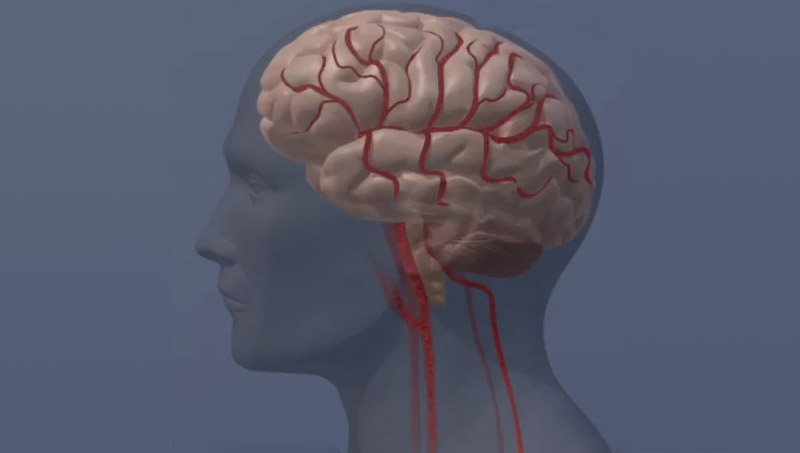
The study suggests that ambulances with the personnel and equipment capable of diagnosing ischemic stroke may be worth the extra cost, due to the decrease in patient disability afterward. (American Heart Association)
American Heart Association reports Sugar-Sweetened Drinks linked to increased Visceral Fat
January 16, 2016
American Heart Association Rapid Access Journal Report
 Dallas, TX – Drinking sugar-sweetened beverages every day was associated with an increase in a particular type of body fat that may affect diabetes and heart disease risk, according to new research in the American Heart Association’s journal Circulation.
Data from the Framingham Heart Study — federally supported, ongoing research that has advanced the understanding of cardiovascular disease — showed that among middle-aged adults, there was a direct correlation between greater sweetened beverage consumption and increased visceral fat.

Drinking sugar-sweetened beverages every day was associated with an increase in a particular type of body fat that may affect diabetes and heart disease risk.. (American Heart Association)
American Heart Association says 3D image may provide better size match for Child Heart Transplants
November 17, 2015
American Heart Association Meeting Report
Orlando, FL – A new 3D computer modeling system may significantly improve a surgeon’s ability to select the best sized donor heart for children receiving heart transplants, according to research presented at the American Heart Association’s Scientific Sessions 2015.
Transplant centers currently assess compatibility of a potential donor heart by comparing the donor weight to the recipient weight and then picking an upper and lower limit based on the size of the patient’s heart on chest X-ray. But the assessment is not precise and variations in size and volume can have a major effect on the recipient’s outcome.

Models of multiple children’s hearts who were born with congenital heart defects, used for surgical planning. (Cardiac 3D Print Lab, Phoenix Children’s Hospital Heart Center)
American Heart Association says Eating more Fruits, Veggies in Youth linked to Healthy Heart decades later
October 28, 2015
American Heart Association Rapid Access Journal Report
Dallas, TX – Eating more fruits and vegetables as a young adult may keep your arteries free of heart disease 20 years later, according to research in the American Heart Association journal Circulation.
Researchers found that eating more fruits and vegetables as young adults was associated with less calcified coronary artery plaque 20 years later. Coronary artery calcium can be measured by a CT scan to detect the presence and amount of atherosclerosis, a disease that hardens arteries and underlies many types of heart disease.

Farmers’ market produce stand showing assorted fruits and vegetables. (American Heart Association)
Consumer Reports Warns Against the Risks of Radiation Overexposure from Unnecessary CT Scans
February 14, 2015
Researchers Estimate at Least Two Percent of All Future Cancers in the U.S. Will Stem from CT Scans Alone – That’s Approximately 29,000 Cases and 15,000 Deaths Per Year
 Yonkers, NY – X-rays have been used for almost 120 years and computed tomography, or CT scans, were introduced in the 1970’s. These newer scans allow doctors to see with unprecedented precision the inner workings of the human body through the use of multiple X-ray images. Their use has grown from fewer than 3 million per year in 1980 to more than 80 million today.
CT scans emit a powerful dose of radiation, in some cases equivalent to about 200 chest X-rays, or the amount most people would be exposed to from natural sources over seven years. [Read more]
American Heart Association says Images of Brain after Mild Stroke predict future risk
December 11, 2014
Dallas, TX – A CT scan of the brain within 24 hours of a mild, non-disabling stroke can predict when patients will be at the highest risk of another stroke or when symptoms may worsen, according to new research published in the American Heart Association journal Stroke.
Like stroke, a transient ischemic attack (TIA) is caused by restricted blood supply to the brain. Symptoms may last only a few minutes.
[youtube]https://www.youtube.com/watch?v=uD8h3rEPjzc[/youtube] [Read more]


