


Climate Change may increase Congenital Heart Defects
January 31, 2019
Journal of the American Heart Association Report
 Dallas, TX – Rising temperatures stemming from global climate change may increase the number of infants born with congenital heart defects (CHD) in the United States over the next two decades and may result in as many as 7,000 additional cases over an 11 year-period in eight representative states (Arkansas, Texas, California, Iowa, North Caroline, Georgia, New York and Utah), according to new research in the Journal of the American Heart Association, the Open Access Journal of the American Heart Association/American Stroke Association.

The greatest percentage increases in the number of congenital heart defects are predicted in the Midwest, followed by the Northeast and the South. (American Heart Association)
American Heart Association reports Heart Defects in Infant may predict Heart Problems in Birth Mother later in life
May 10, 2018
Circulation Journal Report
Dallas, TX – Women who give birth to infants with congenital heart defects may have an increased risk of cardiovascular hospitalizations later in life, according to new research in the American Heart Association’s journal Circulation.
The study of more than one million women is the first to show congenital heart defects in newborns may be a marker for an increased risk of their mothers developing heart problems, including heart attack and heart failure, years after pregnancy.

Women who give birth to infants with congenital heart defects may be at increased risk of heart problems including heart attack and heart failure later in life. (American Heart Association)
Survivors of Childhood Heart Defects may have higher risk of Premature Dementia
March 6, 2018
Circulation Journal Report
Dallas, TX – People born with heart defects who survive into adulthood may be at higher risk of developing dementia, particularly dementia that starts before 65 years of age, according to new research in the American Heart Association’s journal Circulation.
With improved newborn and childhood treatments, more people born with heart defects survive into adulthood. A 2016 study published in Circulation estimated that approximately 1.4 million adults are living with congenital heart defects in the United States.

Children born with heart defects are more likely to survive into old age because of improved early treatments, but they may be more likely to develop early-onset dementia than people born without heart defects. (American Heart Association)
American Heart Association says Kids with heart defects face Learning Challenges, Inadequate School Support
February 25, 2017
American Heart Association Rapid Access Journal Report
Dallas, TX – Children with all types of congenital heart defects face learning challenges in elementary school, but many may not be receiving adequate education assistance, according to a new study in Circulation: Cardiovascular Quality and Outcomes, an American Heart Association journal.
Using North Carolina education records, birth defect registries and birth certificates, the new research examined whether congenital heart defects were associated with low scores on standard reading and math tests given at the end of third grade. The research included 2,807 children born with heart defects, and 6,355 without, who completed third grade in public school between 2006 to 2012.
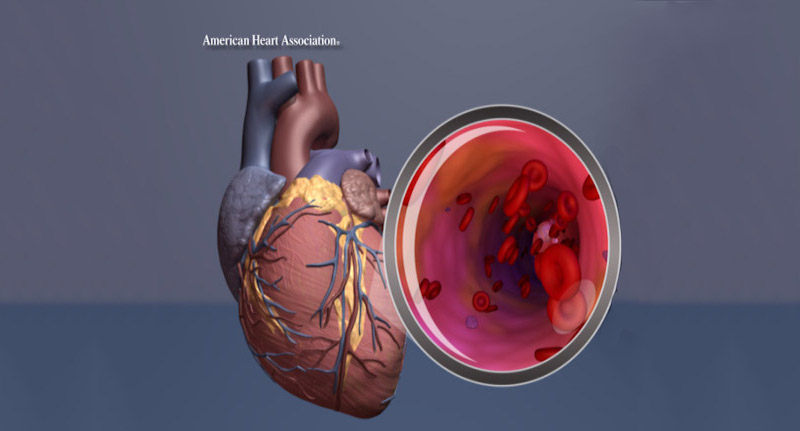
Children with congenital heart defects are less likely to meet minimum standards in third-grade reading and math end-of-year testing than peers. (American Heart Association)
American Heart Association says Parents of Children with serious Heart Defects may be at risk of PTSD
February 3, 2017
American Heart Association Rapid Access Journal Report
Dallas, TX – Parents of children with “critical” congenital heart defects – which require at least one cardiac surgery – are at high risk for mental health problems, particularly post-traumatic stress disorder (PTSD), anxiety and depression, according to research in Journal of the American Heart Association, the Open Access Journal of the American Heart Association/American Stroke Association.
Health professionals know that mental health issues in parents can lead to long-term cognitive, health and behavioral troubles in their children. Researchers reviewed published data from 10 countries.

Dr. Sarah Woolf-King, Ph.D., M.P.H. plays with two-year-old son Charlie in 2014. (Gayle Photography)
American Heart Association reports Folic Acid Fortified Food linked to decline in Congenital Heart Defects
August 31, 2016
American Heart Association Rapid Access Journal Report
Dallas, TX – Food fortified with folic acid, a B vitamin required in human diets for numerous biological functions, was associated with reduced rates of congenital heart defects, according to new research in the American Heart Association’s journal Circulation.
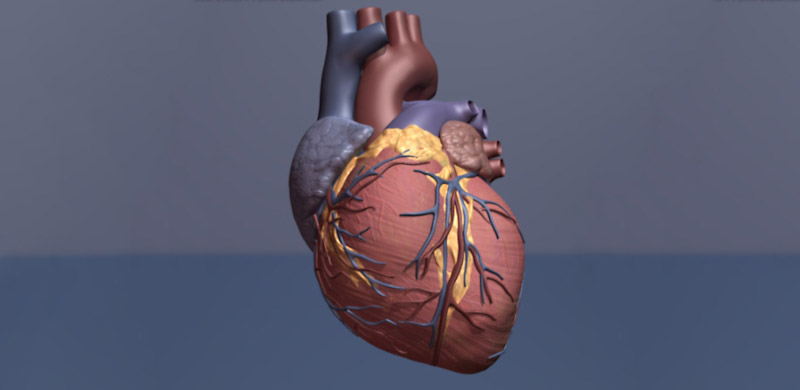
Food fortified with folic acid helped lower overall rates of congenital heart defects in Canada. The effect was evident in some types of congenital heart defects but not all. (American Heart Association)
American Heart Association reports an increasing number of U.S. Adults living with Congenital Heart Defects
July 6, 2016
American Heart Association Journal Report
Dallas, TX – More adults are living with congenital heart defects in the United States, creating the need for more health services and tracking systems to collect data across all ages, not just at birth, according to new research in the American Heart Association’s journal Circulation.
Congenital heart defects are structural problems with the heart present at birth. They are diagnosed in eight to 10 per 1,000 live births in the United States and are the most common type of birth defect, according to researchers.
More adults are living with congenital heart defects in the United States, creating the need for specialized health services and systems that track this medical condition across all ages. (American Heart Association)


